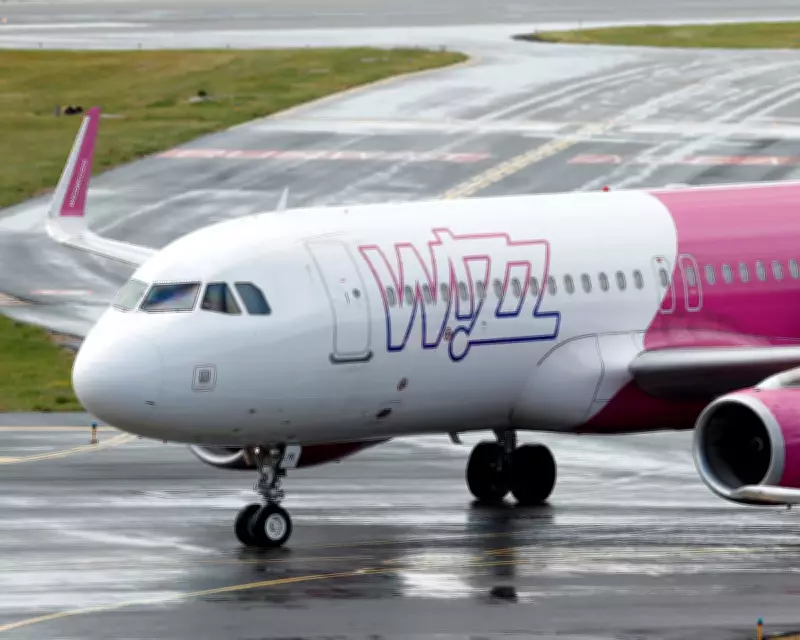
Wizz Air, the prominent low-cost airline, has issued a significant profits warning, attributing the financial setback to the ongoing crisis in the Middle East and related economic factors. The company announced that travel disruptions, elevated oil prices, and the depreciation of the euro, all stemming from the Iran conflict, are expected to reduce its profits by approximately €50 million for the current financial year.
Financial Impact and Revised Forecasts
Previously, Wizz Air had projected that its earnings would range between a profit of €25 million and a loss of €25 million. However, with this new warning, the airline now anticipates a loss for the year, marking a stark reversal from its earlier optimistic outlook. This adjustment reflects the severe challenges posed by the geopolitical tensions and their ripple effects on global markets.
Detailed Breakdown of Factors
In a statement to the City, Wizz Air provided a detailed explanation of the expected impact. Approximately one-third of the €50 million loss is attributed to the cessation of certain scheduled services to the Middle East, directly resulting from the conflict. The remaining two-thirds stem from adverse movements in macroeconomic factors, specifically the rise in jet fuel prices and fluctuations in the US dollar to euro exchange rate.

The company based its assessment on current jet fuel and currency rates, assuming these levels will persist for the remainder of Fiscal Year 2026. This assumption underscores the uncertainty surrounding the duration and intensity of the Middle East crisis, which continues to influence global economic stability.
Broader Implications for the Airline Industry
This profits warning highlights the vulnerability of the airline sector to geopolitical events and economic volatility. Wizz Air's situation serves as a cautionary tale for other carriers, emphasizing how external shocks can swiftly derail financial performance. The combination of operational disruptions and cost pressures from fuel and currency markets poses a dual threat that requires agile management and strategic planning.
As the crisis unfolds, stakeholders, including investors and passengers, will be closely monitoring Wizz Air's response and the broader industry's resilience. The airline's ability to navigate these turbulent times will be critical in determining its long-term viability and competitive position in the low-cost travel market.