Former British Airways Cabin Crew Issues Warning on Black Socks During Flights
In the world of air travel, passengers often hear about quirky tips, from packing tennis balls in carry-ons to avoiding alcohol from the drinks trolley. Now, a surprising new advisory has emerged from a seasoned aviation professional. Kris Major, a former British Airways cabin crew member with over 17 years of experience, is urging travelers to reconsider their sock choices, specifically advising against wearing black socks on planes.
The Hidden Dangers of Dark Footwear in Aircraft Cabins
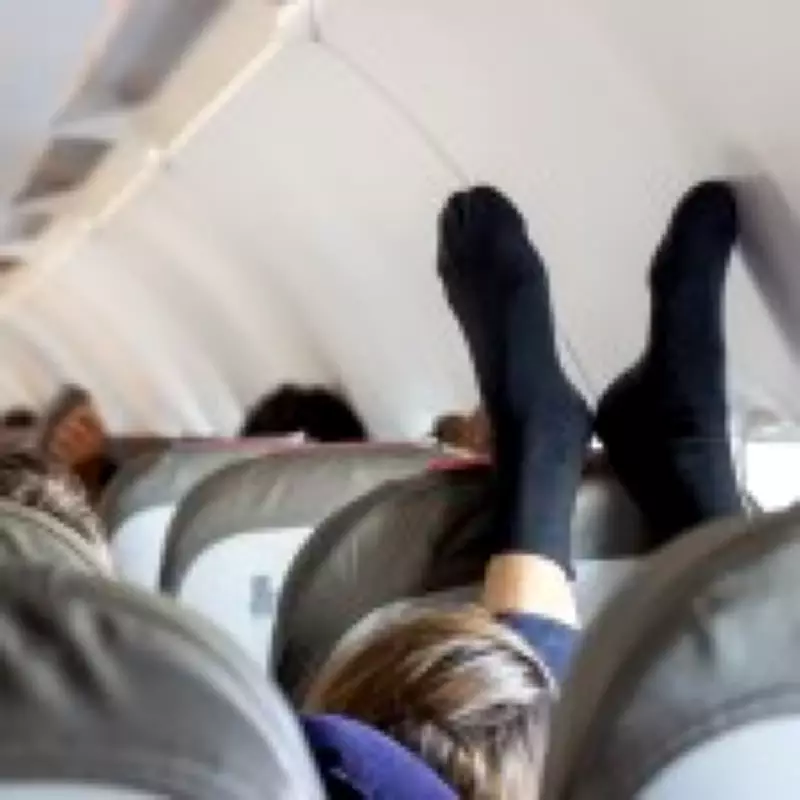
Kris Major highlights that black socks can become a significant nuisance and safety risk during flights, particularly on overnight journeys. He explains, 'On a night flight, cabin lighting is low, and dark socks blend into the shadows. The trouble starts when passengers stretch out and let their feet drift into the aisle. In those conditions, crew may not spot your feet until the last second.' This lack of visibility can lead to crew members tripping over passengers' feet, disrupting the cabin's peace and startling sleeping travelers awake.
It's not about fashion. It's about visibility, Major emphasizes. 'In a narrow aisle, the crew are moving quickly, sometimes carrying hot drinks, and often working around bags, elbows, and half-asleep travelers. Anything that's hard to see at floor level is an accident waiting to happen.' Beyond inconveniencing others, wearing black socks could also result in personal injury, such as toes being run over by the food and drinks trolley.

The Rise of Compression Socks as a Safer Alternative
While black socks are discouraged, another type of sock is gaining popularity among flyers. Searches for 'compression socks for flying' have surged by 140% in the past month, according to AI SEO data. Social media platforms like TikTok have amplified this trend, with videos showcasing compression socks amassing millions of views and hundreds of thousands of likes.
This shift is driven by growing awareness of health risks associated with long-haul flights, particularly deep vein thrombosis (DVT). The American Society of Haematology warns that immobility during air travel, often in cramped spaces, can lead to blood clots in the legs. The risk increases with flight duration, with journeys lasting eight to ten hours or more posing the greatest threat.
Understanding Deep Vein Thrombosis and Prevention Measures
DVT involves blood clots forming in veins, typically in the legs, and can be dangerous if untreated. Symptoms include throbbing pain, swelling, warm skin, and redness in one leg. Those most at risk include individuals over 60, smokers, overweight people, and those on certain medications or with medical conditions like cancer or heart failure.
According to the NHS, travel-related DVT was first documented in 1954 and has been linked to long-haul flights in economy class, earning the nickname 'economy class syndrome.' Studies show that wearing compression socks during flights of four hours or more can significantly reduce the risk of DVT and leg swelling. These socks apply pressure to the ankles to promote blood flow, offering a practical solution for health-conscious travelers.
In summary, while black socks may seem like a minor fashion choice, they pose real safety hazards in the unique environment of an aircraft cabin. By opting for visible footwear or health-beneficial options like compression socks, passengers can contribute to a safer and more comfortable journey for everyone on board.