Spitfire Revival: Iconic WWII Plane Could Return to Production
A group of enthusiasts and engineers is working to revive one of Britain's most iconic war aircraft, the Supermarine Spitfire, nearly 90 years after its first flight. During the Battle of Britain, German commander Adolf Galland famously told Hermann Goering that he would like an outfit of Spitfires for his squadron, highlighting the plane's exceptional reputation.
New Model Unveiled
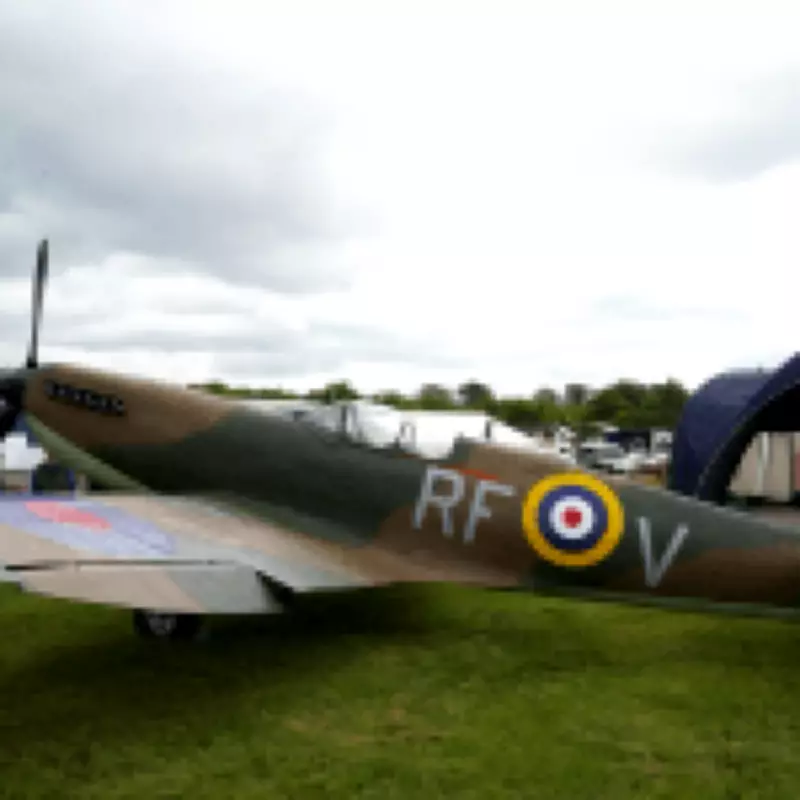
Designers have drafted a new model called the Aerolite Spitfire Type 433, which uses wartime plans but replaces traditional aluminium with a composite material known as Gordon Aerolite. This material offers weather-resistant properties, eliminating the need for hangar storage. The prototype has been built for £750,000, significantly less than the £3 million required to acquire a classic Spitfire. Only a dozen of the original two-seater aircraft remain operational.
Public Display and Future Plans
The new model was unveiled in Bodmin, Cornwall, and will tour 10 air shows, military festivals, and motor festivals this summer. The project's backers aim to have the model flying within two and a half years. Jeremy Meeson, CEO of Great British Supermarine Ltd, stated: 'The moment is right to reimagine the Supermarine Spitfire because today's materials, propulsion, and digital engineering finally let us evolve an icon without losing what made it exceptional.'

Meeson added: 'This design stays true to its 1940s lineage – lightweight performance, balance, and pilot connection – while introducing advanced composites, modern power systems, and intelligent avionics. Just as the original Spitfire pushed the limits of its time, this one does the same.' He noted significant interest from UK and international buyers and investors.
Historical Significance
The original Spitfire became a defining symbol of World War II, playing a crucial role in the Battle of Britain. David Spencer Evans, former chairman of the Spitfire Society and the Spitfire Heritage Trust, said the new project would 'continue the Spitfire story' and described the original as a 'wonderful machine.' He remarked: 'Every red-blooded Brit has some affection for the Spitfire. It's something beautiful.' However, he acknowledged the financial challenges: 'We are looking at a number of air shows this year to gauge interest and invite potential investors because it's going to be an expensive business getting the prototype flying.'