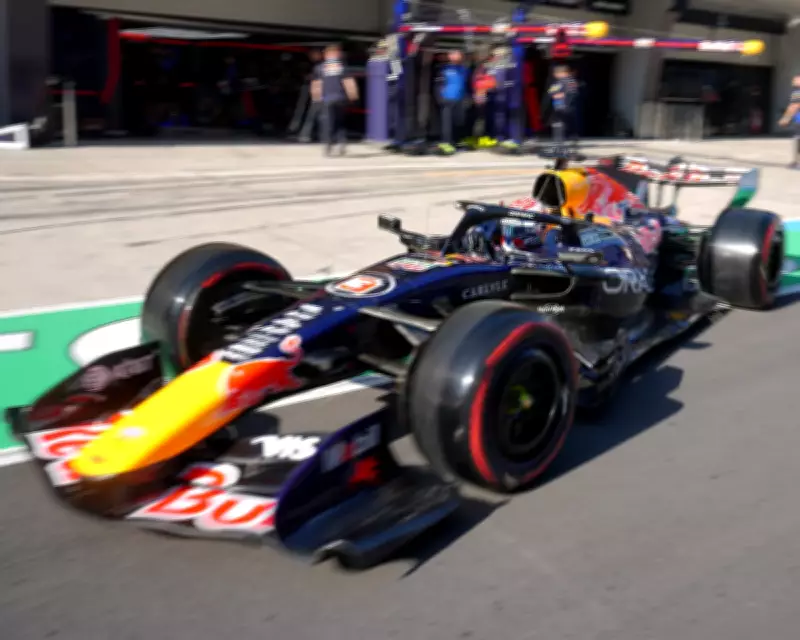
Max Verstappen is unhappy with the new rules in F1, but his team are confident in the new engines they have built for this season. The development of Red Bull’s in-house engine project has been exceptional, even by Formula One’s own standards. Walking through the gleaming corridors of the team’s bespoke engine manufacturing department at their Milton Keynes headquarters, it is hard to believe that only four years ago the area was empty space peppered with rubble.
A Bold Decision Pays Off
The decision to build their own engines rather than buying customer units ranks among the boldest steps Red Bull have ever undertaken. When the project began in 2022 under team principal Christian Horner, it was a step into the unknown with no guarantee of success. However, it promised to make the team entirely the master of every aspect of their cars, an advantage that cannot be overstated. The design of engine and chassis can now play to each other’s strengths rather than a chassis being built around a customer engine.
Overcoming Skepticism
The venture was greeted with skepticism, with some anticipating failure or a long learning curve. Team principal Laurent Mekies acknowledges that the “ghost” of doubt haunted the project. After all, experienced manufacturers like Renault and Honda had struggled under new regulations, and Red Bull was coming at it as a startup. However, Mekies observes that they understood the risks and rewards. “As much as it was a crazy decision, a crazy investment, now it puts us into an incredible situation for the next five to 10 years,” he says. “The power unit decision four years ago puts you in a position of being completely independent, with the support of Ford.”
Remarkable Performance
Mekies acknowledges that this season Mercedes has a two-to-three tenths advantage over Red Bull from the engine. That Red Bull are so close at their first attempt is remarkable. They have been off the pace of Mercedes, Ferrari, and McLaren in the opening rounds, but the real deficit is in the chassis. In terms of harnessing horsepower, Red Bull have hit the ground running. Ben Hodgkinson, technical director of Red Bull Ford Powertrain, who was headhunted from Mercedes, describes the project as bold and audacious. He has built a team of 700 people, taking on 25 personnel a month initially, and continues to recruit strongly.
A Technological Marvel
From a barren patch of ground, Hodgkinson built a unique facility from scratch. The engine dynos are housed in large, imported pre-built steel units chosen for speed. The assembly rooms are pristine and quiet, with an atmosphere of precise perfectionism. Potential contaminations are taken seriously; parts are unboxed in a separate room and cleaned before entry. The same attention to detail applies in the disassembly area, where engines are analyzed to prevent future failures. There is a room for cleaning crank shafts and another for oil analysis to identify wear.
Looking Ahead
For all Red Bull’s current challenges, including Verstappen’s dissatisfaction with the new rules and a recalcitrant car, the engine has proved an undoubted success. “It has clearly exceeded expectations,” says Mekies. “We were gearing up from a much further away starting point. Now the ghost of the power unit has disappeared. We have our own issues. We need to get these tenths back, we need to fix the car. This, we know how to do. It’s going to happen, not in Miami, but it’s going to happen.”