Captains Bear Ultimate Responsibility in Airspace Crises
Captains piloting passenger planes with hundreds of people on board hold the ultimate responsibility for deciding how to respond when faced with sudden disruptions, such as those caused by military conflicts. This week, as missiles pierced the skies over the Middle East, pilots' regimented routes were thrown into chaos, forcing them to make critical decisions under immense pressure.
Veteran Pilot Insights on High-Stakes Scenarios
Keith Tonkin, a veteran Australian pilot who has flown a Boeing 747 towards airspace where missiles were being fired, emphasizes the gravity of such situations. "You're stuck in that airplane until you land safely," he says, highlighting the isolation and responsibility pilots face. Tonkin recalls an incident in the early 2000s when India unexpectedly fired missiles in his flight path from Rome to Singapore, forcing him to recalculate his route. "The first thing is: Where are we? And how much fuel have we got and where do we need to go?" he explains, noting that crises without warning often leave pilots to rely on their own judgment, even with computer readouts and airline operations centers on speed dial.
Diversion Dilemmas and Airspace Congestion
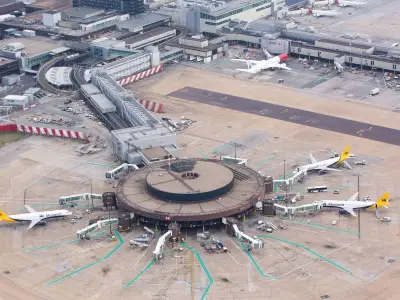
On Saturday, airspace closures across the Middle East, following US and Israeli airstrikes and Iranian retaliation, led to mass disruptions. Planes were diverted to the nearest available airports, creating unprecedented congestion. Steve Cornell, vice-president of the Australian and International Pilots Association, reports that some airliners with low fuel were forced to land even without clearance from air traffic controllers. "Their only option was to land, whether they were going to be cleared to do so or not," he says. This congestion forced pilots into narrowing air corridors, with fewer options for maneuverability in case of emergencies.

- Pilots closer to conflict zones, such as Dubai or Doha, had limited diversion options.
- Those further away, like an Emirates flight from Auckland, could plan to turn back, as it did after eight hours in the air.
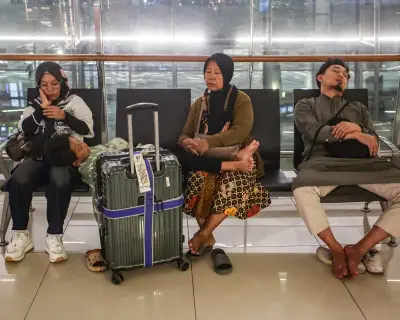
- Diversions can lead to additional problems, including airport overcrowding and passenger delays in unfamiliar immigration systems.
Teamwork and Communication Under Pressure
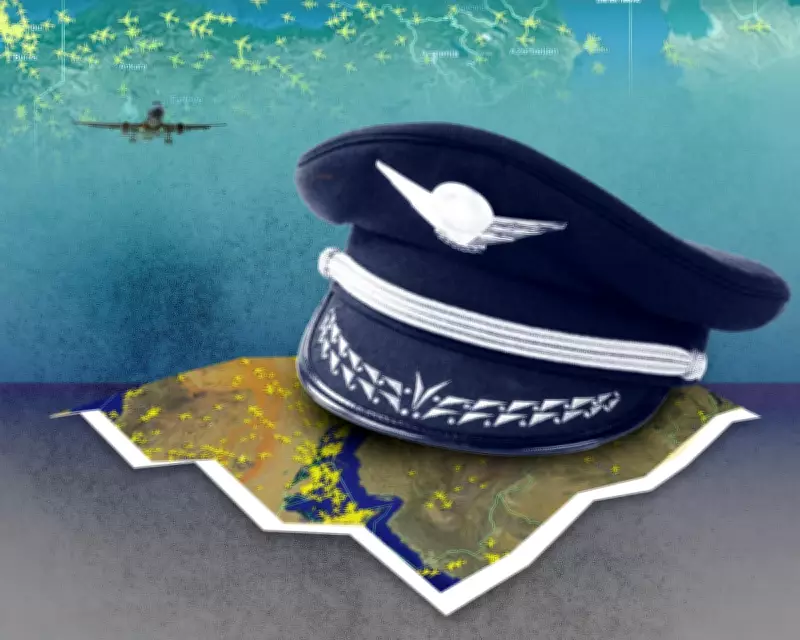
Calm teamwork between captains and first officers is crucial during such crises. Christopher Docherty, a first officer whose plane was shot six times while approaching Haiti in 2024, credits successful outcomes to collaborative decision-making. "The fact that we had two pilots in this cockpit on this day was why this flight was successful," he says. Pilots must also communicate effectively with air traffic controllers, who face increased challenges in managing overstuffed air routes. Dr. Tony Stanton, consultant director of Strategic Air, notes that air traffic maps show planes squeezed into key paths around Iran, creating delays worldwide.
Passenger Considerations and Airline Support
Pilots must balance informing passengers about military actions without causing unnecessary alarm. Stanton advises, "You don't want to scare the crap out of people. You've got to ask yourself: do people need to know?" In one instance, an American Airlines captain openly announced a return to Philadelphia due to airspace closures, which a passenger described as straightforward. Airlines provide strong support through contingency plans, satellite phone advisories, and pre-programmed alternate routes, ensuring that pilots are well-equipped to handle such scenarios. Stanton reassures, "If you're flying with a major airline, you could rest assured that there's a whole lot of work that's been done in the background to ensure the safety of that flight."