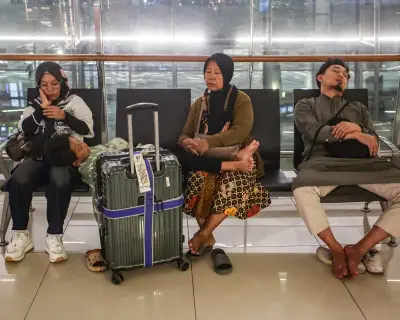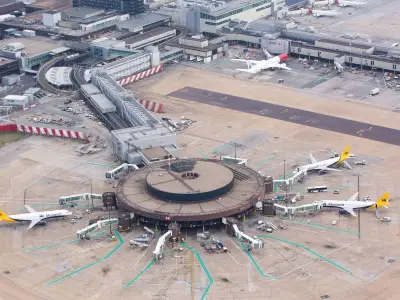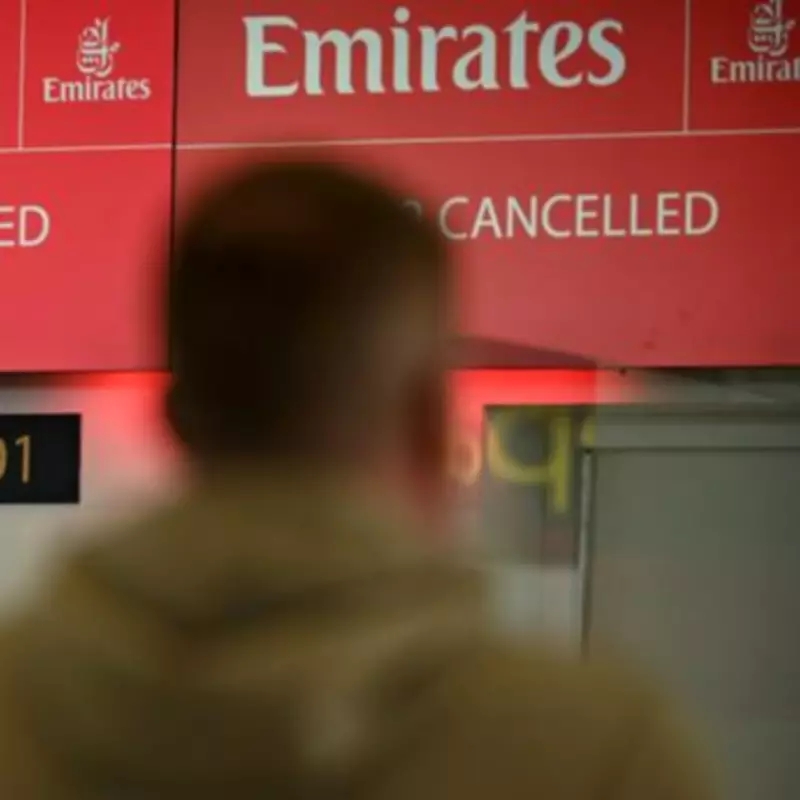
Thousands of British nationals stranded in the Middle East are set to return to the United Kingdom today, Wednesday, March 4, as major airlines significantly increase their flight operations from the region to London airports. This development comes after days of widespread cancellations and disruptions caused by airspace closures amid ongoing geopolitical tensions.
Increased Flight Schedules from Key Hubs
Emirates is leading the charge with seven scheduled flights from Dubai to various destinations across the UK, providing a crucial lifeline for travelers. Similarly, Etihad Airways is operating two departures from Abu Dhabi, while Virgin Atlantic has confirmed a flight from Dubai directly to Heathrow Airport. British Airways, although not resuming its regular services from the area, will execute an evacuation flight from Muscat, the capital of Oman, to Heathrow—a route it does not typically serve.
Government and Commercial Repatriation Efforts
The UK Government has organized a charter flight scheduled to depart from Muscat at 7 PM GMT to repatriate British citizens. However, reports indicate that there will be no large-scale evacuation for the approximately 130,000 British nationals who have registered their presence in the Middle East. Consequently, the majority of stranded individuals must rely on securing seats on commercial flights operated by airlines like Emirates and Etihad.

In Ireland, flight resumptions are also underway, with Emirates operating a service from Dubai to Dublin. The Irish Government estimates that between 22,000 and 23,000 Irish citizens are currently in the Middle East region, highlighting the broad impact of the travel disruptions.
Geopolitical Context and Travel Disruptions
The conflict between Iran and the United States, along with its allies, has led to extensive airspace closures across the Middle East, causing significant disruptions to air travel. Key hubs such as Dubai, Doha, and Abu Dhabi, which collectively handle around half a million passengers daily and serve as vital connectors between Europe and continents like Asia and Australia, have been particularly affected. Aviation experts warn that it could take several weeks to clear the backlog of stranded passengers and restore normal flight schedules.
Political Repercussions and Defense Measures
Amidst the travel chaos, political tensions have escalated, with US President Donald Trump criticizing UK Prime Minister Sir Keir Starmer over the extent of British support in the conflict. Despite this, Downing Street has reaffirmed that the US remains a staunch ally. Sir Keir has agreed to allow the use of British military bases, such as Diego Garcia and RAF Fairford, for defensive strikes by the US, aiming to protect allied nations from Iranian missile threats.
In response to security concerns, the Royal Navy is preparing HMS Dragon, a Type 45 air defense destroyer, to deploy to the Mediterranean to defend Cyprus after RAF Akrotiri was targeted by a drone. The warship will be accompanied by two Wildcat helicopters equipped with Martlet missiles, designed to counter drone threats.
Economic and Logistical Challenges
The disruption has posed severe economic and logistical challenges, affecting not only passenger travel but also cargo and supply chains. Airlines and airports are working tirelessly to manage the increased demand for repatriation flights, while governments coordinate efforts to ensure the safety and return of their citizens. The situation underscores the fragility of global aviation networks in times of geopolitical instability.
As flights gradually resume, travelers are advised to stay updated with airline announcements and government travel advisories. The ongoing efforts by airlines and authorities aim to mitigate the impact and facilitate the safe return of all affected individuals.