Summer Travel Chaos Looms as Fuel Shortages and Border Delays Threaten European Holidays
Holiday flights to Europe have continued to grow despite persistent long airport queues, but summer 2026 is poised to introduce fresh anxieties for travelers. Passengers now face the dual risk of flight cancellations due to fuel shortages and extended border delays from the European Union's new entry-exit system, raising critical questions about travel rights and planning.
Fuel Supply Uncertainties and Potential Flight Disruptions
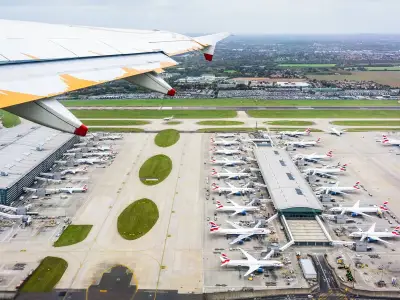
Legacies of Brexit have already resulted in longer border checks for British and most non-EU nationals entering much of Europe. Compounding this, the US-Israel war on Iran has sparked fears that airlines may not secure enough fuel for all scheduled flights. While some carriers, like easyJet, assert there are no immediate concerns about jet fuel shortages, others warn of potential cancellations by late summer if the Strait of Hormuz does not fully reopen. This vital waterway typically handles a fifth of global oil and gas exports, and its closure could severely impact fuel availability.
Forecasts for fuel supply remain highly dependent on the unfolding conflict, the persistence of a fragile ceasefire, and the unimpeded flow of shipments from the Gulf. The International Energy Agency has issued stark warnings, indicating that Europe has only six weeks' supply of jet fuel left before shortages begin to affect operations. Fatih Birol, the executive director of the IEA, emphasized that flight cancellations could occur soon if oil supplies from the Middle East are not restarted within weeks. Although hopes were briefly revived after Iran's foreign minister announced the Strait of Hormuz would remain open during a ceasefire, the situation remains precarious, with oil prices fluctuating based on geopolitical developments.

Airlines' Responses and Contingency Measures
Airlines have so far maintained that fuel supplies remain unaffected, though the soaring cost of fuel is likely to lead to more expensive travel. According to Airlines UK, British carriers are not currently experiencing disruption to jet fuel supply, partly due to diverse sourcing. However, in a sign of underlying uncertainty, airlines are lobbying the government for contingency measures, such as relaxing airport slot rules similar to those implemented during the COVID-19 pandemic.
Kenton Jarvis, CEO of easyJet, stated that the industry typically has only three to four weeks of visibility and expressed no concerns for operations through mid-May. In contrast, Michael O'Leary of Ryanair has warned of potential cancellations of up to 10% of late summer flights if shipping does not normalize quickly. Transport analysts, like Andrew Lobbenberg of Barclays, question whether airlines are communicating transparently, suggesting that a blend of forced cuts due to fuel shortages and voluntary reductions in response to high prices may lead to fewer flights overall.
Impact on Passengers and Travel Planning
For passengers, the implications are significant. Airlines are hesitant to dissuade bookings, especially as easyJet reports that customers are booking later in an uncertain climate. Isabelle Gilks, an analyst at Wood Mackenzie, notes that Europe's jet fuel supply system is designed to absorb short-term shocks, but prolonged disruption could result in higher fares and route cuts rather than widespread groundings. Short-haul routes operated by low-cost carriers are particularly vulnerable due to tight profit margins and sensitivity to fuel costs.
John Strickland, an aviation consultant, advises that most travelers can book with confidence, as airlines will implement contingency planning to protect passengers and revenues. However, he cautions against opting for cheaper tickets with smaller airlines, as fuel volatility could be detrimental to weaker carriers. On a practical level, airlines may employ strategies like "tankering"—carrying extra fuel on short-haul flights—to mitigate local shortages, making European destinations a safer bet than some Asian or African routes.

EU Entry-Exit System and Border Delays
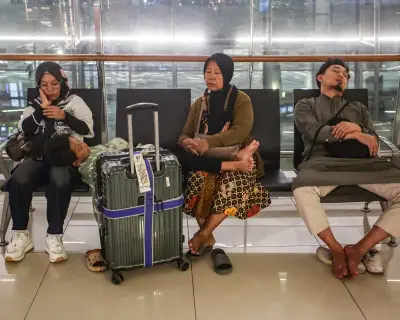
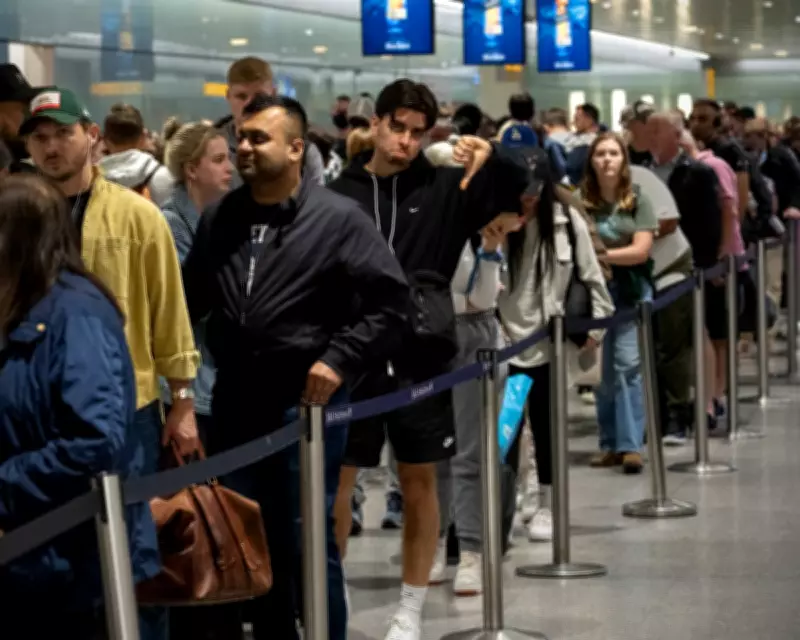
Amid fuel concerns, the EU's new entry-exit system adds another layer of complexity. Intended to enhance border security and efficiency, EES requires biometric data—fingerprints and photographs—from non-EU citizens entering the Schengen area. Despite a phased rollout that began in October, confusion persists, with reports of immigration queues lasting up to three hours at various European airports. For instance, over 100 easyJet passengers were recently stranded in Milan due to delays in passport control.
Travelers from Britain to France face unique challenges, as checks are conducted before departure due to juxtaposed borders. At locations like London St Pancras, Folkestone, and the Port of Dover, kiosks for EES remain inactive pending technical approval, leading to continued wet-stamping of passports. While the system aims to speed up processing after initial registration, current implementation issues mean no bypass queues exist for those who have already submitted biometrics. A European Commission spokesperson acknowledged the need for fixes but emphasized that member states are responsible for ensuring smooth implementation, with flexibility built into the rules to maintain border fluidity during the summer season.
As summer 2026 approaches, holidaymakers must navigate these dual threats of fuel shortages and border delays, underscoring the importance of understanding travel rights and staying informed about evolving developments in the aviation industry.