Passengers traveling from the United Kingdom to France via Eurostar, Eurotunnel's Le Shuttle service, or cross-Channel ferries will not face new biometric checks in the immediate future, despite an approaching deadline for the full implementation of the European Union's Entry-Exit System (EES). This development comes as a relief to many, alleviating fears of significant disruptions during the busy Easter holiday period.
Technological Delays in France
The postponement is primarily due to delays in France's development of the necessary technology to collect and process biometric information. Sources at the Port of Dover and Eurotunnel have confirmed that France has not yet provided the required systems. Consequently, traditional wet-stamping of passports will continue for most passengers at the French border, which is located in England for outgoing cross-Channel train, Shuttle, and ferry travelers.
Limited Implementation for Specific Groups
Only specific groups will undergo the new EES formalities at this time. These include lorry drivers, coach passengers, and ferry foot passengers, who have been subject to checks by French border officials since November. For the majority of Eurostar and Eurotunnel customers, no changes to the current border procedures are expected in the coming weeks.

EU Entry-Exit System Background
The EES was introduced in October as part of a phased launch, arriving years later than originally planned. The system requires biometric information—such as fingerprints and facial IDs—from most non-EU citizens, including British travelers, upon entry into the Schengen area. The official deadline for full implementation is set for April 10, but the rollout has been inconsistent across European borders.
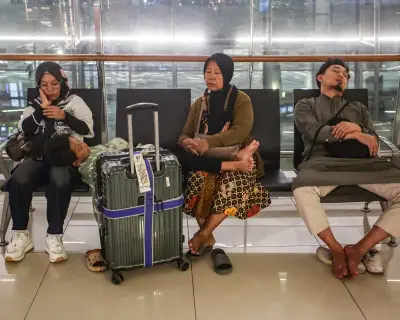
At some airports, including those in Lisbon and Brussels, passengers have experienced delays of several hours as border officials enforce biometric checks. In contrast, other airports have installed the necessary machines but have not yet activated them for use.
Industry Investments and Preparations
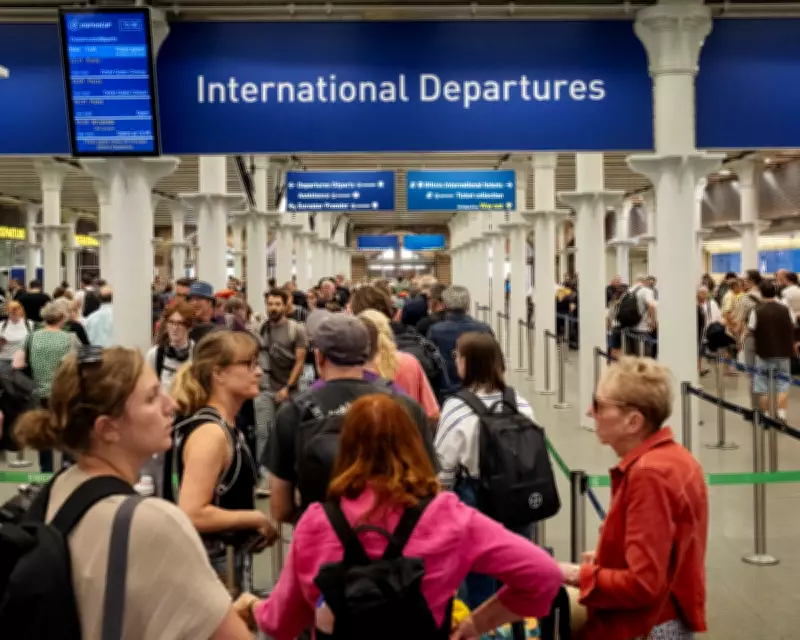
Significant investments have been made by key transport operators in anticipation of the EES. Getlink, the owner of Eurotunnel, has invested at least £60 million in kiosks at Folkestone and Coquelles in France to prepare for the system's launch last autumn. Similarly, Eurostar has spent approximately £10 million on automated kiosks at London St Pancras, though these remain sealed off due to the delays.
The Port of Dover has also undertaken extensive preparations, reshaping road layouts and constructing new structures to accommodate the new border system. A spokesperson for the port emphasized ongoing collaboration with French border agencies to ensure a smooth introduction of EES for tourist passengers, pending resolution of the current technological issues and thorough testing.
Official Statements and Industry Concerns
Eurotunnel has indicated that the EES will take a further operational step on April 10, with French border police beginning the creation of EES files. However, this stage will not involve biometric data collection, and Le Shuttle customers are not expected to notice any changes. Eurostar has added extra lanes at the border and is working closely with French and EU authorities to maintain border fluidity as the rollout progresses.
Despite these assurances, European airlines and airports remain anxious about the potential scaling up of EES during the holiday period. Trade bodies A4E and ACI Europe have issued a joint statement highlighting persistent operational challenges and predicting increasing delays from Easter. They have called on the European Commission to allow full suspension of EES if necessary, arguing that long border queues are becoming the norm and undermining air travel.
Criticism and Calls for Postponement
Michael O'Leary, CEO of Ryanair, has been particularly vocal in his criticism, describing the EES as "a shit show and a shambles" and attributing it to Brexit-related punishments. He reported queues of up to four hours at some airports and urged the EU to postpone the full introduction until October. The European Commission has been approached for comment but has not yet responded to these concerns.

In the meantime, the EU has granted border officials discretion to relax the rules if queues build up, with this flexibility expected to last until at least the end of July. This measure aims to mitigate disruptions as the system continues its uneven rollout across Europe.