Airlines Cancel UK Flights and Add Extra Charges Amid Jet Fuel Crisis
As airlines grapple with an ongoing jet fuel crisis, passengers are facing a double blow: widespread flight cancellations and rising travel costs. Carriers globally are cutting routes and introducing additional fees to manage soaring fuel prices, driven by persistent conflict in the Middle East. The Strait of Hormuz, a critical shipping lane blocked by Iran since February, typically handles up to 75% of plane fuel exports from the Gulf to Europe. With this route disrupted and supplies dwindling, costs have surged from around $85 to $90 per barrel to as high as $200 per barrel in recent weeks.
Understanding the Strait of Hormuz
The Strait of Hormuz is a 60-mile-wide waterway linking the Gulf with the Arabian Sea, making it one of the world's most vital shipping channels. Bordered by Iran to the north and Oman to the south, it facilitates about 20% of global oil and gas traffic during peacetime. Under UN rules, countries control territorial seas up to 13.8 miles from their coastlines, allowing Iran and Oman to defend their waters. The strait's narrowest point spans just 24 miles, enabling Iran to easily monitor and target passing vessels.
Last week, Fatih Birol, head of the International Energy Agency, warned that Europe might have only six weeks of jet fuel remaining, anticipating cancellations extending into the summer months. In response, airlines are adjusting schedules and hiking fares or baggage fees to cope with the shortage.

How Major Airlines Operating in the UK Are Responding
Aegean Airlines announced ticket price increases of 7% to 8% for new bookings, while suspending flights to affected regions like Iraq and Israel until April's end. Aer Lingus dropped over 500 flights, citing mandatory maintenance rather than the fuel crisis. Air France-KLM implemented price adjustments, raising long-haul fares by €50 and short-haul by €10, with KLM cancelling 160 European flights.
Air India expanded fuel surcharges, now $125 for Europe bookings, up from $100. Alaska Airlines, launching UK services in May, increased checked bag fees by $5 to $10. American Airlines hiked baggage fees for domestic flights but not UK routes. British Airways owner IAG stated no immediate price hikes but adjusted schedules due to uncertainty.
Cathay Pacific plans to cut 2% of passenger flights, with a 34% fuel surcharge increase. China Eastern Airlines raised surcharges for domestic trips only. Delta Air Lines reduced capacity by 3.5% and increased baggage fees by $10. EasyJet reported no supply concerns until mid-May but warned of higher summer prices.
Emirates slashed capacity to 70% of normal, adding surcharges up to $623 for premium cabins. IndiGo introduced fuel charges up to 10,000 rupees for European flights. Jet2 confirmed flights are proceeding as planned but advised passengers to check statuses. JetBlue Airways raised baggage prices, with ticket prices jumping 16% in early April.
Lufthansa cut 20,000 short-haul flights this summer, saving 40,000 tonnes of fuel. Norse Atlantic UK axed its London Gatwick to Los Angeles route due to the crisis. Qantas redeployed capacity to Europe and increased ticket prices. Ryanair guaranteed supply until mid-May but may cancel 5% to 10% of flights if the crisis persists.
Scandinavian Airlines (SAS) cancelled at least 1,000 flights in April, with increased fares. TAP Portugal may reduce operations and raise prices due to low fuel coverage. TUI is monitoring shortages but expects no immediate disruption. Turkish Airlines-SunExpress imposed a €10 fuel surcharge for Turkey-Europe bookings.

United Airlines reduced capacity by 5% and raised baggage fees for North American routes. Virgin Atlantic added surcharges up to £360, with CEO Corneel Koster warning of further increases. WestJet introduced a C$60 fuel surcharge and reduced capacity by up to 5.5%. Wizz Air resolved temporary shortages in Italy and is actively monitoring supply.
What to Do If Your Flights Are Cancelled or Disrupted
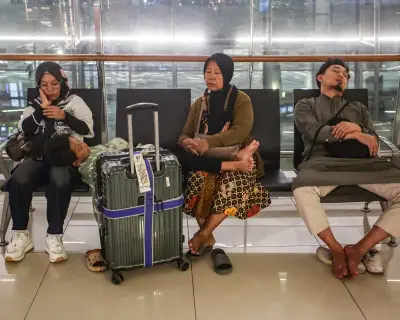
Chris Harrington, managing director of travel firm hoppa, advises contacting the airline immediately if your flight is cancelled. Head to the customer service desk at the airport or use the airline's app or phone line to rebook on alternative flights. Acting quickly is crucial, as seats may be limited. Purchasing travel insurance early can cover costs like hotels and food, especially since cancellations due to fuel shortages are often deemed extraordinary circumstances, limiting airline compensation. Under ABTA guidelines, compensation of up to £520 may apply only if the airline is at fault, which is unlikely in this crisis.