Middle East Air Travel in Chaos Following Iranian Retaliatory Strikes
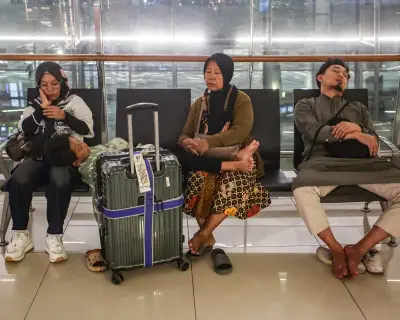
Thousands of travelers find themselves stranded across the globe as major Middle Eastern airports remain closed following retaliatory strikes by Iran. The aviation disruption comes after joint US-Israeli military actions resulted in the death of Iran's Supreme Leader, Ali Khamenei, triggering immediate regional retaliation with ongoing rocket exchanges.
Major Hub Closures Create Global Travel Gridlock
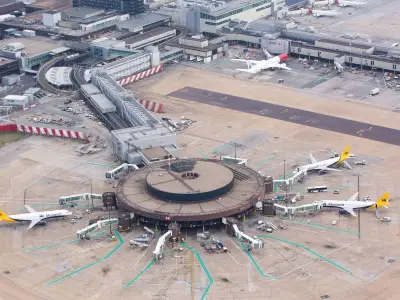
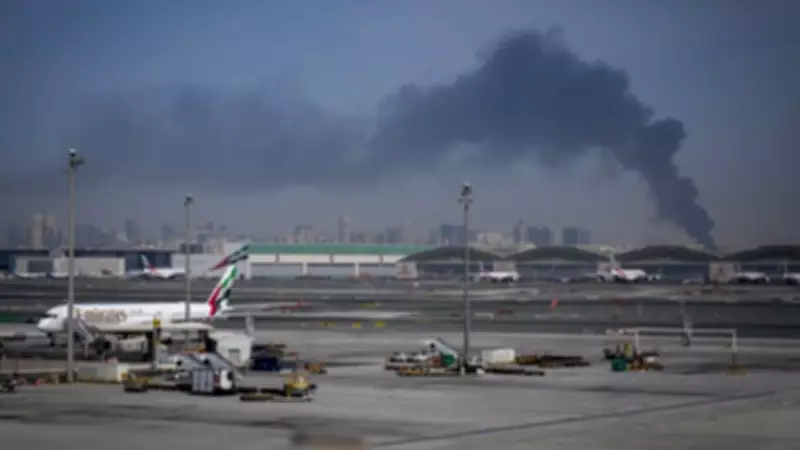
Dubai International Airport, the world's busiest international hub, has been shuttered for a second consecutive day, while Doha's Hamad International Airport, which processed 54 million passengers last year, remains non-operational. The closures extend across seven Middle Eastern nations, including Bahrain, Israel, Jordan, Kuwait, and Saudi Arabia, creating a domino effect of cancellations and delays worldwide.
Flight tracking data reveals staggering numbers: more than 3,400 flights were cancelled on Sunday alone across seven major Middle Eastern airports. Aviation analytics firm Cirium estimates that approximately 90,000 passengers daily rely on Emirates, Etihad, and Qatar Airways services through the affected hubs of Dubai, Abu Dhabi, and Doha.

Passenger Experiences: Fear and Uncertainty
The human impact of the aviation shutdown is profound, with travelers sharing harrowing experiences of being caught mid-journey as airspace closures took effect. Jo Hummel, a 43-year-old from the Isle of Wight traveling with her family from Thailand, described their ordeal when their connecting flight from Doha to London was abruptly cancelled.
"We touched down in Qatar and people were opening their phones to national alerts in Arabic," Hummel recounted. "Everything was getting cancelled. Qatar Airways staff offered us hotel accommodation, but we woke to drones exploding in the sky above us. As a mother, I'm scared out of my wits."
The disruption extends beyond the Middle East, with Bali's I Gusti Ngurah Rai International Airport reporting more than 1,600 stranded tourists after five Middle East-bound flights were cancelled or postponed.
Safety Concerns and Travel Advisories
The security situation remains volatile, with confirmed incidents at multiple aviation facilities. Dubai International Airport reported four injuries, while Abu Dhabi's Zayed International Airport suffered one fatality and seven injuries from a drone strike. An explosion and subsequent fire also occurred near the entrance to Dubai's Fairmont The Palm hotel.
In response to the escalating situation, the UK Foreign Office has issued updated travel advice, warning against all but essential travel to Bahrain, Israel, Palestine, Qatar, and the United Arab Emirates. British nationals in affected regions are encouraged to register their presence with the Foreign, Commonwealth & Development Office for direct updates.
Industry Analysis: Prolonged Disruption Expected
Aviation experts warn that travelers should prepare for extended disruption. "There's no way to sugarcoat this," stated Henry Harteveldt, an analyst with Atmosphere Research Group. "Prepare for delays or cancellations for the next few days as these attacks evolve and hopefully end."
The ripple effects are substantial: airlines that typically traverse the region may implement lengthy rerouting, leading to increased travel times, rising fuel costs, and eventual ticket price increases. Historical precedent suggests potentially prolonged disruption, as previous joint US-Israeli attacks on Iran resulted in twelve days of continued hostilities.
With rocket fire continuing into Sunday and no clear resolution in sight, the global aviation network faces one of its most significant disruptions in recent memory, affecting everything from business travel to family vacations and cargo shipments across multiple continents.