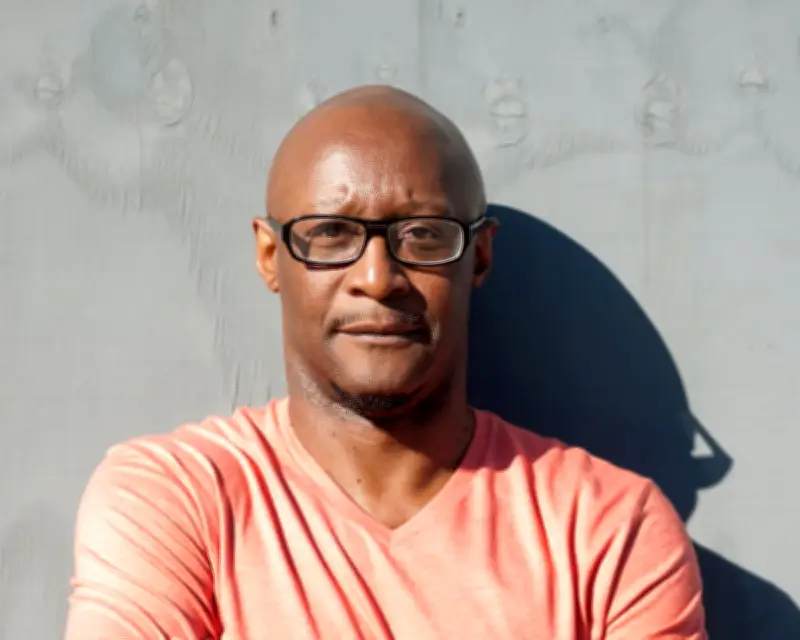
Courttia Newland's new essay collection, The Art of Opposition, serves as a powerful call for artists of colour to assert their autonomy in a creative world dominated by gatekeepers. Drawing on his own experiences as a novelist, screenwriter and playwright, Newland explores the pressures faced by Black artists to conform to commercial expectations, and the importance of creating work that reflects their own truths.
Echoes of a landmark anthology
The collection recalls the impact of Kwesi Owusu's 1988 anthology Storms of the Heart, which gave voice to Black British artists and pushed back against marginalisation. Newland's book provides a similar space for understanding and solidarity, offering erudite, fierce and clear-minded essays that emphasise “the greater goal of saying what we mean”.
Navigating industry expectations
Newland rose to prominence with his debut novel The Scholar, set on a west-London council estate, but found his more experimental, Afrocentric science fiction—like his 2021 novel A River Called Time—met with resistance from a publishing industry that preferred gritty “urban” fiction. In the essay “Unseen Object/Observed Subject”, he addresses criticism of shows like Top Boy as “trauma porn”, arguing that the truth of a depiction should be paramount over external expectations. He recalls an inmate at Wandsworth prison imploring him: “Please don’t stop writing about us” – “a vow I’ve kept ever since”.
Cultural agency and critique
Newland insists that artists of colour must be reviewed by critics who understand their cultural roots, writing: “Artists of colour consistently find our manner of thinking and feeling assailed and denied by how others imagine us, or what they need our art to do for them.” The collection is divided into four sections, covering literary and cultural criticism. It includes an essay on Percival Everett, whom Newland relates to for his experimentation in the face of racial reductionism, noting: “Everett was a writer ignored by the industry because he was not considered Black enough. I’m an author who considers himself ignored by the industry because my work is too Black.” Another piece examines the British rapper Roots Manuva, showcasing Newland's skill as a music critic, while a third criticises the exclusion of writers of colour from discussions of working-class literature, despite a Black British working class existing since the 16th century.
A timely rallying cry
At a time when the arts are under attack and progressive politics is labelled “wokeism”, The Art of Opposition feels especially vital. Newland boldly embraces the artist's role as a force for change and antagonism, writing: “Whenever hate-inspired mainstream culture grows, countercultures quite often take their rightful place to become sites of opposition.” The book is a work of substance and integrity, offering rigorous insights into Black arts and culture, from dub and science fiction to Afrofuturism and African futurism. It will rank among his best.