
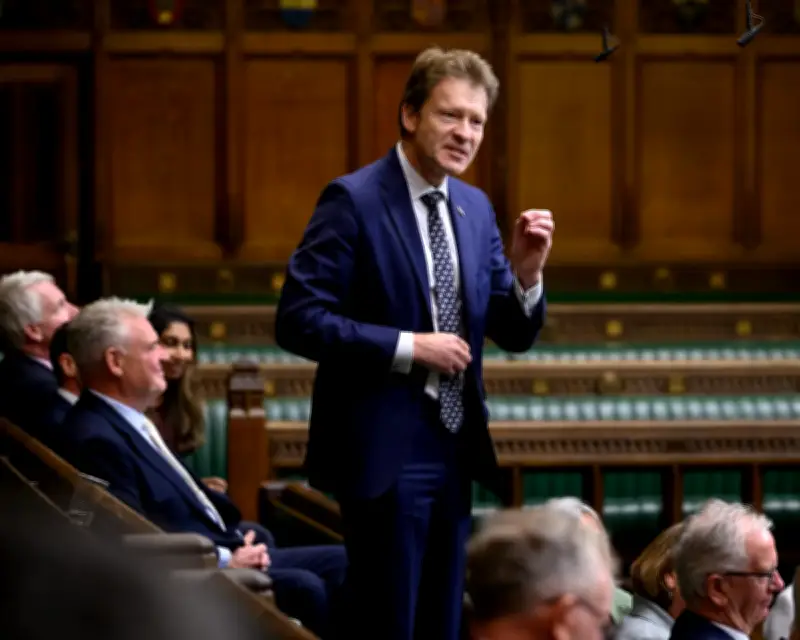
Richard Tice, deputy leader of Reform UK, paid tribute to Ann Widdecombe in the House of Commons on Monday, joining other MPs in honoring the former MP after her murder. The tribute came amid tensions over Reform politicians' actions, which some saw as undermining the police investigation.
Tice Joins MPs in Paying Respects
During a Commons statement by Home Secretary Shabana Mahmood on Widdecombe's death, Tice described her as "a colossus of public life" and "an incredible orator." He had known Widdecombe through the Brexit Party and Reform. Tice appeared to have gauged the mood, refraining from repeating earlier allegations about a media war on Reform, but he questioned whether police had been too quick to rule out a political motive. Police had stated no evidence supported such a motive.
Reform MPs Criticized for Politicizing Death
Earlier on Monday, Tice launched an attack on The Times, calling their journalists "sick" for reporting that Nigel Farage used Widdecombe's murder as propaganda, and insisting they wanted more Reform MPs killed. Meanwhile, Zia Yusuf, a Reform figure, posted on social media that the Commons speaker and government deliberately limited security for Reform MPs. Speaker Lindsay Hoyle denied this, but Yusuf doubled down, calling the speaker a disgrace and accusing efforts to close down speculation of preserving an "establishment narrative."
Police had asked everyone to refrain from speculating about the suspect's motives—a 28-year-old white British man unknown to Prevent, the government's counter-terrorism program. They warned that speculation could jeopardize the investigation.
Speaker Urges Restraint
In the Commons, Hoyle chose not to address Yusuf's allegations directly. Instead, he reminded MPs that speculation on motives might interfere with the police inquiry and urged them to restrict remarks to memories of Widdecombe and general safety of politicians. Most MPs had little personal memory of Widdecombe, who left Parliament in 2010, long before most current MPs took their seats. Many knew her only as a TV personality from Strictly Come Dancing and Celebrity Big Brother.
Mahmood and Philp Set Tone of Decency
Home Secretary Shabana Mahmood delivered a tribute, calling Widdecombe "a woman of forthright opinions" and a "deeply committed Catholic." She quoted Widdecombe: "You only get one go this side of eternity." Mahmood then turned to the investigation, noting the suspect was not a terrorist who had slipped through the net. She affirmed the government's commitment to security for those in public life and offered to meet Farage to discuss additional security measures.
Shadow Home Secretary Chris Philp was "the model of decency," according to observers. He recalled meeting Widdecombe at university—a meeting she likely never remembered—and asked for more information on the investigation, which was not available. He thanked Hoyle for taking MPs' security worries seriously, a firm rebuttal to Yusuf's claims.
Other Tributes and Political Undertones
Diane Abbott paid her respects and listed abuse and death threats she had received, saying she hasn't felt truly safe in a while. Liberal Democrat Max Wilkinson described Widdecombe as an entertainer and raised Yusuf's allegations, assuming they were nonsense. Hoyle confirmed he treats every MP equally and passes all concerns to the Commons security team.
Suella Braverman, Lee Anderson, and Robert Jenrick were more outspoken. After paying respects, Braverman attacked Sky News, the Mail on Sunday, and The Times for "disgusting and deplorable" reporting. Anderson criticized MPs from other parties who called Reform a party of "bigots and racists." Jenrick wondered if the Home Office deliberately refused Farage protection because of who he was. Mahmood assured him security decisions are made independently.
The brief truce in the culture wars sparked by Widdecombe's murder appeared fragile. Observers noted that normal political service would likely resume, with her death becoming politicized regardless.




