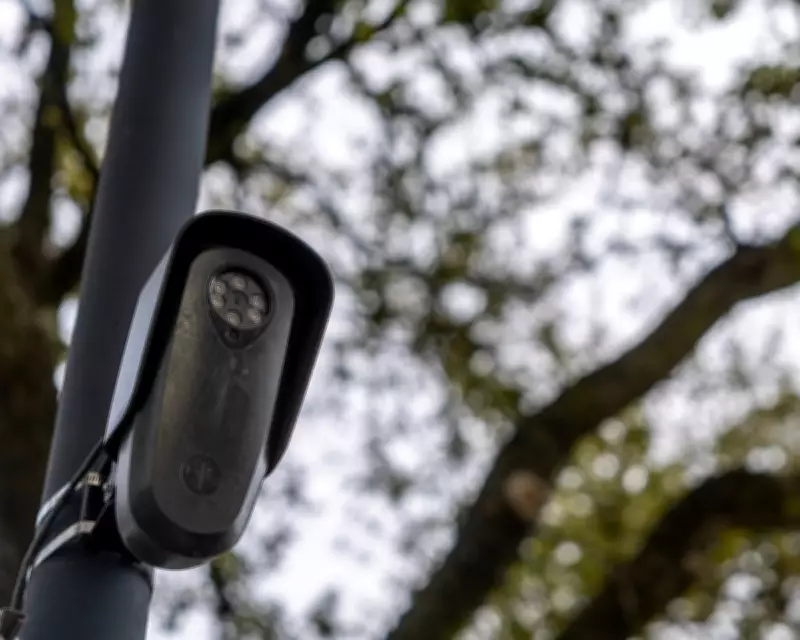
Police are using surveillance technology to stalk romantic interests, according to a new report. The tech company Flock, which operates over 80,000 cameras across the United States, has become a tool for some officers to track ex-partners, current partners, and even strangers. This alarming trend highlights the potential for abuse in large-scale surveillance networks.
Flock's Surveillance Network
Flock's automated license plate readers (ALPRs) capture vehicle data and help law enforcement track movements. While the company claims its technology aids crime prevention, critics warn of privacy violations. An ACLU investigation found that Flock's default agreements allow data sharing with federal and local agencies for investigative purposes. Some police departments have reportedly shared data with ICE during deportation efforts.
Instances of Abuse
The Institute for Justice analyzed media reports and found at least 14 cases where officers accessed ALPR data to monitor romantic interests. Most officers were charged and lost their jobs, but the actual number of incidents may be higher. Only a few cases were discovered through internal investigations; one victim found out by searching their license plate on HaveIbeenflocked.com.

Criticism and Safeguards
Civil liberties groups argue that Flock's system lacks proper oversight. A 2025 EFF analysis revealed police using Flock to surveil activists and protests without warrants. In Texas, a sheriff's office searched data to track a woman suspected of self-managing an abortion. Flock has since added safeguards limiting federal access, but dozens of towns have dropped the company due to privacy concerns.
CEO Garret Langley envisions a crime-free future with surveillance, but critics remain skeptical. Flock's expansion into drones raises further alarms. As one columnist noted, a dystopian future where surveillance is weaponized by authoritarian regimes and tech tycoons is not desirable.