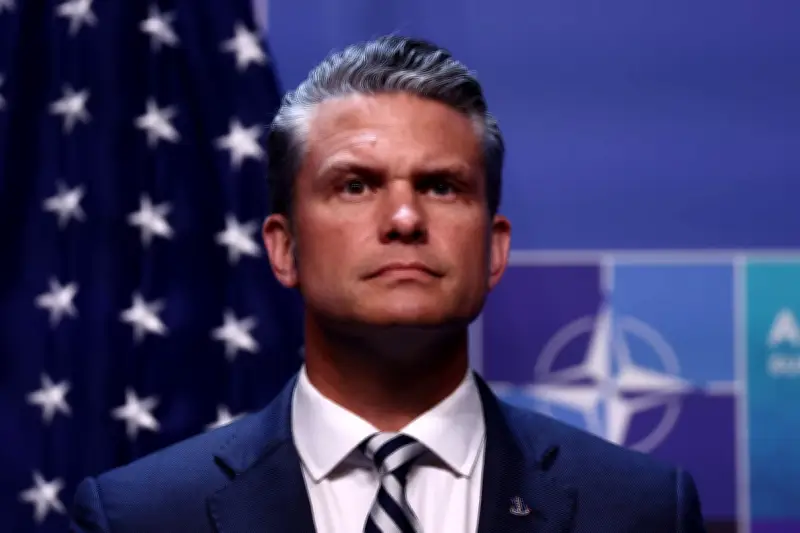
US Defense Secretary Pete Hegseth announced on Monday that the Pentagon and the US Department of Justice have formed a joint taskforce to identify and prosecute unauthorized disclosures of sensitive information to the press. This marks the latest escalation in the Trump administration's efforts to crack down on leaks.
Taskforce Details Announced
In a video posted on X, Hegseth stated that effective immediately, he has delegated tasking authority to the war department's Office of General Counsel (OGC), empowering it to request and receive all information, records, and support across the department concerning media leak investigations. He emphasized that leaked information risks lives and that the new tools and processes will help protect the joint force. “The security of our nation cannot be a bargaining chip for those who seek momentary headlines,” Hegseth said. “Access to confidential and secret information is a sacred trust, and those who betray that trust will be met with the full force of the law.”
Collaboration with DOJ
Hegseth thanked acting US Attorney General Todd Blanche for his assistance, stating he is proud that the departments are working together more closely than ever before. The taskforce announcement follows reports that the Trump administration issued subpoenas to several New York Times journalists over the weekend, seeking to compel testimony before a federal grand jury in Manhattan.
Background of Subpoenas
The New York Times reported on Wednesday that Trump left Turkey on the old Air Force One instead of his new Qatari-gifted aircraft as a security precaution urged by the Secret Service. The following day, the paper reported that the new Air Force One lacked some advanced security features of the older aircraft. Both stories cited anonymous sources. According to the Times, before publishing its first story, a senior FBI official contacted a reporter and senior editor, asking for the article to be withheld on national security grounds but declined to explain the issue. The official also requested that the Times disclose its sources, which the paper refused.
Reactions to Subpoenas
David McCraw, the Times's top newsroom lawyer, condemned the subpoenas, stating that “the appearance of federal law enforcement agents on the doorstep of news reporters should shock the conscience of any American who believes in the Constitution and the press freedom it protects.” A justice department spokesperson told the Times that reporters are not the targets, but those leaking classified information are. The spokesperson added, “We value and appreciate the important role that the press plays in this country, but DOJ also plays an important role to make sure that the people entrusted with our nation's secrets do what they're supposed to do with that information.”
Broader Context
The Washington DC-based National Press Club said the subpoenas “should alarm every American because it threatens the public's constitutional right to an independent press.” The New York Times described the subpoenas as an extraordinary escalation in President Trump's efforts to threaten and intimidate independent news organizations. Earlier this year, the justice department also sought testimony from journalists at the Wall Street Journal and the Washington Post before withdrawing the subpoenas after challenges. In January, federal agents raided the home of a Washington Post reporter as part of an investigation into a government contractor's handling of classified records.