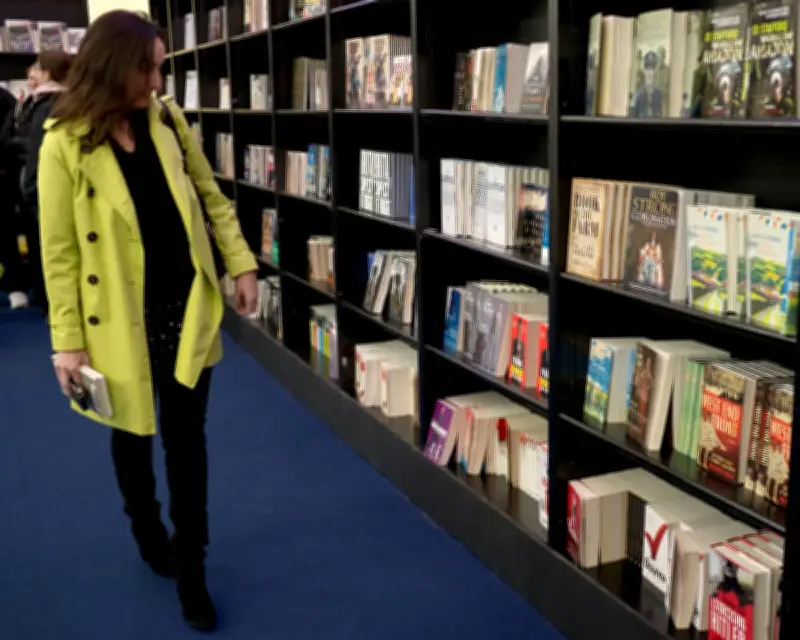
Nine of the 10 bestselling fiction paperbacks in the UK this week share a common theme: a woman is murdered. The novels, featured on the Sunday Times bestseller list, include The Secret of Secrets, The Divorce, The Names, The Family Friend, The Widow, The Impossible Fortune, The Hallmarked Man, My Husband's Wife, and Boleyn Traitor. Only The Correspondent, a novel about letter writing, breaks the pattern.
Author Highlights Trend on Instagram
The trend was highlighted by author Wendy Jones on Instagram, who wrote: "So 84% [sic] of the books people bought and read in the UK this week involved a woman being murdered for entertainment. What is going on here?"
Historical Context of Femicide in Fiction
The concentration of popular novels about femicide is striking but not new. From Daphne du Maurier's gothic suspense to Gillian Flynn's psychological thrillers, the murdered woman has long been a plot device. Flynn's Gone Girl (2012) propelled such novels into a commercially successful genre, with publishers seeking the next "girl" thriller.
Why Does Commercial Fiction Return to This Story?
Critics argue that repeatedly portraying women as victims risks normalizing violence. Yet women are the biggest consumers of this genre. Crime writer Mel McGrath noted that reading crime fiction by women remains a "powerfully feminist act." Laura Wilson, crime writer and critic, said domestic noir reflects "some very real fears," adding that female murder victims are more likely killed by intimate partners, while male victims die at the hands of strangers. Women account for the majority of crime fiction sales, according to industry surveys.
Historical and Psychological Perspectives
Novelist Denise Mina traced the trope to 18th-century broadsheet sellers, who found that manufactured crimes sold copies if the victim was a "pretty young white virtuous woman." However, she resisted reading the appetite as sinister, suggesting readers may want to save such characters. Criminologist Scott Bonn argued that women consume true crime for protection tips and to detect sociopathic red flags. Crime author Lori Rader-Day described the genre as therapeutic: "Crime novels are the social novels of our time... they give our anxiety somewhere to go, safely." She noted that most readers are women, so showcasing a woman's anxiety is effective, but admitted the victim is often a "pretty, thin, blonde or redhead" stand-in for innocence, relying on lingering racism and misogyny.
Debate Within the Genre
The Staunch prize, launched by Bridget Lawless to reward thrillers without violence against women, faced backlash. Val McDermid resented being "lumped together with the crass," while Sarah Hilary called it "the least feminist thing imaginable." Sophie Hannah argued that avoiding brutality misses the point, stating that writing about brutality allows for psychological scrutiny and punishment of harm.