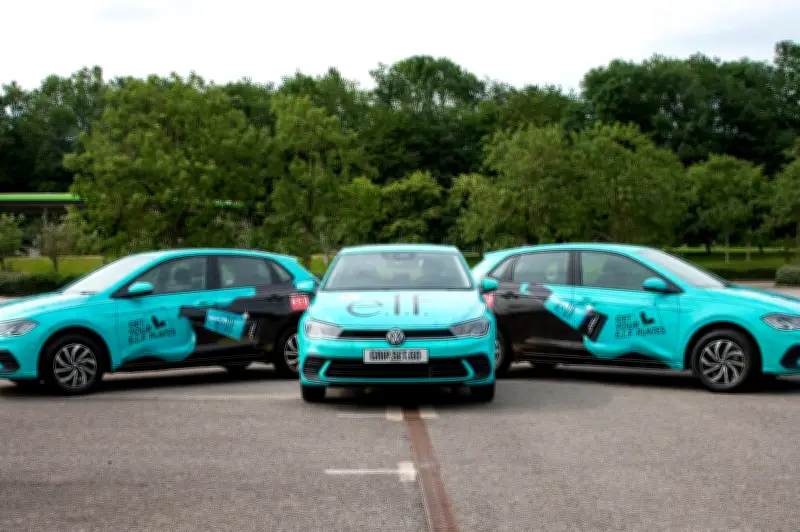
The UK government has unveiled a new initiative offering free driving lessons to young people aged 16 to 24, aiming to enhance road safety and boost employment prospects. The pilot program, set to begin in early 2024, will be rolled out in selected regions across England, Scotland, and Wales.
Details of the Scheme
Under the plan, eligible participants will receive up to 10 free driving lessons from approved instructors. The government has allocated £50 million for the pilot, which is expected to benefit around 20,000 young people. According to Transport Secretary Mark Harper, the scheme is designed to reduce the number of unlicensed and untrained drivers on the road.
“Learning to drive is a key skill that opens doors to jobs and education, but the cost can be a barrier for many young people,” Harper said. “This initiative will help level the playing field and make our roads safer.”
Impact on Road Safety and Employment
Statistics show that young drivers are disproportionately involved in road accidents. The government hopes that formal training will reduce crashes and fatalities. Additionally, having a driving license can significantly increase job opportunities, especially in rural areas with limited public transport.
The pilot will target areas with high unemployment rates and limited access to driving instruction. Participants must be in education, employment, or training to qualify. The government will also provide support for those who need help passing the theory test.
Criticism and Support
The scheme has received mixed reactions. Driving instructor associations have welcomed the funding but expressed concerns about instructor availability. “There is already a shortage of qualified instructors, and this could strain resources,” said a spokesperson for the Driving Instructors Association.
However, youth charities have praised the move. “This is a game-changer for young people who cannot afford lessons,” said a representative from the Prince's Trust. “It will give them a real chance to get ahead.”
The government will review the pilot after one year to assess its effectiveness before deciding on a national rollout.