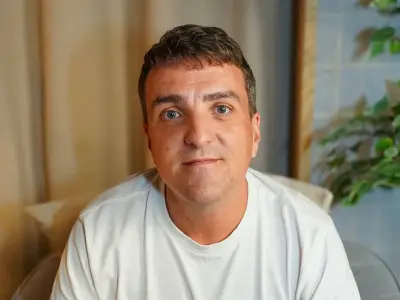
Eleanor Noyce, a lifestyle reporter, challenges the popular narrative that ADHD is a superpower, calling it toxic positivity that ignores the debilitating reality of the condition. After her own diagnosis of combined ADHD in 2021 at age 23, she initially embraced the idea but quickly realized it was unhelpful.
The Superpower Myth
Noyce describes how social media and podcasts often frame ADHD as a gift, but she argues this glosses over daily struggles like chronic lateness, clumsiness, and mental health challenges. She criticizes singer Natalie Imbruglia, who recently called her ADHD and OCD diagnoses a 'superpower' in an interview with The Times, saying such labels misrepresent the condition.
'That version of ADHD doesn't exist for me,' Noyce writes. 'Looking at ADHD like some kind of Marvel origin story is toxic positivity at its finest.'

Diagnosis and Reality
Noyce was diagnosed with combined ADHD, meaning she experiences both hyperactive and inattentive symptoms. She recalls struggling with anxiety and depression for years before the diagnosis, which finally validated her experiences. However, she emphasizes that the condition is not a one-size-fits-all experience and can be genuinely debilitating.
'When I'm crying on my bedroom floor because my room's a mess, I've forgotten to pay a bill, or my mind has been racing so much that sleep has been replaced by insomnia, these positives don't come to me,' she writes.
Stigma and Misunderstanding
Noyce highlights the stigma surrounding ADHD, noting that an estimated 3 million Brits live with the condition. She references a 2023 UCL study showing a twenty-fold increase in ADHD diagnoses between 2000 and 2018, with prescriptions for men aged 18-29 rising almost fifty-fold. However, she stresses that medical misogyny means 50-70% of the 1 million women with ADHD in the UK remain undiagnosed, according to the ADHD Foundation.
She also criticizes media coverage, such as a 2023 BBC investigation into private ADHD clinics, which she says increased stigma. A poll by ADHD UK found that 90% of respondents believed stigma increased after the program aired, and 88% felt it was unfair in its representation.
Call for Understanding
Noyce concludes that the neurodivergent community should abandon the superhero narrative. 'ADHD doesn't need a motivational spin or a cape; it just needs understanding,' she writes. 'To suggest that it's not a completely disabling condition that so many continue to misjudge is, for me, a complete falsehood.'