In response to Polly Hudson's recent article decrying physical contact when greeting friends or strangers, readers have shared their diverse perspectives on the handshake tradition. The debate highlights cultural differences, hygiene concerns, and the evolving nature of social interactions.
Handshake as a Sign of Trust
Priscilla Packer from Les Ponts de Cé, France, disagrees with Hudson, stating that hand contact is an open gesture and a mark of trust. She emphasizes that being human involves connecting with others, even if it means stepping out of one's comfort zone. Packer suggests carrying hand sanitiser as a solution for hygiene worries, but advises discretion.
James Tuson from Hertford understands Hudson's feelings but defends the handshake as a simple greeting that shows appreciation. He notes that women he meets at work and socially prefer handshakes over other greetings, and that initial contact defines the relationship.

Cultural Perspectives
Neil James from Toledo, Spain, criticizes Hudson's aversion to physical contact, calling it a "buttoned up" English attitude. He points out that in many European countries, kissing and hugging are the norm, and in Germany, handshakes are frequent. James happily engages in physical greetings with his multicultural family.
Robert Gallimore from Taunton, Somerset, shares that Welsh Guards officers avoid handshakes, citing a WWII veteran who described it as a "ghastly American custom." This suggests that even within the UK, the practice is not universally accepted.
Alternatives to Handshakes
Martin J Masterman-Lister from Southampton proposed a new handshake during Covid-19 involving pinching fingers above the head, but it hasn't gained popularity. Lynne Jones from Budleigh Salterton, Devon, welcomes the post-tennis racket tap as a hygienic alternative to sweaty handshakes.
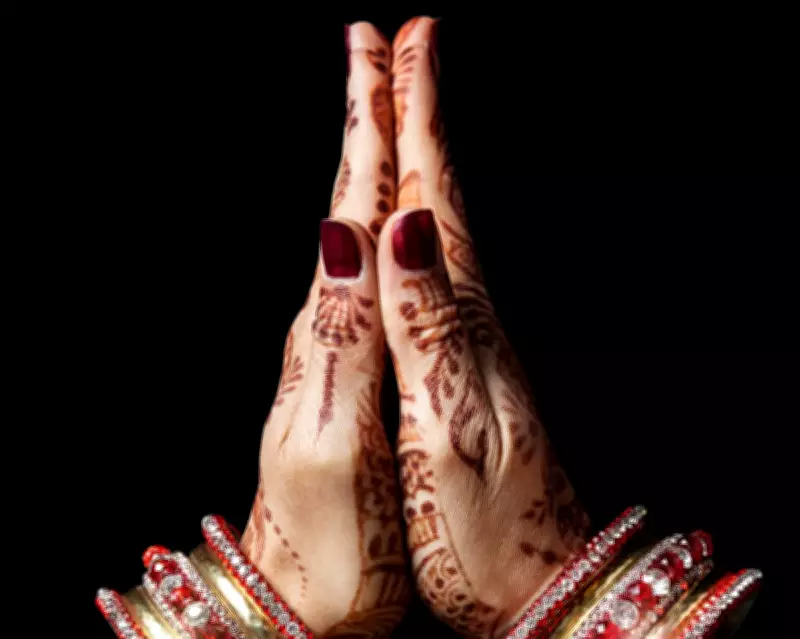
Ratilal Chauhan from Birmingham suggests adopting the Indian-style namaste greeting, which is contactless and historically signified that the person carries no weapon. Jim Sanders from Tvååker, Sweden, proposes the Japanese bow, though he wonders if it might be seen as too deferential.
The letters reflect a broad spectrum of opinions, from staunch defenders of the handshake to those who prefer contactless greetings. As social norms evolve, the debate continues on how best to greet one another while balancing tradition, hygiene, and cultural sensitivity.