AI Companies Target Premier League Shirt Sponsorships as Gambling Era Ends
The Premier League is on the brink of a major sponsorship revolution, with artificial intelligence firms emerging as the frontrunners to replace gambling brands on the front of matchday shirts. From the 2026/27 season, clubs have collectively agreed to remove betting logos from their primary shirt inventory, creating a significant commercial void estimated at approximately £100 million across the league.
The Shift from Gambling to Technology
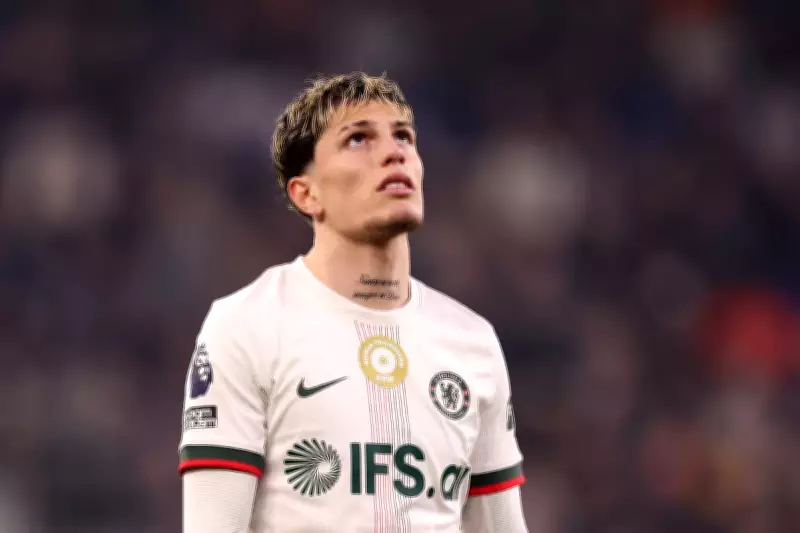
During the 2024/25 season, eleven Premier League clubs prominently featured gambling sponsors on their shirts, representing a substantial revenue stream that will soon disappear. This impending change has opened the door for technology companies, particularly those specializing in AI, to claim this premium advertising space. Chelsea Football Club's recent front-of-shirt agreement with industrial AI company IFS serves as a clear indicator of this emerging trend, signaling a fundamental shift in how football clubs approach commercial partnerships.
While some clubs continue to maintain relationships with betting companies through alternative sponsorship properties—such as Newcastle United's January deal with X8Bet—the front-of-shirt landscape is undergoing a complete transformation. Until government legislation makes such sponsorships illegal entirely, clubs may keep certain betting partnerships alive, but the most visible real estate on matchday kits is now available for new categories of sponsors.

Beyond Traditional Sponsorship: The AI Value Proposition
What distinguishes these emerging AI partnerships from traditional sponsorship arrangements is their fundamentally different value exchange. Whereas betting brands primarily paid for visibility and brand exposure, AI companies are offering digital transformation services in return for their logo placement. The Premier League's existing competition-wide agreements with Microsoft and Adobe exemplify this approach—these are not merely sponsorship deals but strategic partnerships where technology companies help develop comprehensive tech roadmaps for the league and its clubs.
Chelsea's arrangement with IFS operates within this same framework. While it certainly includes valuable shirt inventory, the partnership extends far beyond simple logo placement to encompass operational improvements, data analytics, infrastructure development, and enhanced fan engagement strategies. This represents a significant evolution in sports sponsorship, where rights holders increasingly seek not just revenue but also advanced services and technology that can provide competitive advantages both on and off the pitch.
The Broader B2B Movement in Football Sponsorship
The trend extends beyond AI companies alone, with various management services and B2B organizations entering the sports sponsorship arena. The landscape has shifted from predominantly household-name brands with business-to-consumer (B2C) focus to new entities placing business-to-business (B2B) services at the core of their partnership strategies.
Arsenal's recent collaboration with payroll and HR platform Deel illustrates this development perfectly. Beyond securing sleeve badging rights, the North London club plans to utilize Deel's technology to streamline its workforce operations, demonstrating how modern sponsorship deals can deliver both marketing exposure and operational efficiencies simultaneously.
Marketing Challenges and Formula 1's Blueprint
As AI companies enter football sponsorship, they face the considerable challenge of making complex B2B services compelling to everyday football fans. How can marketers transform AI Software as a Service (SaaS) offerings into brand equity that resonates with supporters in the stands and watching at home?

Formula 1 provides an instructive blueprint for navigating this challenge. The motorsport category has developed such extensive technology partnerships that it has created distinct AI sponsorship categories to appeal to diverse commercial partners while avoiding overlapping interests. With its established history of successful B2B collaborations, Formula 1 demonstrates the creative potential of AI partnerships—recently exemplified by Claude's designation as the sport's "Official Thinking Partner," a model that could easily translate to football sponsorships.
Rights holders must consider not only how to capitalize on digital transformation opportunities but also how to engage fans creatively with these new sponsorship arrangements. For AI brands entering an already crowded sponsorship space, the challenge is particularly acute. All sponsors, whether established household names or emerging B2B players, face the same fundamental question: how to cut through the intense noise of modern sports marketing.
The Future of Football Sponsorship
If AI companies begin to flood football sponsorship to replace departing bookmakers, they will require exceptionally clear strategies to distinguish themselves from competitors. Standout creative work will be essential for breakthrough success—otherwise, how will the average football fan differentiate one AI brand from another in an increasingly saturated market?
The Premier League's sponsorship evolution represents more than just a changing of commercial partners; it signals a fundamental transformation in how football clubs approach business partnerships, with technology and services becoming as valuable as traditional brand exposure. As the 2026/27 season approaches, the race to fill the £100 million sponsorship gap will likely accelerate, with AI companies positioned at the forefront of this new era in football commercial strategy.