The Unspoken Truth About UK Commuter Behavior
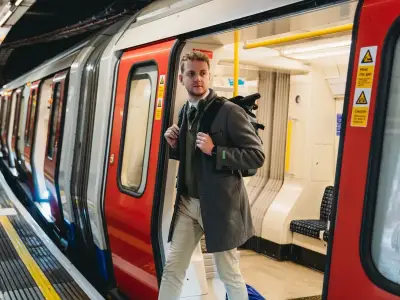
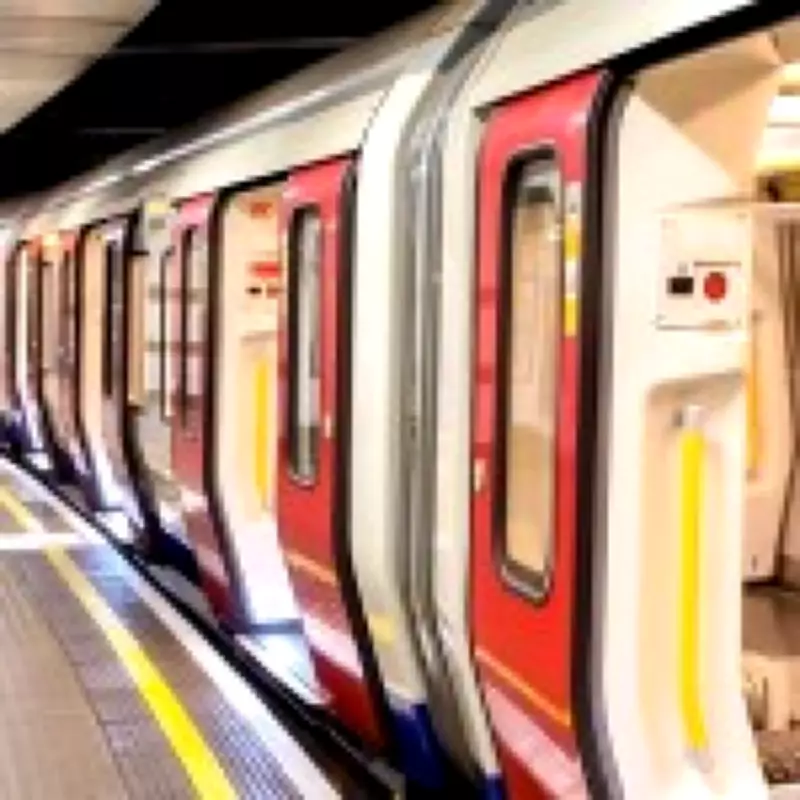
While a significant 25% of British citizens have witnessed individuals becoming trapped in train doors during rush hour, a mere 5% openly admit to performing the perilous last-minute dash themselves. This striking discrepancy suggests either a small group of repeat offenders exists nationwide, or countless commuters are concealing their participation in what Metro has famously labeled as 'gap diving'—the risky practice of boarding trains as doors are closing.
Survey Reveals Widespread Dangerous Habits
According to a comprehensive new study conducted by Govia Thameslink Railway (GTR) examining the United Kingdom's most hazardous railway behaviors, sprinting for trains emerged as the most prevalent offense. An astonishing 32% of survey participants confessed to this dangerous practice, despite half labeling such behavior as embarrassing to observe. When questioned about actually becoming stuck in train doors, 79% of respondents agreed this scenario represented a humiliating situation.
The survey results highlight a troubling disconnect between public perception and personal behavior, with many commuters apparently willing to risk safety and social embarrassment rather than wait for the next available service.
Online Backlash Against Reckless Commuters
Digital platforms like Reddit overflow with posts condemning those who recklessly charge through stations and hurl themselves onto carriages as warning signals sound. Even when these individuals narrowly succeed in boarding, they often become passenger non grata among fellow travelers.
In a recent r/london discussion thread, gap divers received harsh criticism, being described as 'selfish,' 'rude,' and 'stupid.' One user, @edgillett, questioned: 'Why should everyone else face inconvenience because one person is running late?'
Transport for London driver @skoodledoo added: 'London commuters are alert but easily irritated—they will be judging you. The beeping sound represents a safety warning, not a personal challenge.'
Particular frustration was directed toward gap diving on the London Underground, where services typically operate every few minutes. User @griffinstorme commented: 'It's absolutely ridiculous that people do this on the Tube when another train arrives in literally one to two minutes,' while @harjoat noted: 'They're delaying the entire train because they refuse to wait two minutes for the next one.'
Serious Safety Consequences Beyond Embarrassment
Beyond social humiliation lies a far more critical concern: approximately 800 preventable injuries occur annually across the Thameslink network due to reckless passenger conduct. Closed-circuit television footage reveals terrifying outcomes when gap diving attempts fail, including passengers injured by closing doors or even falling onto railway tracks.
Katerina Krizanova, onboard supervisor at GTR's Victoria Depot, told Metro: 'I witness people racing trains as if participating in a game—sprinting toward doors, slipping through at the final moment, believing "just this once" will be acceptable. Numerous individuals perform these actions without even glancing up, eyes fixed on mobile devices, completely unaware of their surroundings. On railways, these habits don't save time—they gamble with safety, and one mistimed step can transform an ordinary journey into something far more serious.'
New Safety Campaign Aims to Change Behavior
To encourage travelers to slow down and board trains safely, the railway operator has collaborated with comedian Diane Morgan for an innovative awareness campaign. The film features the Philomena Cunk star nearly committing common station safety violations, aiming to communicate that risky behaviors carry negative consequences and encouraging people to reconsider before taking chances.
Morgan commented in her signature dry style: 'Unlike some comedy contemporaries who might enjoy watching passengers tumble down stairs or become trapped in closing doors, I've always maintained that rail safety represents my foremost priority.'
Samantha Facey, GTR health, safety and security director, added: 'We recognize people lead busy lives, journeys can feel rushed, and certain habits become so ingrained they no longer feel like risks. If you've ever sprinted for a train, struggled with luggage on escalators, or tested closing doors, watch this film. It might genuinely change your perspective.'
The campaign underscores the ongoing challenge of balancing commuter convenience with essential safety protocols, as transportation authorities work to reduce preventable accidents across Britain's rail networks.