Track Worker Fatally Struck by High-Speed Train Near London
A tragic incident has occurred on the Midland Main Line, resulting in the death of a track worker who was struck by a train traveling at approximately 110mph near the London border. The fatal accident took place at around 9pm on Sunday, March 15, 2026, between Radlett Junction and Elstree & Borehamwood station in Hertfordshire.
Details of the Fatal Incident
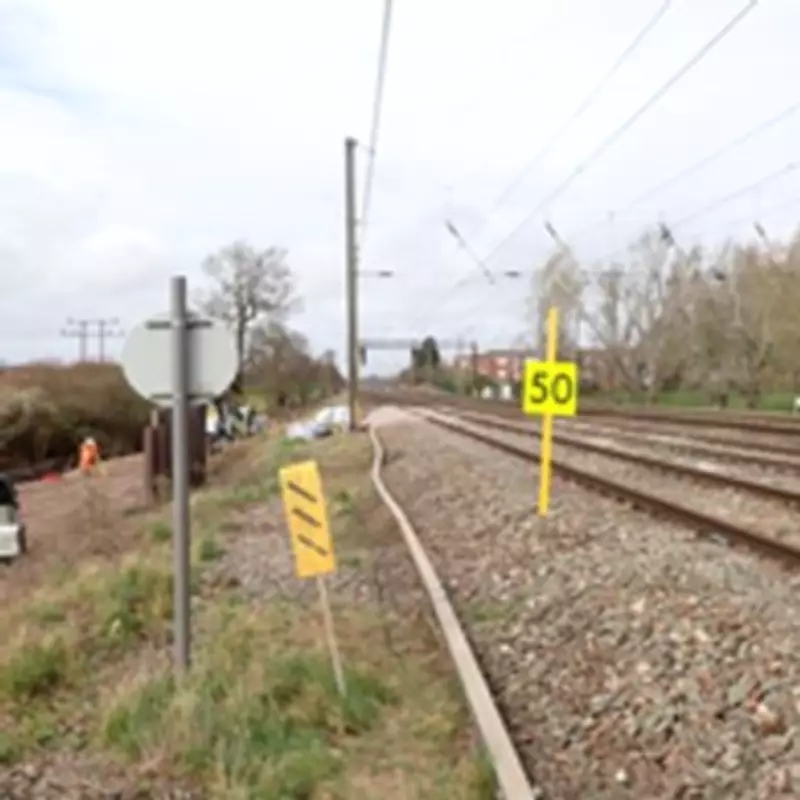
According to the Rail Accident Investigation Branch (RAIB), the worker was one of two staff members carrying out track measurements on the adjacent Down Fast line. This work was part of ongoing repair efforts following an embankment failure. At the time of the incident, the Down Fast line was blocked for these measurements, but the Up Fast line remained open to rail traffic.
The train involved was operated by East Midlands Railway and was traveling into London on the Up Fast line when it struck and fatally injured the worker. The speed of the train, estimated at 110mph (177 km/h), has raised significant concerns about safety protocols and risk management in such high-risk environments.
Investigation Launched into Safety Measures
A government probe has been initiated to thoroughly investigate the circumstances leading to this tragic event. The investigation will focus on several key areas, including the sequence of events prior to the accident, how risks associated with working on or near railway lines are managed, and any underlying management factors that may have contributed to the incident.
The RAIB has released a statement confirming these details and emphasizing the importance of understanding what went wrong to prevent similar tragedies in the future. This incident highlights the inherent dangers faced by railway workers, particularly when high-speed trains are operating on adjacent tracks.
Ongoing Repair Work and Safety Concerns
The repair work due to the embankment failure was ongoing at the time of the accident, underscoring the challenging conditions under which track workers often operate. The fact that measurements were being taken within a line blockage on one track while another remained open to traffic at high speeds raises critical questions about safety procedures and communication protocols.
This fatality serves as a stark reminder of the risks involved in railway maintenance and the need for stringent safety measures to protect workers. The investigation's findings are eagerly awaited by the industry and the public, as they may lead to important changes in how such work is conducted to enhance safety and prevent future loss of life.