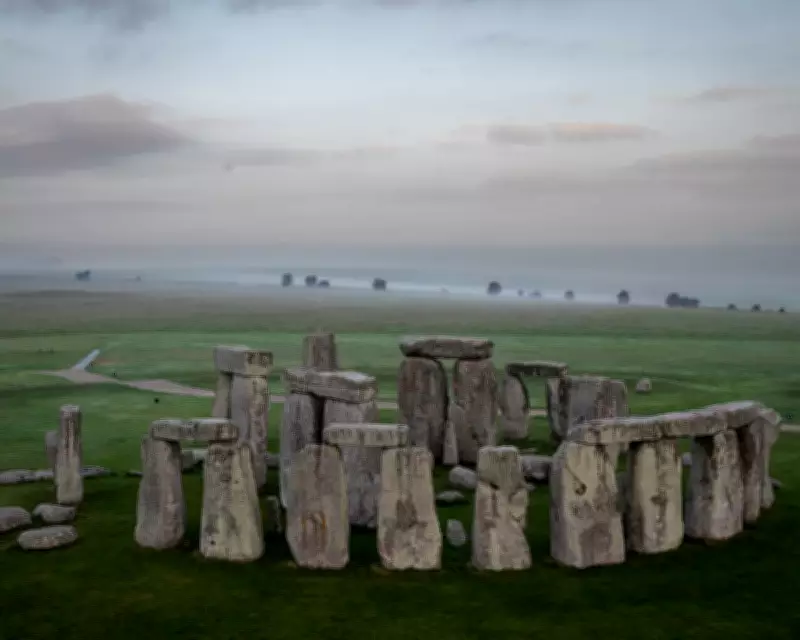
The long-controversial plan to construct a traffic tunnel beneath the Stonehenge world heritage site has been formally abandoned, with the Department for Transport officially revoking the development consent order. This decision marks the end of a project that has consumed £179.2 million in planning and preparatory expenses alone, following years of intense debate and opposition from campaigners.
Decades of Protest and Mounting Costs
Campaigners have been vigorously opposing proposals to dig a vehicular tunnel under the iconic prehistoric monument since the idea was first introduced in 1994. The Stonehenge Alliance, along with other heritage protection groups, argued that the tunnel would cause irreparable damage to the unique archaeological landscape surrounding the stone circle, which dates back to approximately 2500 BC.
The project, which included plans for a tunnel, two junctions, and a northern bypass, received final approval in 2023. However, the newly elected Labour government placed the scheme on hold in 2024 after projections indicated total costs could escalate to a staggering £1.4 billion. Ministers began discussing the revocation of the development consent order last year, culminating in Wednesday's definitive announcement.
Exceptional Circumstances Cited for Revocation
The Department for Transport stated that the revocation was executed under "exceptional circumstances," noting that the project "no longer aligns with current strategic policy objectives." This action effectively scraps the tunnel plan entirely, meaning any future attempts to revive the proposal would require restarting the entire planning approval process from the beginning.
Transport Secretary Heidi Alexander made the final decision, with the DfT emphasizing that the revocation would "remove the planning blight that continues to affect the land in question" and allow "alternative infrastructure or development proposals to come forward that better reflect current needs."
Mixed Reactions from Stakeholders
Mike Birkin, acting chair of the Stonehenge Alliance, welcomed the government's decision, calling the original granting of the development consent order "perverse." He highlighted that the area represents "an entire landscape that is full of prehistoric monuments of incalculable value" and noted that the scheme had been condemned by both planning inspectors and UNESCO experts.
Birkin further urged authorities to redirect some of the saved budget toward improving public transportation networks in the region. Conversely, Wiltshire council member Martin Smith expressed disappointment, describing the cancellation as "a huge blow for Wiltshire, our communities, and the wider south-west region." He pointed out the lack of discussion about viable alternatives to reduce congestion and prevent "rat-running through Wiltshire villages."
Broader Implications and Future Prospects
The tunnel project has been a focal point of conflict between transportation needs and heritage preservation for decades. Proponents argued it was necessary to alleviate chronic congestion problems on the A303 road, which passes uncomfortably close to the stone circle. Opponents, however, maintained that any construction would jeopardize the integrity of one of the world's most significant archaeological sites.
With the tunnel plan now definitively abandoned, attention turns to what alternative solutions might emerge to address traffic issues while protecting the Stonehenge landscape. The Department for Transport's statement suggests openness to new proposals, but any future initiatives will need to navigate the complex interplay of infrastructure development, environmental concerns, and cultural heritage preservation that has defined this issue for generations.