Victoria's Regional Train System Strained by Perfect Storm of Demand
Passengers across Victoria's regional rail network endured extreme overcrowding during the Easter long weekend, with many forced to stand for up to five hours on journeys that normally provide seating. The situation reached critical levels as reduced public holiday timetables collided with school holiday travel and a state government initiative offering free public transport throughout April.
Photographic Evidence Reveals Severity of Conditions
Images circulated widely on social media and provided to media outlets showed alarming scenes at key stations. Bendigo train station appeared packed with travelers waiting for services to Southern Cross in Melbourne, while photographs from inside carriages revealed passengers crouching in aisles and standing shoulder-to-shoulder throughout journeys lasting several hours.
One commuter described the experience to Nine News as being packed like "sardines - can't even breathe in there." Another frustrated traveler questioned the planning, stating: "Surely they would predict that a lot of people would be getting on the trains. I thought they were adding more [services] but maybe they hadn't added enough."
Multiple Factors Converge to Create Crisis
The overcrowding crisis represents a convergence of several factors that overwhelmed Victoria's regional rail capacity. Premier Jacinta Allan's announcement on March 29th that public transport would be free throughout April to help residents reduce fuel costs and manage rising living expenses created unprecedented demand.
This free travel period coincided with both the Easter long weekend and school holidays, traditionally peak travel times. Compounding the problem, V/Line implemented reduced public holiday timetables, creating a significant mismatch between available services and passenger numbers.
Specific Routes Hit Particularly Hard
Social media reports and passenger complaints highlighted several routes experiencing severe overcrowding. Services to Swan Hill, requiring four to five hours of travel time, and trains making the four-hour journey to Bairnsdale were reportedly leaving Southern Cross station "jammed full" with standing passengers.
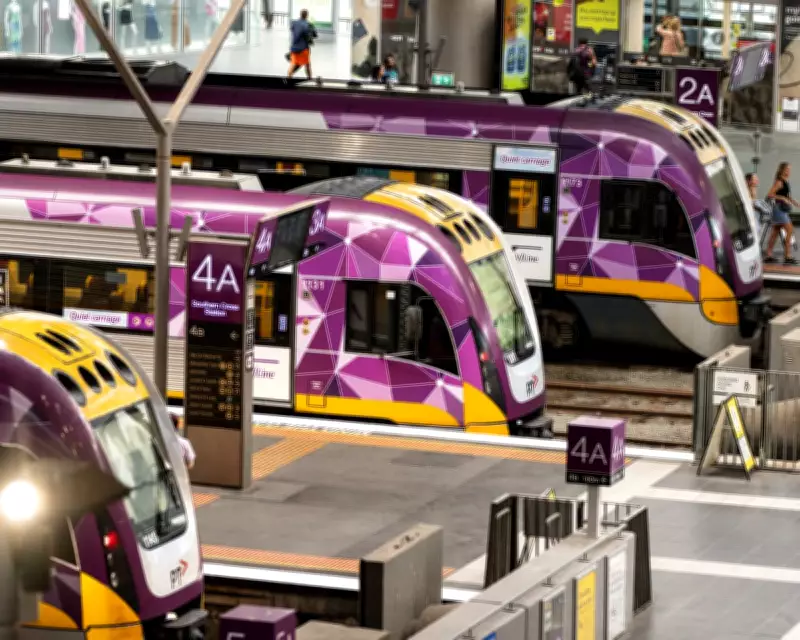
The situation on the Warrnambool service has drawn particular attention, with the Standard newspaper reporting increased overcrowding since V/Line switched from N-type carriages to VLocity trains on this route in 2024. The new trains proved too long for some platforms, resulting in services running with three carriages instead of six.
Political and Community Response
State MP for Polwarth, Liberal Party member Richard Riordan, raised the overcrowding issue in parliament on March 4th, noting that "on every single train service in western Victoria people are standing for two or three hours." He warned that breakdowns or delays could extend standing time to four or five hours.
The Public Transport User Association, a community advocacy group, shared photos on its Facebook page showing people standing in aisles on the Warrnambool train, highlighting ongoing concerns about the regional system's capacity to meet growing demand.
Official Response and Passenger Statistics
A V/Line spokesperson stated that extra carriages had been added to services over the long weekend and that more than 300 coaches were on standby across the network, including for events like the Bendigo Easter festival. A Victorian government spokesperson added that authorities would "continue to closely monitor patronage across the network over coming weeks."
Government passenger data from the 2024-25 financial year reveals the scale of regional rail usage, with the Geelong and Ballarat lines recording the highest passenger numbers. More than 3.8 million people transited through just three stations on the Geelong line alone, indicating substantial underlying demand even before the free travel promotion.
Broader Implications for Regional Transport
The Easter weekend crisis highlights systemic challenges facing Victoria's regional public transport infrastructure. While fare-free initiatives aim to provide cost-of-living relief and encourage public transport use, the events demonstrate that such policies require careful coordination with service capacity planning.
Regular V/Line travelers had reported overcrowding on some services well before the fare-free period began, suggesting underlying capacity issues that were dramatically exacerbated by the perfect storm of holiday travel and promotional incentives.