Railway Heroines Celebrated in Hollywood-Style Installations for International Women's Day
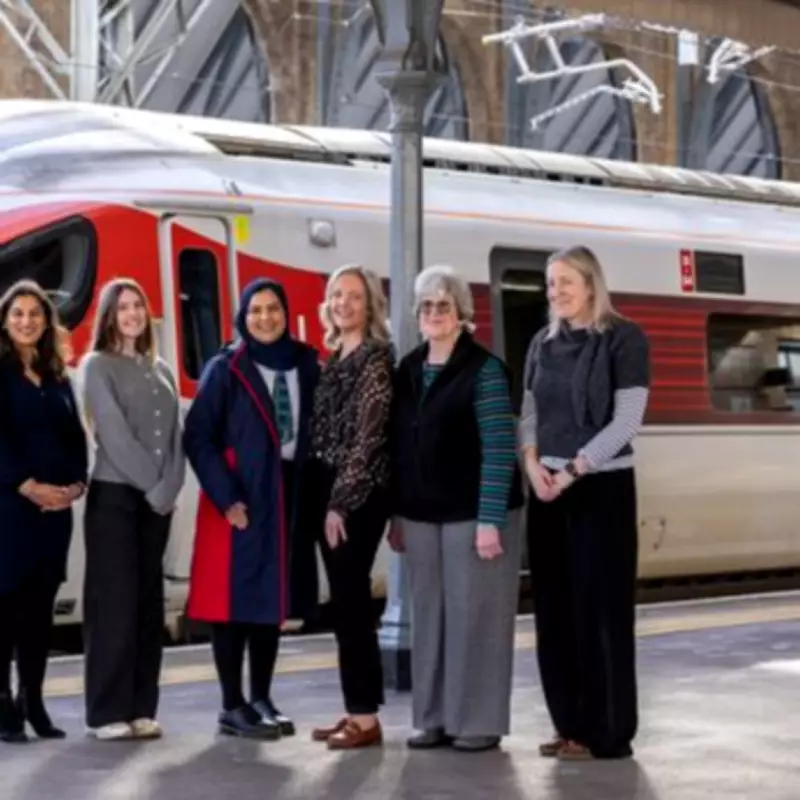
In a powerful tribute to female pioneers in the rail industry, London North Eastern Railway (LNER) has unveiled Hollywood Walk of Fame-style installations at London King's Cross and York railway stations. The campaign honors women who defied societal norms and broke barriers in a traditionally male-dominated field, with stories spanning from the Victorian era to the present day.
Victorian Trailblazer Who Disguised Herself as a Man
Among the most remarkable figures being recognized is Elizabeth Holman, one of the earliest known women to work on British railways during the 1850s. At a time when social restrictions severely limited women's employment opportunities, Holman took the extraordinary step of disguising herself as a male navvy to undertake dangerous and physically demanding railway construction work. Her courage in defying gender expectations paved the way for future generations of women in rail.
World War II Heroes and Modern Pioneers
The installations also celebrate Gladys Garlick, one of the first female train guards who served courageously during World War II air raids, maintaining essential rail services despite constant danger. Betty Chalmers, who joined LNER in 1937 at just 16 years old and worked in an underground shelter for two years, is similarly honored for her dedication during challenging times.
Modern-day railway revolutionaries receiving recognition include train driver Helen Donagher, whose quick thinking on duty saved a passenger's life, and Rezwana Rahman, who made history as the first LNER female driver to wear a hijab while performing her duties.
Persistent Perception Gap Despite Progress
Despite these inspiring stories and significant advances, new research commissioned by LNER reveals a substantial perception gap regarding women in rail. The study found that if parents asked their children to draw a train driver, three quarters of UK children would instinctively draw a man, reflecting persistent gender stereotypes.
Even more strikingly, 97 percent of Britons surveyed had no idea that more than 35,000 women currently work in the UK railway industry. While three in ten women indicated they would consider a career in rail, 67 percent reported being unaware of the opportunities available to women within the industry.
Family Legacy and Industry Commitment
Lesley Cook, daughter of honored pioneer Gladys Garlick, expressed profound emotion about seeing her mother's legacy recognized. "Seeing my mother's legacy live on for her unwavering dedication to British rail is such a special moment for our family," Cook said. "The railway is part of our roots, with my mum as a female guard which she was so passionate about and took a huge amount of pride in, and my father being a train driver."
Paula Bullock, LNER's People Director, emphasized the company's commitment to gender equity. "Gender equity in the transport industry – particularly within rail – is something we're deeply passionate about and firmly committed to improving at LNER," Bullock stated. The company's latest data reveals a 44 percent female workforce, significantly higher than the industry benchmark of 16 percent.
Inspiring Future Generations
Ellie Burrows, Network Rail's Eastern Region Managing Director, highlighted the campaign's importance for representation. "It's inspiring to see so many remarkable women from across the rail industry celebrated through this campaign," Burrows noted. "Their stories span generations - from the pioneers who opened doors for others, to the women who played vital roles during the Second World War, to the talented colleagues shaping the railway of today and tomorrow."
The installations will remain at London King's Cross until after International Women's Day on March 8, after which they will move to the station's Family Lounge. The York installation will continue at that location. Visitors can scan QR codes on the installations to access LNER's website and read detailed stories about these remarkable women's contributions to British rail history.