Japanese Train Etiquette Survey Reveals Top Tourist Annoyances
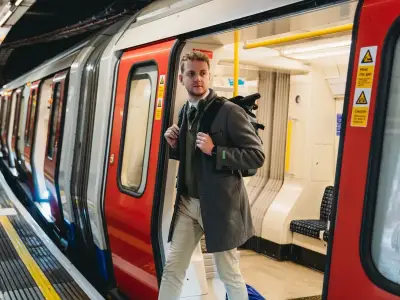
If you have ever experienced the London Underground during peak hours, you are likely familiar with its unwritten rules: stand on the right, allow passengers to disembark first, and avoid obstructing doors. Tourists frequently breach these protocols, a phenomenon that Japanese residents reportedly understand all too well.
Survey Highlights Local Frustrations
A comprehensive new study examining public transport behaviors that irritate locals across Japan has identified excessive noise as the primary grievance. The research, which concentrated on actions displayed by international visitors, found that loud and disorderly passengers are the most aggravating.
Conducted by the Japan Private Railway Association, an organization comprising 72 rail companies nationwide, the survey polled 5,202 individuals. A significant 69.1% stated that boisterous conduct greatly bothers them.
Large luggage secured second place, with 41.9% of respondents expressing low tolerance for tourists carrying oversized suitcases and bags, particularly when placed in inconvenient locations.
Ranking third, annoying 26.2% of participants, was a "sitting style that encroaches on others." This includes spreading legs widely, crossing ankles into another's space, or using bags to occupy empty seats.
The Cultural Context of Train Etiquette
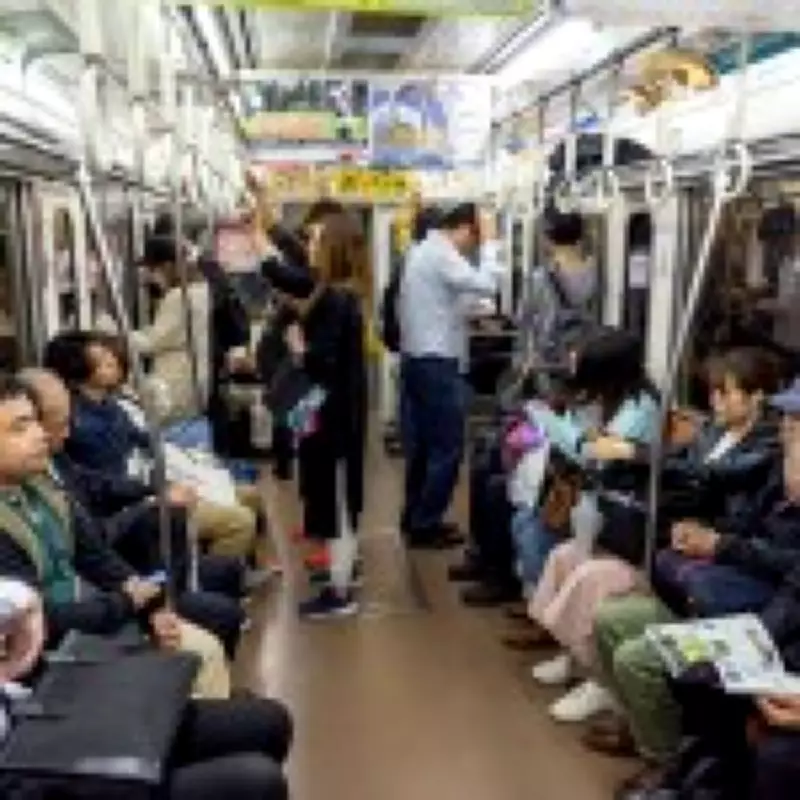
On Japanese trains, widely regarded as indoor spaces where volume should be minimized, silence is not merely appreciated but expected. Many carriages feature narrow aisles, and personal space is at a premium during busy times, meaning poorly positioned luggage or a "manspreader" can quickly become a communal issue.
The broader concept is known as Densha manner (電車マナー), translating to train etiquette. While not legally enforced, it is deeply embedded in societal norms. Nicolas, a Tokyo resident who operates the travel blog Japanetic, traces this culture of quiet consideration to Japan's rapid urbanization during the 1960s and 1970s.
As millions migrated to cities and became dependent on public transport, codes of conduct became essential for maintaining group harmony, influenced by Buddhist and Confucian values. Railway companies initiated campaigns promoting calm and orderly behavior, and the message endured.
Online Reactions and Tourist Perspectives
Although those who violate the rules are unlikely to be confronted directly, Nicolas cautions they will probably receive what are colloquially termed "cold eyes"—disapproving stares from fellow passengers.
Online, locals are more forthright about their frustrations. On Reddit's r/AskAJapanese forum, one user commented, "I cringe when I see foreigners talk so loudly on the trains." Another added, "What annoys me is people who are unnecessarily loud... almost yelling like it's a nightclub except everyone can hear them."
Visitor Christine Hebert Goodnough acknowledged, "Though I don't remember it being silent on the train, I do remember people looking at me when I was speaking, because I probably was pretty loud. I am American and they might have been looking at me because of my accent. I don't know... But I stood out."
Complete List of Annoying Behaviors
The survey detailed the following public transport habits that Japanese locals find most irritating:
- Noisy conversations and messing around on board: 69.1%
- Carrying large items on board and placing them in inconvenient spots: 41.9%
- A sitting style that encroaches on others: 26.2%
- Strong scents including perfume, detergent, fabric softener and cosmetics: 24.8%
- Standing near the door without moving for people to get on and off: 24.1%
- Bad manners when boarding and alighting, including running onto the train and pushing in the queue: 16.4%
- Not giving up designated priority seats for elderly, pregnant or disabled passengers: 10.7%
- General lack of awareness, such as blocking pathways in stations: 10.6%
- Littering and leaving rubbish behind: 8.6%
- Coughing or sneezing without consideration: 7.6%
Why Noise Tops the List
The Japan National Tourism Organization clarifies on its website: "While talking in preferably soft voices on the train is certainly acceptable, speaking at any volume on your phone is generally frowned upon while riding trains and buses. If you carry a phone, keep it on silent mode and avoid speaking on it."
For British travelers—over 400,000 of whom visit Japan annually—accustomed to chatty carriages and occasional speakerphone missteps, the silence on a Japanese train can be striking.
If you are planning a trip, consider this a gentle reminder: on board, keep the volume low, stow luggage neatly, and ensure your phone remains on silent. While you may not hear the complaint, you will almost certainly feel the stare.