HS2 Speed Reduction Plans Emerge to Cut Costs and Construction Time
The ambitious vision for HS2 to become the fastest regular passenger rail service globally may be scaled back as the UK government explores options to reduce the project's top speed. This strategic move aims to save billions of pounds and reclaim valuable construction time on the heavily delayed infrastructure initiative.
Proposed Speed Reductions and Their Implications
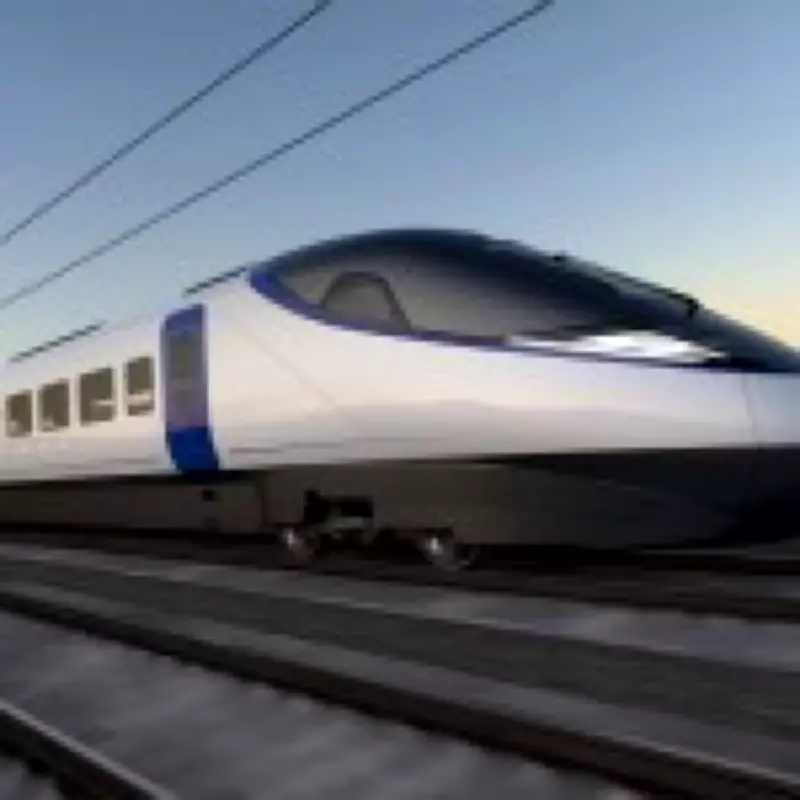
Transport Secretary Heidi Alexander has presented two distinct options for modifying HS2's operational speed. The first proposal would lower the maximum velocity from 360km/h to 320km/h, aligning it with the performance of Japan's renowned Shinkansen bullet trains. The second, more conservative approach would establish a 300km/h limit, matching the current capabilities of HS1, commonly known as the Channel Tunnel route.
According to the Department for Transport, implementing either speed reduction would result in a negligible impact on journey times while generating substantial financial savings. The department emphasized that no existing railway infrastructure worldwide is engineered to support testing at the originally planned 360km/h threshold, meaning trains could only be validated after track completion—a factor contributing to project delays.
Financial and Timeline Pressures
The HS2 project has faced escalating costs and repeated schedule setbacks since its inception. Initial estimates in 2012 projected the first phase would require £20.5 billion, but by January 2024, revised calculations placed the figure between £49 billion and £56.6 billion in 2019 prices. The original timeline, which envisioned passenger services commencing between London and northern English cities this year, has been abandoned entirely.
In October 2023, Prime Minister Rishi Sunak announced the cancellation of HS2's northern and eastern segments following years of budget overruns and missed targets. The Conservative government's decision reflected growing concerns about the project's financial sustainability and delivery challenges.
Organizational Restructuring and Future Outlook
In December 2024, the Labour government appointed former Crossrail executive Mark Wild as the new CEO of HS2 Ltd, the company originally established by the previous Labour administration in 2009 to oversee the project. Transport Secretary Alexander tasked Wild with implementing a comprehensive reset strategy designed to halt continuous cost escalations and delays while ensuring the remaining work proceeds safely and cost-effectively.
Alexander's recent update revealed that Wild's assessment uncovered significant discrepancies in HS2 Ltd's project tracking. The organization lacked accurate measurements of completed work and remaining tasks, leading to substantial underestimations of required efforts. No revised completion date has been announced, though a report analyzing the impact of speed reductions is scheduled for delivery before Parliament's summer recess begins on July 16.
The Transport Secretary reiterated the government's commitment to delivering HS2 as effectively and efficiently as possible, promising to explore every opportunity to recover construction time, conserve taxpayer funds, and ensure the project ultimately benefits the nation. While reducing speeds would relinquish HS2's claim to being the world's fastest railway—with China and Indonesia operating trains reaching 350km/h—the potential trade-offs in cost and timeline efficiency are driving serious consideration of this alternative approach.