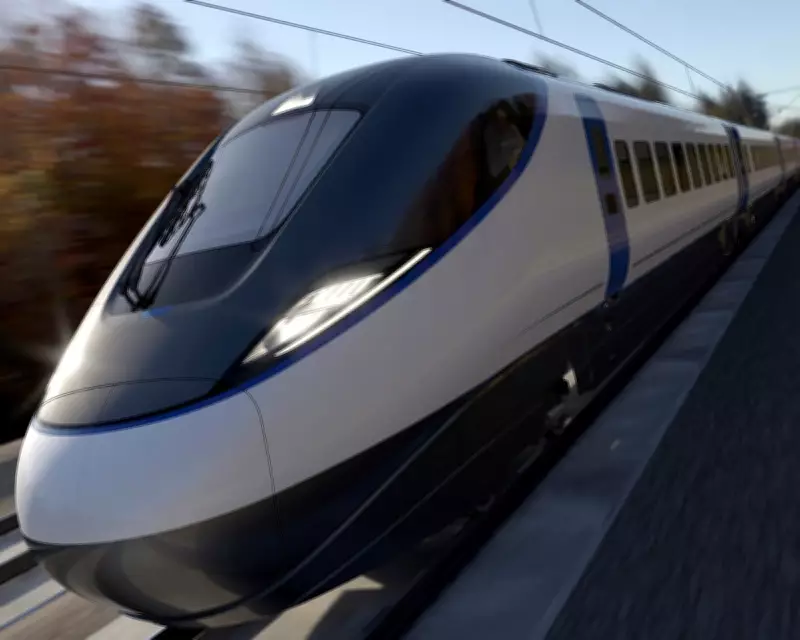
In a bold move to curb escalating expenses and expedite the project's completion, ministers have instructed High Speed Two to explore operating its trains at reduced velocities. HS2 Ltd is now tasked with assessing whether lowering the maximum speed from 224mph to 186mph could yield substantial financial savings, potentially amounting to billions of pounds, and facilitate an earlier operational debut in the 2030s.
Current Expenditure and Budget Pressures
The latest six-monthly update reveals that total expenditure on HS2 has reached £46.2 billion at current prices. This figure includes £2.6 billion allocated to the now-cancelled northern leg from Birmingham to Manchester, which was scrapped by former Prime Minister Rishi Sunak in 2024. With inflation, labour, and steel costs soaring in recent years, the overall budget is anticipated to exceed £100 billion when restated in 2026 prices.
Transport Secretary's Statement
Transport Secretary Heidi Alexander addressed Parliament, highlighting the intensified challenges facing the high-speed rail scheme. She noted that HS2 Ltd, under the leadership of Chief Executive Mark Wild, lacked an accurate assessment of completed and pending work, leading to significant underestimations in previous plans. Alexander has commissioned Wild to report back before the summer recess on potential savings from implementing slower train speeds.
Alexander emphasized that no existing UK railway is engineered for 360km/h, necessitating either delayed testing on HS2 tracks or costly overseas trials. She praised Wild's efforts, stating that HS2 is now meeting construction milestones, including the excavation of all 23 miles of deep tunnels required for the initial phase.
Industry Context and Design Criticisms
Most fast trains in the UK operate at a maximum of 125mph, while high-speed services on the HS1 line to Kent and the Channel tunnel reach up to 186mph, aligning with typical European standards. Government sources have criticized the initial design as "gold-plated" and "needlessly overspecced," attributing it to the previous Conservative administration's ambition to create the world's fastest railway.
Mark Wild's Commitment
Mark Wild, who assumed the role of HS2 Ltd chief executive in late 2024, has pledged to regain control of the project and halt further cost increases and delays. He stated, "Speed has never been the primary objective. This railway will deliver better journeys, more capacity on the network, and economic growth – all of which are vital to the country's future prosperity." Wild's initial review of costs and a revised work schedule has been submitted to the Department for Transport, with ongoing efforts to drive efficiencies through the hard work of 30,000 on-site personnel.
The government aims to finalize cost reductions before publishing a comprehensive reset plan, which will include an updated budget. This strategic shift underscores a focus on practicality and fiscal responsibility in one of the UK's most ambitious infrastructure projects.