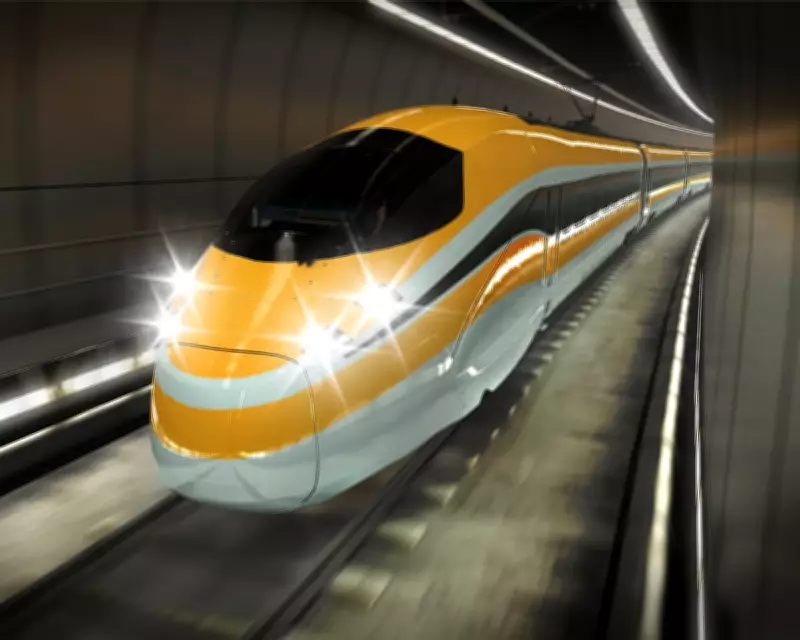
High-Speed Rail Ticket Costs from Newcastle to Sydney Unveiled
New information has emerged regarding the anticipated ticket prices for the proposed high-speed rail link connecting Newcastle and Sydney. This development comes as part of ongoing discussions about the feasibility and economic impact of the project, which aims to revolutionize intercity travel in the region.
Pricing Structure and Affordability Concerns
The revealed ticket costs have ignited a mix of excitement and concern among potential users and stakeholders. Proponents argue that the high-speed rail service will significantly reduce travel time, making it a competitive alternative to driving or conventional rail. However, critics question whether the pricing will be accessible to a broad demographic, potentially limiting its usage to business travelers or higher-income groups.
Estimates suggest that a one-way ticket could range considerably, depending on factors such as booking time, class of service, and promotional offers. This variability is designed to cater to different market segments, but it has also raised questions about transparency and consistency in fare structures.
Comparative Analysis with Existing Transport Options
When compared to current transport methods, the high-speed rail offers a notable reduction in journey duration. The trip from Newcastle to Sydney, which typically takes over two hours by car or conventional train, could be slashed to under an hour with the new service. This time-saving aspect is a key selling point, but it must be weighed against the higher ticket costs relative to existing options.
For instance, standard train fares and fuel expenses for driving are generally lower, making the high-speed rail a premium choice. The project's success may hinge on whether commuters and travelers perceive the time efficiency as worth the additional expense.
Economic and Environmental Implications
The introduction of high-speed rail is expected to have broader economic benefits, including job creation during construction and operation, as well as boosted tourism and business connectivity between Newcastle and Sydney. Environmentally, the shift from road and air travel to rail could contribute to reduced carbon emissions, aligning with sustainability goals.
However, these advantages depend on achieving sufficient ridership to justify the investment. If ticket prices are set too high, it could deter usage, undermining the project's economic and environmental objectives. Stakeholders are calling for a balanced approach that considers both profitability and public accessibility.
Future Projections and Public Response
As plans progress, further details on ticket pricing and service features are anticipated. Public feedback has been mixed, with some expressing enthusiasm for the modern infrastructure, while others voice skepticism about cost-effectiveness and implementation timelines.
The debate highlights the challenges of introducing advanced transport solutions in urban corridors, where balancing innovation with affordability is crucial. Ongoing discussions will likely focus on subsidy options, partnership models, and phased rollouts to address these concerns.