Barcelona Commuter Train Derails After Wall Collapse, Killing Driver and Injuring Dozens
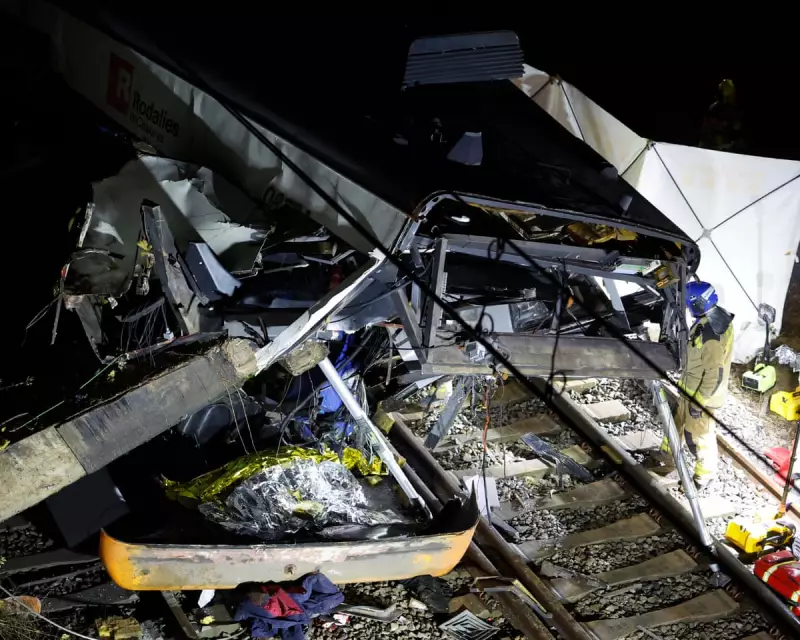
A devastating incident has struck Spain's rail network for the second time in days, as a commuter train near Barcelona derailed after colliding with a collapsed retaining wall. The crash occurred on Tuesday in Gelida, a city on the outskirts of Barcelona, resulting in the tragic death of the driver and injuries to 37 passengers.
Emergency Response and Critical Injuries
Firefighters and emergency services rushed to the scene, deploying 20 ambulances and 38 firefighter units to assist the victims. According to Claudi Gallardo, a spokesperson for Catalonia's fire service, four people were seriously injured, with some believed to be in critical condition. After a thorough review, authorities confirmed that no one remained trapped inside the train carriages, but crews continued to secure the area and search for any additional victims.
Cause of the Collapse and Regional Context
Spain's railway operator, Adif, suggested that heavy rainfall across Catalonia this week likely caused the containment wall to collapse onto the tracks. This incident highlights ongoing concerns about underfunded rail services in the region, which has experienced frequent operational issues. The suburban train derailment adds to a pattern of infrastructure challenges that have plagued local commuter routes.
National Mourning and Previous Tragedy
The crash comes just two days after a separate, deadly collision between two high-speed trains in Andalucía, southern Spain, which killed at least 42 people and left dozens injured. In response to these tragedies, Spain has declared three days of national mourning. Emergency workers are still searching for victims in the wreckage from Sunday's accident, approximately 500 miles away, underscoring a sombre period for the country's transport sector.
The civil protection agency in Catalonia stated on social media that the wall collapse directly caused the passenger train accident. As investigations continue, focus turns to improving rail safety and infrastructure to prevent future incidents.