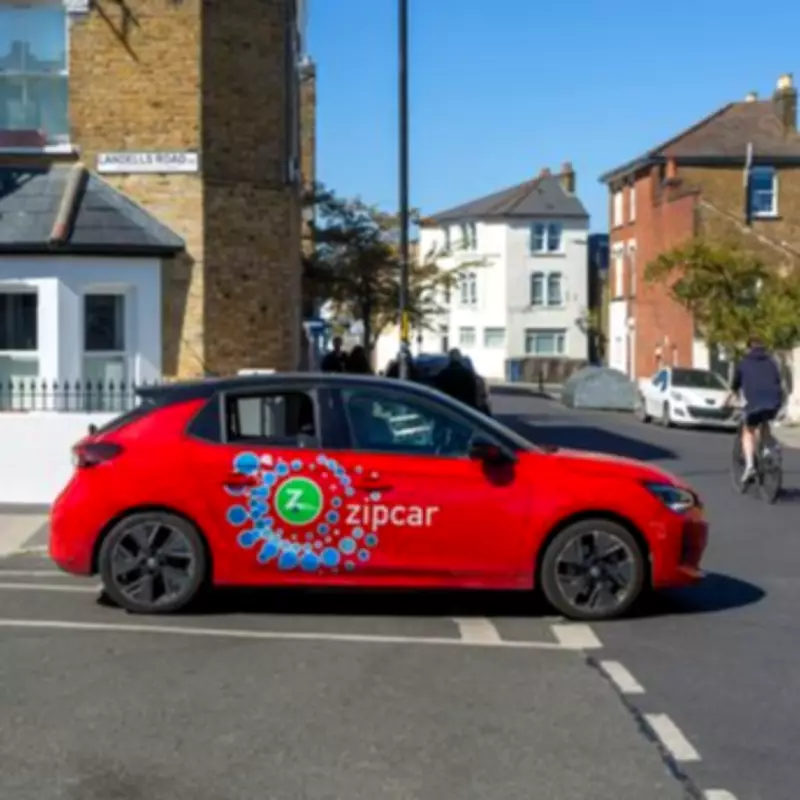
Londoners Grapple with Unexpected Fallout from Zipcar's Departure
Residents across the capital are voicing their frustrations about the unforeseen challenges emerging in the wake of Zipcar's complete withdrawal from the United Kingdom. The popular car-sharing service, which allowed users to hire vehicles on a flexible, pay-per-hour basis, officially terminated all its UK trading operations at the close of the previous year.
The Practical Struggles for Car-Light Households
For many Londoners, the absence of Zipcar has transformed routine tasks into logistical nightmares. Genevieve, a resident of Southwark, illustrates this point starkly. Despite having personal access to a car, she found moving a friend into a new property became excessively burdensome. "I was forced to make multiple journeys to move my friend using my car rather than the van I would have hired," she explained. "Her belongings, which would normally have fitted into one van, required four separate trips. This turned a stressful day into an even more stressful ordeal."
The issue extends beyond moving house. The second-hand goods market has also been impacted. One local lamented the difficulty of selling items on platforms like Facebook Marketplace, as potential buyers without vehicle access can no longer easily collect purchases. Another user echoed this sentiment: "I've tragically stopped looking on Facebook marketplace as I have no way to fetch stuff now. The cost of hiring a professional courier often negates any financial saving, making the whole exercise pointless unless you can consolidate multiple pickups."

Context and Alternatives in a Changing Market
Zipcar's exit did not occur in isolation. The firm had already scaled back its services, withdrawing from cities like Oxford, Cambridge, and Bristol last year to concentrate on its core London market. Ultimately, it cited the ongoing cost of living crisis as a key factor behind declining revenues. Furthermore, the company would have faced additional financial pressure from London's expanded congestion charge, which since late December now includes electric vehicles.
This departure leaves a significant gap, particularly given London's unique transport demographics. According to the latest Transport for London data, a substantial 62% of inner London households and 33% of outer London households do not have regular access to a private car.
While the loss is keenly felt, some residents point to existing alternatives for short-notice vehicle hire. Services such as Hertz 24/7 and peer-to-peer platform Turo are mentioned, alongside traditional 'man with a van' services. "Other vans exist for very short rentals," noted one pragmatic user. "I normally use Hertz 24/7, or for smaller items, I've definitely hauled purchases on public transport." However, for many, these options do not fully replicate the convenience and integrated network previously offered by Zipcar.
The situation underscores the vital role flexible car-hire services play in supporting the mobility and daily lives of residents in a major, densely populated city where car ownership is not the norm. The search for convenient and affordable alternatives continues as London adapts to this sudden change in its transport ecosystem.