South London Driver Launches Legal Battle Over Controversial Yellow Box Fines
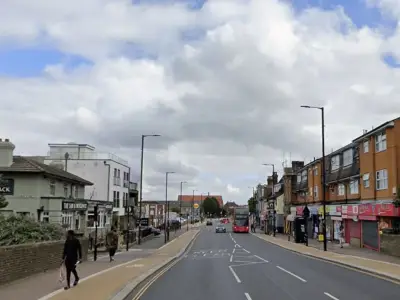
A frustrated South London motorist is preparing to take legal action against Kingston Council over the enforcement of two yellow box junctions that have generated more than £450,000 in fines within just eight months. The dispute centres on the controversial traffic measures installed on Kingston Road in New Malden, which local residents and independent councillors have labelled a "cash cow" rather than a proportionate traffic management solution.
Long-Standing Concerns Over Junction Layout
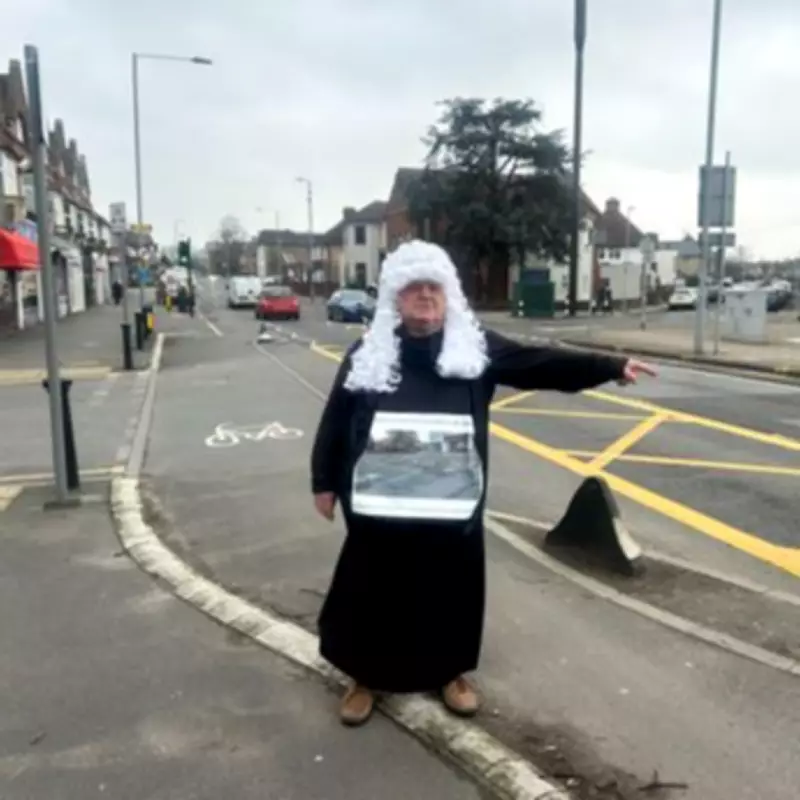
Phillip Morgan, a 72-year-old resident from Claygate, has been raising concerns about the yellow boxes for several years and has now escalated his campaign by sending a pre-action protocol letter to the council. The retired driver, who assists motorists with challenging fines through Free Traffic Legal Advice, argues that the yellow boxes extend well beyond the functional junction areas, unfairly trapping drivers who then receive automatic penalties.
The contentious yellow boxes sit adjacent to each other at the junctions with Elm Road and Westbury Road. While originally installed in 2015, automated camera enforcement only began in 2020. Drivers who stop within either yellow grid when their exit isn't clear face an initial £160 penalty, reduced to £80 if paid within fourteen days.
Substantial Revenue Generation and Appeal Successes
Freedom of Information data reveals the scale of enforcement, with Kingston Council issuing 6,568 penalty charge notices between January and August last year alone, generating approximately £451,405 in revenue. However, independent adjudicators have repeatedly found issues with the enforcement, particularly regarding the section extending beyond Elm Road.
During appeals last year, 18 out of 36 challenges against fines issued at the Elm Road junction were upheld, with adjudicators determining this section was "non-compliant with regulations" and "outside the main functional junction area." At the Westbury Road junction, three out of five appeals were successful.
Political Pressure and Council Response
Growing community pressure led to a neighbourhood committee meeting in January where independent councillors James Giles, Yvonne Tracey and Kamala Kugan pushed for action. The committee agreed to review the junctions and investigate shortening the yellow box at Elm Road, though council officers maintain the current layout is "legally compliant and proportionate."
Councillor Giles expressed satisfaction with this development, stating: "I was delighted that the Lib Dems had a Damascene conversion to supporting our point of view on this yellow box, having for months suggested there were no issues there. Clearly, with 40,000 PCNs issued in the last five years, there is an issue here."
Legal Challenge and Inconsistency Concerns
Mr Morgan is seeking a judicial review at the High Court, citing inconsistency in appeal outcomes where drivers received different decisions for similar contraventions. He wants the council to suspend fines until a decision is made about changing the layout and is awaiting their response to his legal letter.
"I've now issued [the council] with a pre-action protocol letter to get the matter resolved at the High Court because of the inconsistency among adjudicators," Mr Morgan explained.
Council's Position and Legal Requirements
A Kingston Council spokesperson defended the enforcement, stating: "Yellow boxes are used across the country to improve traffic flow and provide safe environments for all road users. The council uses its enforcement powers to ensure compliance. We do not, and by law are not permitted to, use enforcement with the objective of raising revenue."
The spokesperson added that both junctions comply with current traffic regulations and noted decreasing penalty volumes over recent years, suggesting improving compliance. Any surplus income from traffic enforcement must be ringfenced for specific uses including highways maintenance.
The council has committed to reporting the review outcomes to the committee promptly and will respond to Mr Morgan's legal correspondence according to their obligations. This case highlights ongoing tensions between traffic management objectives and perceived revenue generation through enforcement measures in London's boroughs.