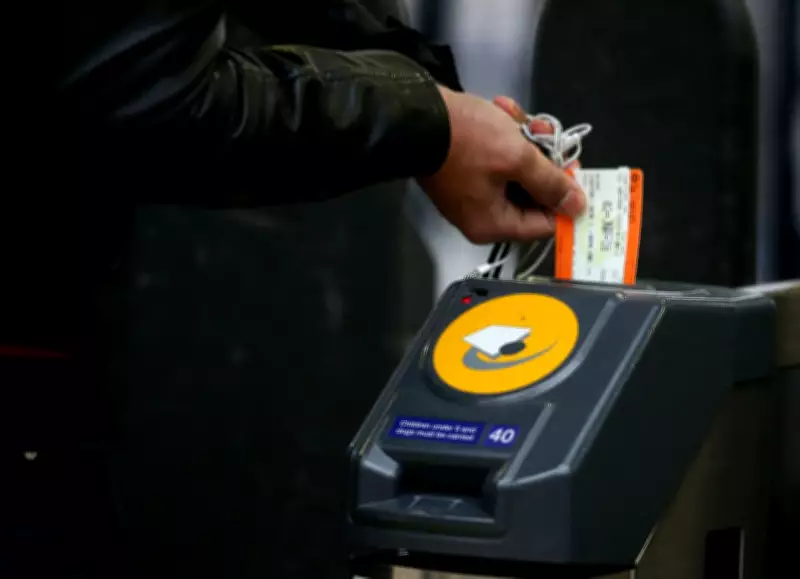
City Professionals Evade Train Fares Due to Misplaced Sense of Entitlement
A recent investigation has uncovered a troubling trend among City of London professionals who are systematically evading train fares, driven by a misplaced sense of entitlement and mounting financial pressures. This behavior is causing significant revenue losses for transport operators and raising ethical questions in the corporate world.
Key Findings from the Report
The report, based on surveys and data analysis, indicates that a notable percentage of high-earning professionals in finance, law, and consulting sectors admit to skipping fare payments on trains. Many justify this by claiming they are overcharged or that their contributions to the economy entitle them to free rides. Others cite the high cost of living in London as a factor, despite their substantial salaries.
Impact on Transport Revenue and Public Trust
Fare evasion by this demographic is not just a minor issue; it results in millions of pounds in lost revenue annually for transport networks like Transport for London (TfL). This shortfall can lead to increased fares for honest commuters and reduced funding for service improvements. Moreover, it erodes public trust and sets a poor example, potentially encouraging wider fare-dodging behaviors across society.

Psychological and Social Factors at Play
Experts suggest that the entitlement stems from a combination of workplace culture and perceived status. In competitive City environments, some professionals may feel above the rules, viewing fare evasion as a trivial matter. Additionally, peer influence and normalization of such practices within social circles contribute to its persistence. Financial stress, though less credible given their incomes, is often used as a rationalization.
Responses from Authorities and Employers
Transport authorities are ramping up enforcement, with increased inspections and penalties for fare evaders. Meanwhile, some employers in the City are being urged to address this issue through ethics training and stricter codes of conduct. There is a growing call for corporate responsibility to curb this behavior, as it reflects poorly on the industries involved.
Looking Ahead: Solutions and Recommendations
To combat this problem, the report recommends a multi-faceted approach:
- Enhanced surveillance and technology, such as smart ticketing systems, to deter evasion.
- Public awareness campaigns highlighting the consequences of fare dodging on transport services.
- Collaboration between transport operators and City firms to promote ethical commuting practices.
- Potential legal repercussions for repeat offenders, including fines and criminal records.
Addressing this issue is crucial not only for financial reasons but also to uphold integrity in one of the world's leading financial hubs. As London continues to grow, ensuring fair and lawful use of public transport remains a priority for sustainable urban development.