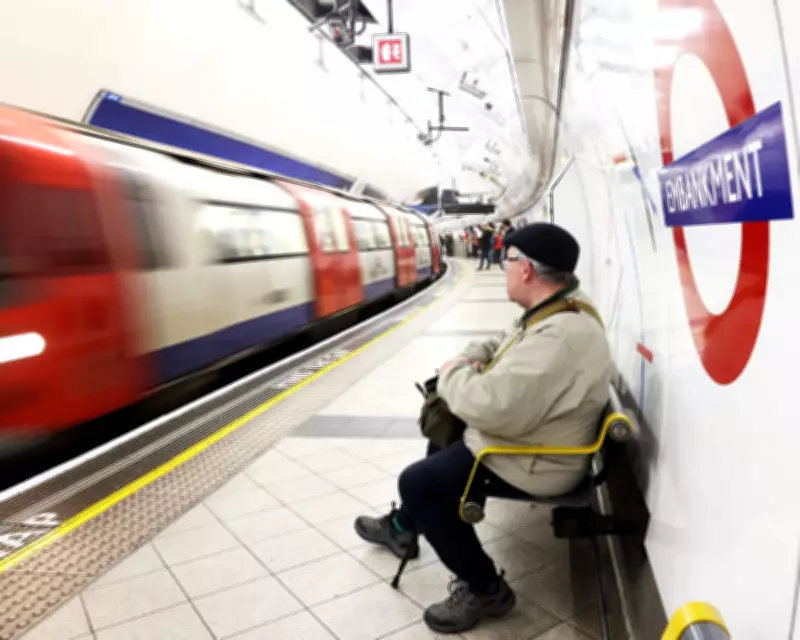
London Tube Drivers to Stage 12 Days of Strikes in Spring Over Four-Day Week Dispute
The RMT union has announced that tube drivers in London will strike across 12 days in the spring, escalating a row over the proposed implementation of a four-day working week on the London Underground. The union revealed that London Underground bosses are pushing ahead with plans to condense the workweek, despite opposition from RMT members who have rejected the proposals.
Union Concerns Over Fatigue, Safety, and Work-Life Balance
The RMT, representing approximately 1,800 driver members—estimated to be 40% to 50% of all tube drivers—has expressed serious concerns about the four-day week. Key issues include shift lengths, unacceptable working time arrangements, and the potential impact on fatigue and safety. Eddie Dempsey, RMT general secretary, stated, "London Underground is trying to force through major changes to working patterns that have already been rejected by our members. We are clear that these proposals raise serious concerns around fatigue, safety and work-life balance."
Strike Schedule and Disruption Details
A series of six 24-hour weekday strikes is planned, each running from noon until the same time the following day. The strikes will commence on Tuesday, March 24, and Thursday, March 26, with the same pattern repeating from April 21 and May 19. This schedule spells four days of major transport disruption in the capital, potentially affecting millions of commuters. In addition to the strikes, RMT members will be instructed to cease using any electronic devices issued by London Underground, such as iPads, as part of the industrial action.

Contrasting Union Positions: RMT vs. Aslef
While the RMT opposes the four-day week, the train drivers union Aslef has warmly supported the plan, welcoming the extra days off for its members. Finn Brennan, district organiser in London for Aslef, called the RMT strike "bizarre," noting that the proposals remain voluntary. He added, "It will be the first time in the history of the trade union movement that a union has voted to strike against a shorter week and fewer days at work." This division highlights the ongoing debate over work-life balance and operational safety in the transport sector.
Background and Potential for Resolution
The RMT staged a week-long strike last September across the London Underground, aimed at reducing the length of the working week, indicating a persistent conflict over working conditions. Dempsey emphasized that there is still time to avoid industrial action through negotiation, but the union "will take strike action if we cannot get a negotiated settlement." The dispute underscores broader tensions in labor relations within London's critical transport infrastructure, with implications for public services and urban mobility.