London Transport Staff Endure 200 Violent Attacks Each Week Amid Safety Crisis
Transport for London (TfL) and the British Transport Police (BTP) are under intense pressure to enhance protections for frontline staff following shocking revelations of widespread violence against workers. A recent London Assembly investigation has uncovered harrowing accounts from employees who face regular assaults while performing their duties.
Harrowing First-Hand Accounts from Frontline Workers
During a cross-party committee session, frontline transport workers shared disturbing experiences of physical attacks and verbal abuse. Luke Banks, a Revenue Control Officer on the London Underground, described being assaulted at King's Cross Station after intervening to protect a threatened colleague. "The customer turned on me, shoved us both in the chest and started screaming death threats," Banks testified. He expressed greater concern about the lack of timely response from authorities than the incident itself, noting that BTP took two hours to arrive at the major station.
Paul Feakes, a Revenue Control Inspector, recounted being punched twice and dragged across a ticket hall floor during an assault. He reported that BTP arrived 30 minutes after Metropolitan Police officers, highlighting systemic response delays. Feakes added that many staff no longer report incidents due to perceived inaction and managerial scrutiny of their conduct during assaults.

Bus Driver Hospitalized After Violent Attack
Selington Rock Santan Fernandes, a London bus driver, described a terrifying incident where a passenger broke his cabin door after a route diversion announcement. "He pulled my hair and started hammering - I couldn't see right or left and was taken to the hospital," Fernandes told the committee, noting he suffered lasting physical and psychological trauma from the attack.
Systemic Failures in Reporting and Response
The investigation revealed two critical systemic issues: inadequate BTP response times and an inefficient incident reporting system. According to 2023/24 data, London transport staff experienced 200 violent incidents weekly, totaling 10,493 reports of work-related violence and aggression that year. This represents a 35% increase in incidents against rail staff and an 18.5% increase against bus drivers since 2021.
Banks criticized the current reporting system, stating it takes 45 minutes to complete a report and describing promised improvements as "a bit of a running joke." The cumbersome process has led to significant underreporting, with many assaults going unrecorded despite the alarming statistics.
Official Responses and Planned Improvements
Siwan Hayward OBE, TfL's Director of Security, Policing and Enforcement, acknowledged the seriousness of workplace violence, stating: "It absolutely is our priority to seek to remove the risk of workplace violence and aggression." She expressed concern about underreporting and emphasized TfL's commitment to improving staff confidence in reporting mechanisms.
Emma Croxall, TfL's Work Related Violence and Aggression Strategy & Support Manager, reported a 12% reduction in physical incidents and a 20% decrease in verbal abuse and threats. She announced that a new reporting system will be piloted in June with broader implementation planned for September.
British Transport Police Statement
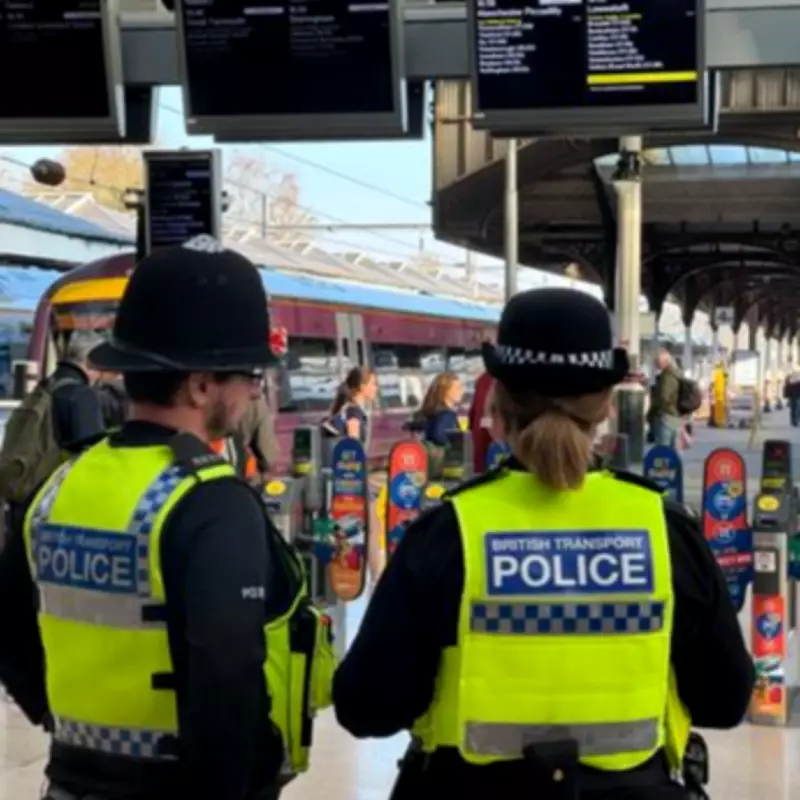
A BTP spokesperson condemned violence against transport staff, stating: "No person on the rail network should ever be subjected to violence or abuse, especially rail staff who are simply doing their job. We take assaults towards members of rail staff extremely seriously." The spokesperson encouraged reporting through dedicated channels while acknowledging ongoing collaboration with TfL to address these challenges.
The London Assembly investigation has highlighted an urgent need for systemic improvements to protect the thousands of transport workers who keep London moving daily. With violence against staff remaining persistently high despite some reductions, stakeholders recognize that comprehensive solutions must address both immediate safety concerns and long-term reporting and response mechanisms.