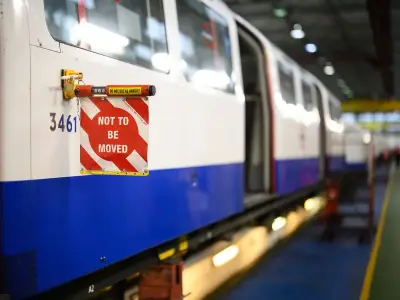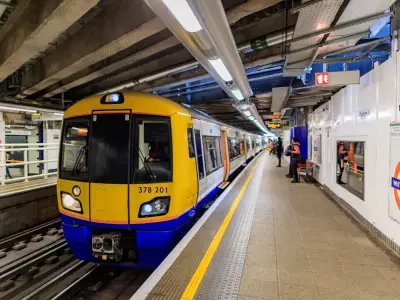
Transport for London (TfL) has released the complete schedule of closures for the Piccadilly line from May to November 2026. These closures are necessary to facilitate essential upgrades and testing of a new fleet of trains, which are set to enter service from December 2026.
Why Are the Closures Happening?
The closures will allow TfL to upgrade power supplies, tracks, platforms, depots, and sidings, while also testing the interaction of the new trains with existing infrastructure. The new trains, part of a £3.4 billion investment, will replace the current fleet that has been in service since 1975. They feature walk-through carriages, wider double doors, enhanced digital displays, CCTV, and air-conditioning—a first for deep-level Tube lines.
Work already completed includes weight-load testing with a 68-tonne test train covering 400 km, and platform modifications at 119 stations to accommodate the longer trains with different door placements.
Full List of Closure Dates
- May 28-31 (Thursday to Sunday): Closure between Acton Town and Heathrow, and Rayners Lane to Uxbridge.
- July 30-31 (Thursday-Friday) and August 3 (Monday): Closure between Cockfosters and Uxbridge.
- August 1-2 (Saturday-Sunday): Closure between Cockfosters and Heathrow.
- August 18-20 (Tuesday-Thursday): Closure between Cockfosters and Uxbridge.
- August 25-27 (Tuesday-Thursday): Closure between Cockfosters and Uxbridge. During these closures, the Metropolitan line will operate normally between Rayners Lane and Uxbridge.
Most closures are scheduled for weekends, starting at 12:30 am on Saturdays and running until end of service on Sundays, affecting Friday Night Tube services. Weekday closures are timed during school holidays to minimize disruption.
Additional Weekend and Full Line Closures
Further weekend closures will occur on various dates from June to November, with three full line closures (no service on the entire Piccadilly line) planned. TfL advises passengers to check the TfL Journey Planner or TfL Go app for real-time updates and allow extra travel time.
Benefits of the New Trains
The new fleet will increase capacity by 10% and allow frequency to rise from 24 to 27 trains per hour, boosting peak capacity by 23% in central London. The trains are lighter, consuming 20% less energy, and provide a smoother ride. Four trains are currently being tested overnight and during weekend closures, with daytime testing expected soon.
Stuart Harvey, TfL’s Chief Capital Officer, stated: "Introducing a new fleet is a huge engineering feat requiring upgrades and testing. While much work is behind the scenes, we need to close sections to ensure the new trains operate effectively. Once completed, customers will benefit from these game-changing trains."
For the latest updates, sign up for the London Underground newsletter.