Transport for London (TfL) has quietly admitted that the Mayor of London's pledge to end bus deaths by 2030 is impossible. Ten people were killed in accidents involving a London bus in 2025, a reduction from the 13 fatalities recorded in 2024, but still short of the target.
Vision Zero scheme fails to deliver
In 2017, Sir Sadiq Khan and TfL launched the 'Vision Zero' scheme as part of a wider push to make the capital's public transport safer, greener and more reliable. Announcing the scheme, TfL described it as a "radical change to how London approached road danger", but bus deaths have hardly changed in the nine years since.
Some 12 fatalities were recorded in 2017, rising to 12 in 2018 before dropping slightly to 10 in 2019 and reducing further as the COVID pandemic led to the number of road users plummeting. But while deaths involving a London bus remained between six and nine during and just after the pandemic, they jumped back to 13 in 2024 - the highest it has ever been in Sir Sadiq's mayoralty.

Five safety plans introduced, little impact
During this nine-year period, TfL and City Hall have introduced five separate safety plans and strategies in a push to lower deaths and collisions involving London buses. The most recent, in June this summer, pledged to make bus interiors safer to prevent trips and falls, and also improve bus technology, which will now intervene to prevent a bus from moving off if a pedestrian or cyclist is immediately in front.
But less than three months after the new bus safety standard was announced, TfL has quietly admitted it is not on track to achieve the Mayor's goal. In agenda papers presented to the authority's safety and security panel, this admission was made, with greater focus now on the second Vision Zero aim of ending all London transport deaths by 2041.
Driver conditions under scrutiny
Many London bus drivers believe their "inhumane" working conditions need to be addressed as part of this push to lower fatalities. Throughout the summer, strikes and demonstrations have been held over being forced to work in 50C cabs without air conditioning, being made to start work again just 10 hours after a previous shift finished, and not having access to a toilet at either end of their route.
TfL and Sir Sadiq announced last week that all London buses will be fitted with proper air conditioning by May next year, but campaigners believe the other issues need to be addressed if the roads are to become safer for drivers, passengers and pedestrians alike.
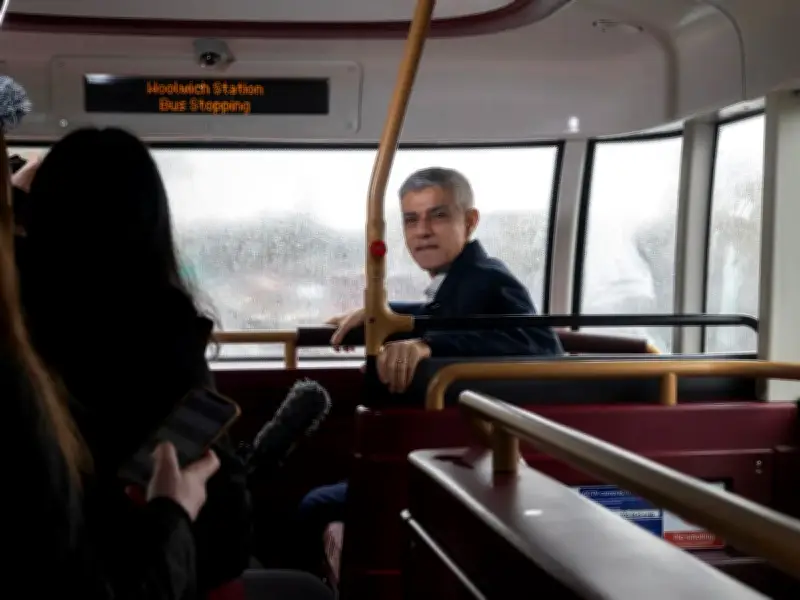
Responding to MyLondon, a spokesperson for the Mayor insists that City Hall and TfL remain committed to eliminating deaths linked to London buses by 2030, despite TfL's earlier admission. "Although great progress has been made to make our bus network safer, the Mayor has always said that there is more work to do," the spokesperson added.
"Along with TfL, the Mayor is committed to improving safety across every aspect of the bus network – including tougher safety standards, improved bus design, new technologies to support safer driving, and strengthened measures to tackle driver fatigue and distraction."