The Ghost Stations of London: A Northern Line Extension That Never Happened
London's iconic Underground network, with its 272 stations across 11 lines covering 402 kilometers of track, stands as one of the world's most extensive metro systems. However, this sprawling network could have been even larger. A fascinating chapter in transport history reveals plans for three additional stations that were never added to the Tube map.
The Ambitious 1930s Northern Heights Plan
In the 1930s, London Transport proposed a significant extension to the Northern line's Mill Hill East branch. This ambitious project, known as the 'Northern heights line', aimed to stretch the network northwest beyond Edgware station. The extension would have connected the two branches of the Northern line while serving new communities in North London.
The proposed route would have begun at Mill Hill East, stopping at the old Mill Hill station before continuing through Edgware station. From there, it would have proceeded to three brand new stations: Brockley Hill, Elstree South, and Bushey Heath. Bushey Heath was planned to serve as the new terminus for the Northern line, significantly extending its reach into Hertfordshire.

Physical Evidence of What Might Have Been
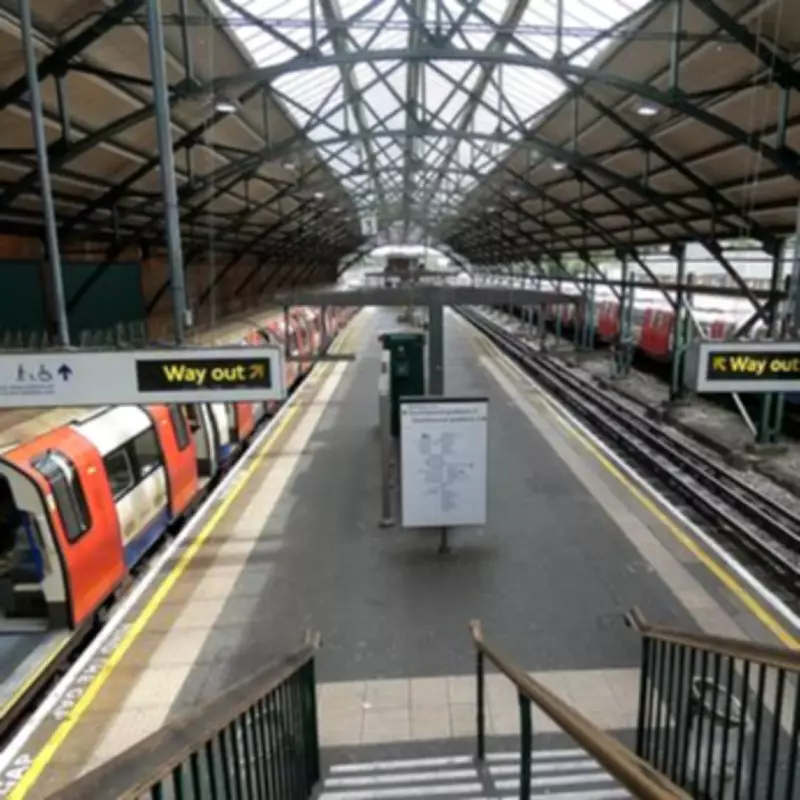
Remarkably, despite never being completed, tangible remnants of this abandoned project still exist today. At Edgware station, observant passengers can spot where the line continues through a tunnel at the end of the current platforms. More strikingly, at the intended site of Brockley Hill station, half-built arches that would have supported an elevated platform remain visible alongside an abandoned bus stop lay-by.
These physical artifacts testify to how advanced the planning and construction had become before the project's abrupt halt. Builders had already constructed significant tunnel sections and infrastructure, making the eventual abandonment particularly notable in London's transport development history.
The Dual Blows That Killed the Extension
Two major historical events conspired to doom this Northern line extension. First, the outbreak of the Second World War in 1939 brought construction to a standstill as resources were diverted to the war effort. The conflict created what proved to be an insurmountable disruption to the project's momentum.
Then, in the post-war period, new green belt legislation delivered the final blow. These regulations placed strict bans on housebuilding in the areas surrounding the proposed stations, effectively making them obsolete before they could open. With their intended passenger bases now legally prevented from developing, the project was formally scrapped in 1954.
The Sole Surviving Remnant
Today, the only substantial reminder of this lost extension is the partially constructed Brockley Hill station. Shortly after the project's cancellation, most of the structure was demolished, leaving only crumbling remains of what would have been the station's viaduct. These decaying arches stand as silent monuments to London's underground might-have-beens.
This abandoned extension represents one of the most significant 'what if' scenarios in London transport history. The three missing stations—Brockley Hill, Elstree South, and Bushey Heath—remain ghost entries on a Tube map that could have looked substantially different, serving communities that never developed as originally planned.