London could see 200 additional roads near schools become car-free during peak times as part of Transport for London’s (TfL) new walking and wheeling action plan. The plan, unveiled today, aims to encourage more Londoners to walk or use public transport instead of driving.
What Are London School Streets?
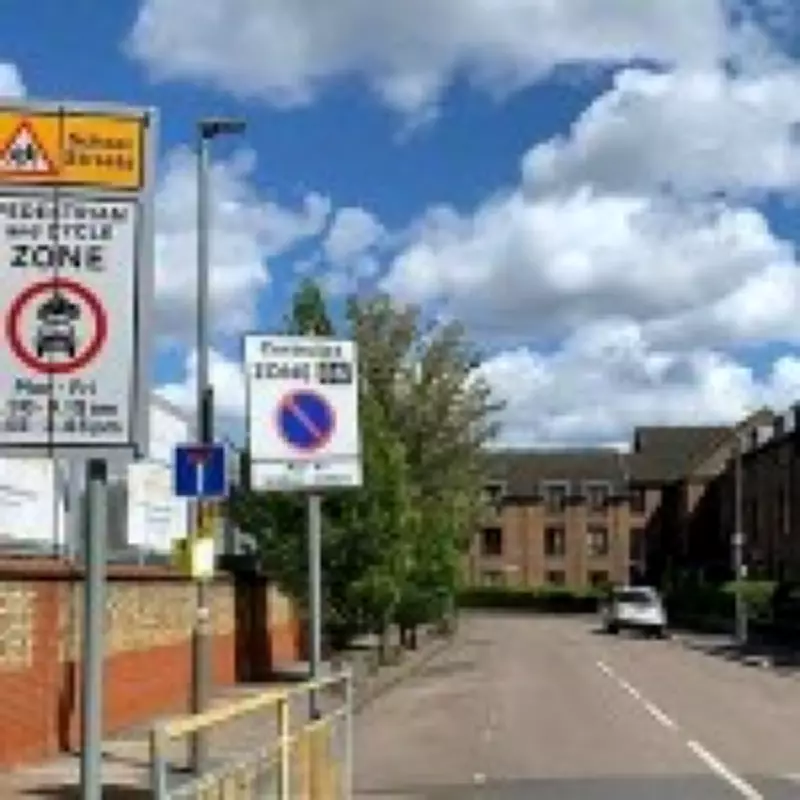
School streets are roads that limit or ban vehicle traffic during certain hours, typically at drop-off and pick-up times. They are enforced by number plate recognition cameras, with fines of £160 (reduced to £80 if paid within 14 days). Residents and businesses within the zone can apply for permits to be exempt. As of April last year, over 800 London roads had this status, according to TfL.
The new proposal calls for boroughs to implement 200 more school streets, potentially benefiting around 1,000 schools. TfL said the expansion is designed to make walking the ‘first choice of travel to school for even more Londoners’ by reducing barriers like road danger.
Other Plans to Boost Walking and Cycling
Beyond school streets, the plan includes tackling pavement clutter caused by badly parked dockless rental bikes, which block access for disabled people and those with prams. TfL also proposes creating 1,000 new zebra crossings or signalised pedestrian crossings by 2031, and a new river walking route by 2029, linking existing paths, parks and neighbourhoods.
To improve women’s safety, more CCTV trials will be installed at bus stops, along with ‘women’s safety audits’ and a review of night-time transport.
Will Norman, London’s walking and cycling commissioner, said: ‘The Mayor and I are determined to make walking the safest, easiest and most enjoyable way of getting around London. This new plan will help us drive further progress in cleaning up our air and tackling congestion, with record amounts invested to support more Londoners in leaving the car at home and walking instead.’
Christina Calderato, TfL’s director of transport strategy, said Londoners are held back from walking by ‘safety concerns, poor crossings or inaccessible streets.’