Legal e-bikes are being caught in a policy muddle that fails to distinguish them from illegal, high-powered machines, according to Eilidh Murray, coordinator of London Cycling Campaign's (LCC) Women's Network. Writing for The Herald, Murray argues that Transport for London's (TfL) ban on non-folding e-bikes unfairly targets legitimate users while ignoring the real dangers posed by unsafe imports and illegal modifications.
Legal and illegal e-bikes are 'miles apart'
Murray, who is also deputy chair of LCC trustees, says legal e-bikes are a "game changer" for many people, enabling them to ride further and attempt trips they couldn't manage on an 'acoustic' bike. She cites examples like the overnight Dunwich Dynamo, cycling round Holland, and the annual ride to Southend. For some, e-bikes make cycling easier than walking, while others use them to tackle hills or avoid tiring at the end of a ride.
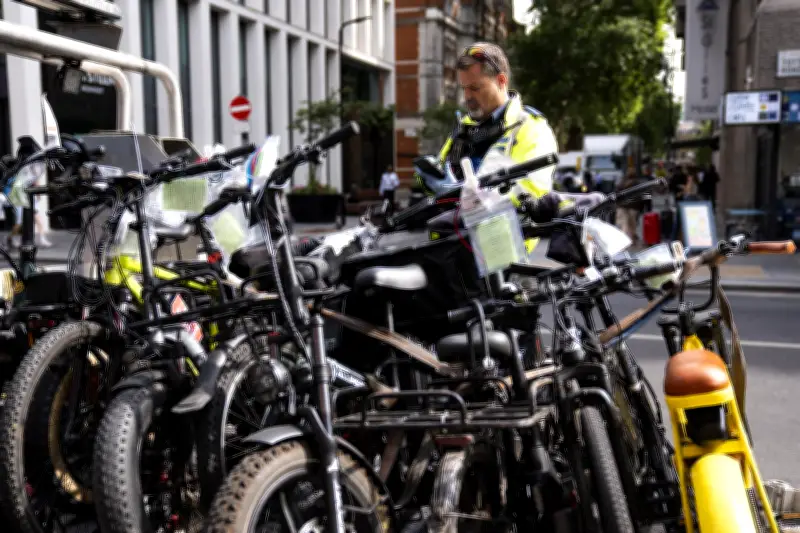
The key difference, she explains, is that legal e-bike assistance is limited to 15.5 mph, and their batteries are less likely to catch fire than cheaply manufactured ones with dodgy parts. Legal e-bikes are activated by pedalling, hence the term 'e-assist'. In contrast, illegal e-bikes are modified or high-powered machines more like motorcycles, often imported or modified without adequate speed or safety checks, with questionable batteries sometimes gaffer-taped to the bike.
Illegal e-bikes linked to crime and fires
Murray notes that some electric motorcycles are designed to look like bikes, possibly to sidestep regulations requiring registration, tax, and insurance. These illegal machines are sometimes used by food delivery riders under pressure to make more deliveries while having to source and maintain their own vehicles. She criticises big delivery companies for turning over large profits without being held accountable for the safety of vehicles, riders, or streets.
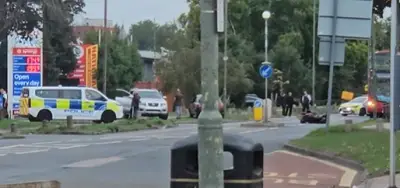
Illegal e-bikes are also used for quick getaways by phone snatchers, and cases of fires caused by exploding illegal e-bikes in homes and waste recycling centres are increasing, she says.
TfL ban 'singles out' non-folding e-bikes
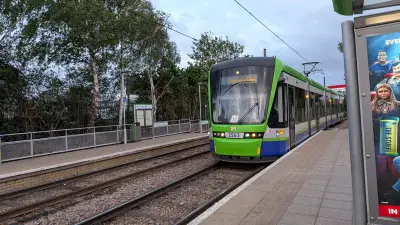
Murray argues that this muddling of legal and illegal e-bikes has crept into transport policy. She points to TfL's ban on non-folding e-bikes, asking why folding e-bikes, which can also be tampered with, are not singled out. The ban prevents her from using her bike for rides starting outside London, where she previously took the train.
"Surely regulation should target the risks – unsafe imports, illegal modifications, and the companies profiting from their use – rather than restricting legitimate e-bike users," she writes. Murray calls on TfL to reconsider and allow safe, legal e-bikes back onto its services, describing the situation as "an unnecessary muddle" that lawmakers can still untangle.