Two hours inside Medivet, a 24-hour emergency vet hospital in Kensington, revealed a world far more intense than expected: a dog undergoing surgery for a broken leg, a £2,000 emergency bill, and a 3am decision to give extra pain relief. The visit, which included observing procedures and speaking with practice manager Grace Sheppard, highlighted how closely a modern veterinary practice mirrors a human hospital.
Hospital-Grade Equipment and Complex Procedures
The facility is equipped with MRI and ultrasound machines, blood analysis equipment, and X-ray capabilities, with vets and nurses working around the clock. Watching a vet operate on a dog's broken leg, inserting plates, was both awe-inspiring and shocking due to the precision required on such a small limb. Dental extractions were also on the day's schedule, reminding the journalist of their own wisdom tooth removal.
Beyond the technology, the emotional weight of the job was most striking. The bond between staff and patients was evident, as was the relief on owners' faces when their pets were brought back to them. The journalist concluded that animals are far tougher than humans.
The Financial Strain on Pet Owners
Grace Sheppard, practice manager, shared stories of owners struggling with rising care costs. One dog required emergency treatment with a current bill of £2,000, which the owner said they could not manage. In such cases, vets attempt to refer the pet to a charity or alternative support, but the attachment nurses form with the animals makes these decisions particularly difficult.
"You can tell when the owners really care, but sometimes they just don't have enough money. It's our obligation to always be transparent with our pricing. However, sometimes, it's 3am and in extreme pain, the vet will try to call and get no answer. They will then give them extra pain relief. When the owners come in the next day, they will complain about us giving that extra relief, but the pet needed it," Grace told the journalist.
Emotional Moments and Everyday Challenges
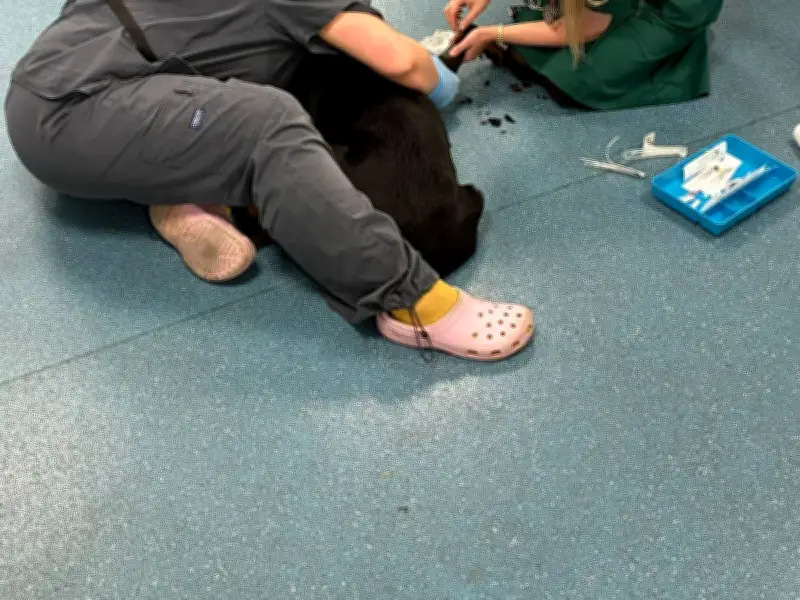
Watching reunions between owners and pets was heart-warming, with tails wagging in excitement. The journalist also observed a catheter being inserted into a Rottweiler, who remained calm throughout, a stark contrast to what the journalist imagined their own reaction would be.
Strays brought in by concerned residents hoping for adoption were also part of the day. The journalist learned to spot signs of anxiety in dogs, such as constant pacing or ears down, and noted the smell of diarrhoea as a memorable aspect of the shift.
A Consultation and a Final Reflection
A consultation with Dr Miranda involved Bella, a small dog with scabs around her private area, which her owner humorously suspected was due to 'up to no good'. The process of identifying the issue and recommending treatment was educational. The journalist also touched a sphinx cat for the first time, comparing the sensation to the outside of a peach.
The experience underscored that pets are a luxury requiring potentially expensive care. The similarities between the vet hospital and a human hospital were endless, but the standout realisation was that animals are definitely tougher than the journalist.