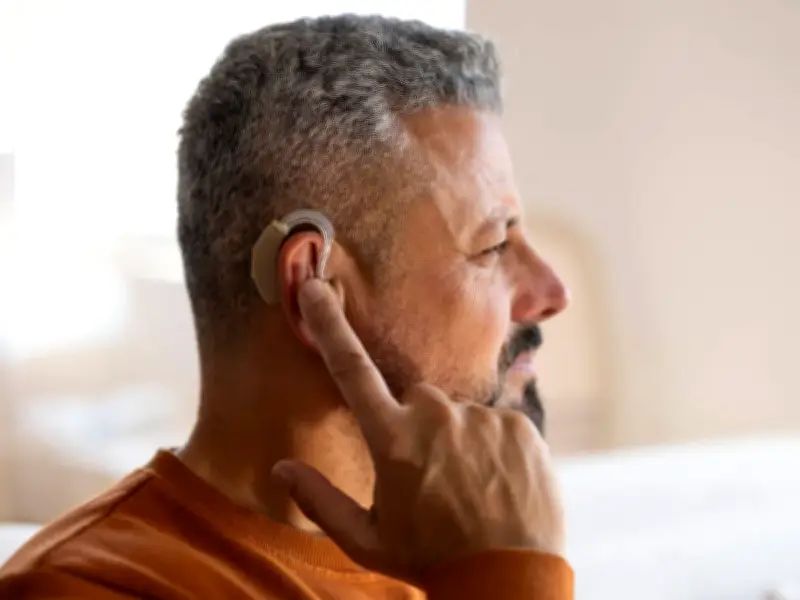
The Department for Work and Pensions (DWP) has published a list of 14 hearing-related conditions that could make individuals eligible for Personal Independence Payment (PIP). PIP is a benefit designed to help with extra living costs for people aged 16 and over who have a long-term physical or mental health condition or disability and struggle with everyday activities or mobility because of their condition.
How PIP is structured and what you could receive
PIP is split into two parts: daily living and mobility. The daily living component assesses your ability to manage tasks like washing, dressing, and preparing meals. The mobility component looks at how your condition affects your movement and transport needs.
Payments vary depending on individual needs. The daily living component pays £76.70 per week at the lower rate and £114.60 at the higher rate. The mobility component provides £30.30 per week at the lower rate and £80 at the higher rate. This means eligible claimants in England and Wales could receive up to £194.60 weekly if they qualify for the higher rate of both components.
The 14 hearing conditions listed by the DWP
The DWP recorded these hearing conditions as the main disabling condition on approved PIP claims in the most recent quarterly figures up to July 2026. The list includes:
- Chronic secretory otitis media
- Chronic suppurative otitis media
- Conductive hearing loss - Other causes of / type not known
- Conductive hearing loss due to Trauma
- Mastoiditis
- Otitis externa - chronic
- Otosclerosis
- Deafness - congenital
- Labyrinthitis
- Menieres disease
- Sensorineural hearing loss - Other causes of / type not known
- Sensorineural hearing loss due to Trauma
- Hearing loss - mixed
- Disease affecting hearing & balance - Other/ type not known
Numerous claimants were granted the enhanced rate for both components, according to the figures.
Eligibility is based on impact, not just diagnosis
It is important to note that PIP is not awarded simply because of a particular diagnosis. Eligibility is determined by how a long-term health condition or disability impacts a person's ability to perform specific daily living and mobility tasks.
The DWP conducts this assessment with independent medical expertise. The list is not exhaustive, so individuals should not be discouraged from submitting a claim if their condition is not included.