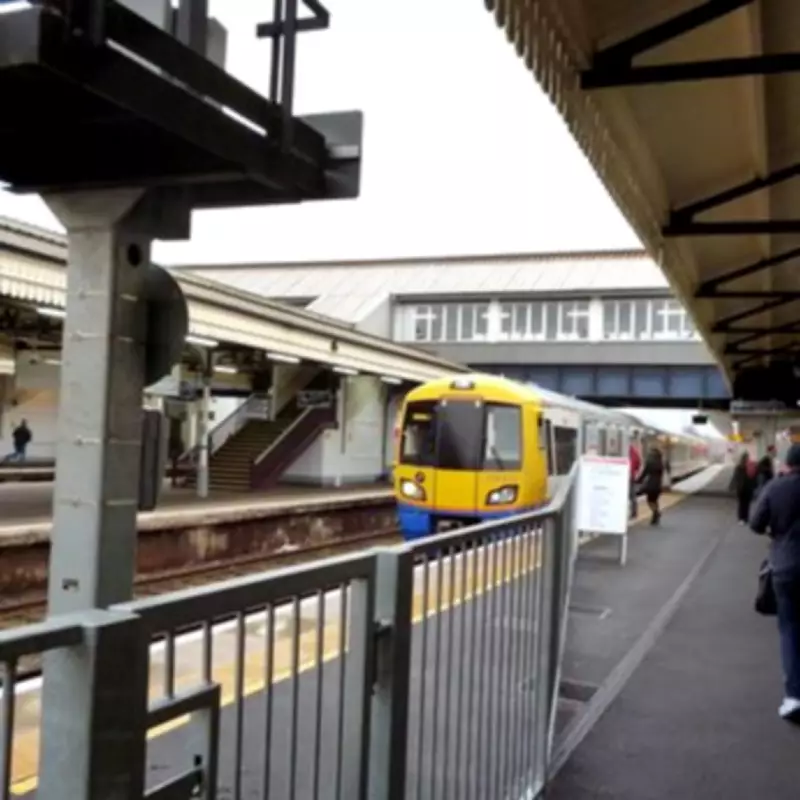
A historian has provided a fascinating insight into why Clapham Junction, one of Europe's busiest railway stations, bears the name of a neighbourhood it is not actually located in, describing the situation as "a bit rubbish." This naming decision was reportedly made to make the station sound more upmarket and avoid association with its true area.
The Busy Hub with a Misleading Name
If you have travelled into London from Surrey, Sussex, or Hampshire, you have likely passed through the extensive network of Clapham Junction station. With an impressive 17 platforms and six junctions offering connections across Southern England, it ranks among the continent's most heavily used railway stations. However, a walk through the station reveals a layout that is far from ideal, especially compared to more pleasant terminals like Paddington.
A Chaotic Experience for Travellers
First-time visitors might be shocked by the grubby tunnel underneath the tracks, which descends into pandemonium during rush hour, bank holidays, or match days at nearby venues like Stamford Bridge and Twickenham. This chaos is particularly unavoidable for those heading towards the Grant Road exit, making for a less than welcoming arrival in the capital.

Why the Name Clapham Junction?
In a TikTok clip, historian @ali.unoriginal explained the perplexing design and naming of the station, attributing it to "bad planning, history and capitalism." He elaborated that railways have existed at the site since 1838, and by 1963, five different railway companies were using the interchange. That year, these companies collaborated to build Clapham Junction, but it has been a logistical mess ever since.
The key reason for the name lies in historical perceptions of the areas. The station is definitively located in Battersea, which was once a rural farming area that the Victorians transformed into a more working-class neighbourhood. In contrast, Clapham was affluent, rich, hip, and trendy during that era. The station was named after Clapham to bluntly attract people and avoid the less desirable connotations of Battersea.
Other Examples of Misleading Names
Clapham Junction is not alone in this practice. Arsenal Tube station is another example, having been named after a totally different area. It was originally called Gillespie Road for years but was renamed after Arsenal FC moved to North London from Woolwich in the southeast. Interestingly, Arsenal FC is now actually closer to Highbury and Islington station, adding another layer of confusion for travellers.
This naming strategy reflects a broader trend in London's transport history, where stations have been rebranded to appeal to more affluent demographics or to align with popular landmarks, often at the expense of geographical accuracy. It highlights how capitalism and historical biases have shaped the city's infrastructure, leaving a legacy of misleading names that continue to puzzle passengers today.