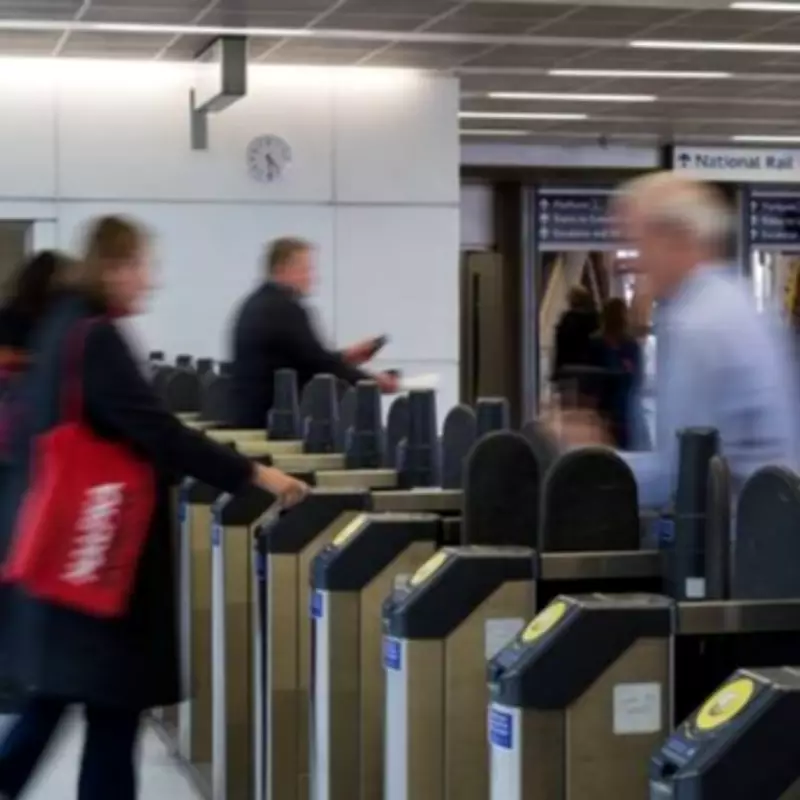
Blackfriars station stands as one of London's most remarkable transport hubs, boasting a unique geographical distinction that many residents may not even realize. This major station operates under two separate postcodes – EC4V on the northern bank and SE1 on the southern bank – making it a truly cross-river facility that connects different parts of the capital in more ways than one.
A Rich Historical Legacy
The station's history dates back to its original opening in 1864 on the southern bank of the Thames. Over the decades, Blackfriars has undergone numerous transformations, including relocation to the opposite side of the river, multiple name changes, bridge replacements, and continuous modifications to its railway services. This evolutionary journey has created a transport facility with layers of historical significance.
The Thameslink Transformation
The most significant modern development occurred as part of the Thameslink Programme, a comprehensive £7 billion nine-year scheme designed to upgrade the cross-London railway line. This ambitious project fundamentally reshaped Blackfriars station between 2009 and 2012, addressing previous limitations that restricted trains to just eight carriages.

The station now accommodates impressive 242-meter-long 12-carriage trains, dramatically increasing capacity to meet growing passenger demand. This expansion required extended platforms and additional space throughout the facility, transforming Blackfriars into a modern transport interchange capable of handling significantly higher volumes of commuters and travelers.
Architectural and Operational Features
One of the station's most notable additions was the creation of a southern entrance in 2011, complementing the existing northern access points. This strategic enhancement provides crucial step-free train-to-street access and improves passenger flow throughout the station. Without this vital improvement, the surge of passengers from the longer trains would have created dangerous overcrowding in the previously restricted spaces.
Blackfriars station offers passengers stunning views along the River Thames, with some services actually running across the bridge itself. The station's design incorporates both practical functionality and aesthetic appeal, creating a transport experience that combines efficiency with visual pleasure.
Preserving Historical Elements
For transport history enthusiasts, Blackfriars contains a particularly fascinating feature. The concourse on the northern bank preserves a section of original station stonework from the late nineteenth century. This historical artifact displays destinations that passengers could book tickets to during that era, including various locations across mainland Europe, offering a tangible connection to London's transport heritage.
London's Transport Landscape
While Blackfriars boasts unique cross-river characteristics, other London stations hold their own distinctive records. Baker Street station, for instance, features ten platforms dedicated solely to Underground services, making it the leader in platform numbers for Tube stations. Interestingly, Baker Street also holds the title of world's oldest underground station, dating back to 1863 with the opening of the Metropolitan Railway.
This historical station has earned the nickname 'The Cathedral' due to its giant arches that loom above the platforms, creating an architectural presence that complements its functional role in London's transport network. Together, stations like Blackfriars and Baker Street represent the rich tapestry of London's transportation history, blending historical significance with modern functionality to serve the capital's millions of daily commuters.