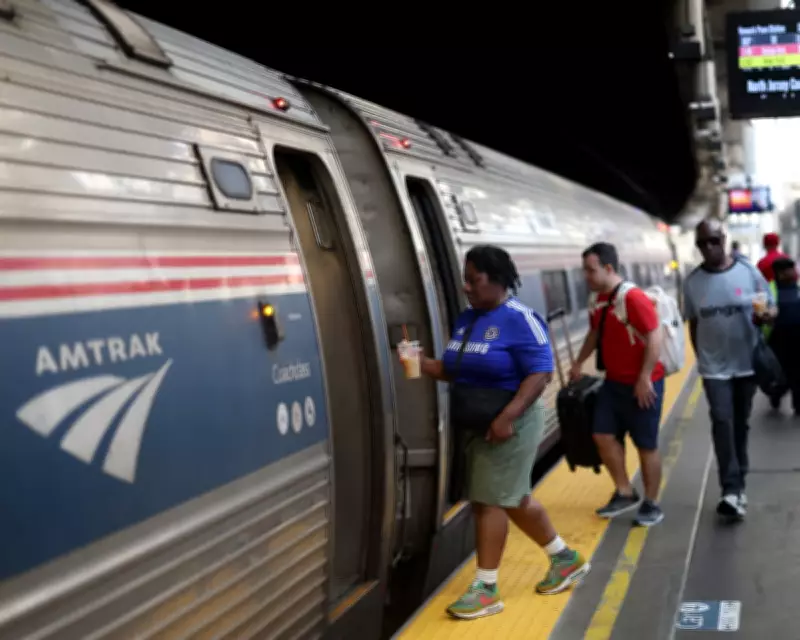
Amtrak is smashing ridership records, but questions remain about its readiness for the 2026 World Cup. The United States rail system, while boasting a dedicated customer base, remains a niche option for most travelers, especially during a major global event.
Sebastian Caillat experienced the unique social dynamic of Amtrak firsthand. In 2023, he sat next to a dentist on a ride from New York to Washington DC, discussing the costs of dental technology. He later rode from New York to Philadelphia for a Club World Cup match, where Brazilian fans filled the train with chants, banners, and green powder. “It was a really, really fun experience,” Caillat said. For this summer’s World Cup, he plans to attend matches along the Northeast Corridor, including Brazil vs. Haiti in Philadelphia on June 19.
The World Cup could bring up to 10 million visitors to the US, putting Amtrak in the spotlight. The carrier broke ridership records two years in a row, reaching 34.5 million passengers in 2025. However, the system faces challenges: it relies on freight-owned tracks in many areas, faces potential budget cuts, and the Northeast Corridor is near capacity.
Northeast Corridor: The Backbone
Most Amtrak ridership comes from the Northeast Corridor, which saw 15 million riders in 2025 and operates about 150 trains daily. With 21 matches in Boston, New York/New Jersey, and Philadelphia, this 457-mile stretch is vital. Fans from Washington DC can reach Philadelphia in two hours or New York in three.
Cascades Route
The Cascades route connects Seattle and Vancouver, with two daily trains. Seattle Stadium is a 10-minute walk from King Street Station. Amtrak’s World Cup co-lead, W Kyle Anderson, reports increased bookings around gamedays. Portland residents can reach Seattle in three hours.
Amtrak has invested $30 million in Northeast Corridor infrastructure, including track upgrades and the new Portal North Bridge. New Acela trains hold 27% more passengers, and additional coach cars are being added. Construction work is paused on gamedays.
Pricing and Competition
Amtrak’s dynamic pricing remains unchanged for the World Cup. A same-day round trip from DC to New York for the final costs $160, comparable to a flight at $177. Brightline, a private Florida service, offers Orlando-to-Miami trips for $260, similar to flights but pricier than high-speed trains abroad. Anderson compares the World Cup to Thanksgiving, Amtrak’s busiest period.
Challenges Beyond the Northeast
Service lags in other regions. Direct routes between Dallas and Houston were canceled in 1995; the trip now takes 23 hours by train. Los Angeles to Seattle takes 34 hours. Congress consistently underfunds Amtrak, and the Trump administration proposed an 82% cut to passenger rail funding. New Airo trains won’t arrive in the Pacific Northwest until after the tournament.
Kansas City is adding cars to two trains during the World Cup. California’s Pacific Surfliner has improved, but LA to San Jose takes nine hours, despite high-speed rail plans. Peer countries like France and Spain offer faster, cheaper options.
Fan Experience
Danny Navarro, who runs TravelFutbolFan, advises fans in the northeast to use Amtrak. He hoped Colombia would play in Group I for easy train access, but they are in Group K with matches in Miami and Mexico. France fans traveling between Boston, New York, and Philadelphia will likely find Amtrak convenient. “I highly anticipate the French fanbase to basically paint those trains blue,” Navarro said.