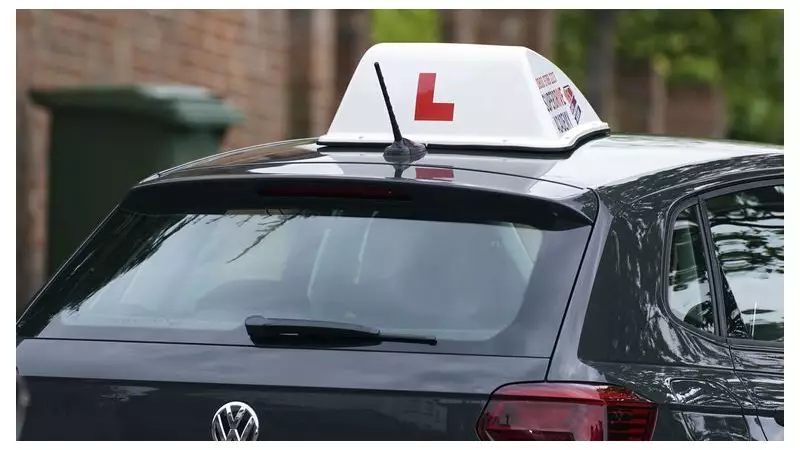
The government's long-awaited strategy to reduce deaths on Britain's roads has been published, but it is already facing significant criticism from road safety campaigners and bereaved families who argue it does not go far enough to protect young motorists.
Strategy Details and Immediate Criticism
Published on Wednesday 7 January 2026, the Road Safety Strategy outlines the first major reforms in nearly two decades. Key measures include plans for mandatory eye tests for drivers over the age of 70 and a consultation on introducing a minimum learning period of up to six months before taking a driving test.
Perhaps the most notable proposal is to lower the drink-drive limit in England and Wales. The current limit of 35 micrograms of alcohol per 100ml of breath is the highest in Europe and has remained unchanged since 1967. The strategy suggests reducing it to 22 micrograms, bringing it in line with Scotland, which changed its law in 2014. Drink-driving was a factor in one in six UK road fatalities in 2023.
However, for families who have lost loved ones in crashes involving young drivers, the strategy represents a profound disappointment. Nicole and Chris Taylor, whose 18-year-old daughter Rebecca died in a Northamptonshire crash in 2008, were blunt in their assessment.
"If the government thinks this is enough for us - it's not enough, there's a lot more that should have been done and can be done," said Nicole Taylor. Her husband Chris added that while a longer learning period was a good idea, "we have to let young drivers on their own at some point, therefore we need to protect them when that happens."
The Call for Graduated Driving Licences
The Taylors, along with hundreds of other families, have campaigned for years for the introduction of Graduated Driving Licences (GDL). This system, used in countries like Australia and Canada, places restrictions on newly qualified drivers for their first months on the road. These can include limits on the number of young passengers they can carry and bans on driving late at night—factors frequently linked to serious collisions.
Edmund King, the president of the AA, told Sky News the strategy was "welcome" and "ambitious" but agreed it fell short on protecting young people. He highlighted the missed opportunity to implement a key GDL measure.
"We've spoken to colleagues in Canada and Australia about GDLs and the one measure that they all tell us saves the most lives is limiting the number of same age passengers in a car for six months," King said. "We think that would have been a small price to pay and would save over 50 lives a year, so I think it is a missed opportunity."
Official statistics underscore the urgency: drivers aged 17-24 are involved in nearly a quarter of all deaths and serious injuries on British roads, despite constituting only about 6% of all licence holders.
Government Ambition and Future Oversight
Despite the criticism, the government has framed the strategy as a decisive turning point. Transport Secretary Heidi Alexander stated, "Every life lost on our roads is a tragedy that devastates families and communities. For too long, progress on road safety has stalled. This strategy marks a turning point."
The government's goal is to reduce road deaths and serious injuries by 65% by the year 2035. Alexander claimed the announced measures would save thousands of lives over the coming decade.
Other elements of the strategy include exploring preventative technology like alcohol interlock devices—breathalysers connected to a vehicle's ignition. A new Road Safety Board, chaired by the minister for local transport, will also be created to oversee the delivery of the plan.
While the proposed changes to the drink-drive limit and learning periods are significant, the loud consensus from safety groups and affected families is that the strategy lacks the bold, evidence-based reforms needed to make a decisive impact on the tragic toll of young driver fatalities.