Confronting London's Most Daunting Roundabout
London's reputation as a challenging city for drivers is well-earned, and few places embody this more than the Hanger Lane Gyratory. In a recent personal experiment, I decided to take on this infamous junction, widely regarded as one of Britain's worst roundabouts according to a survey by national recovery firm 24/7 Home Rescue. This complex system of exits, lanes, and slip roads is feared by many for its intimidating design and relentless traffic flow.
A Journey Fraught with Delays
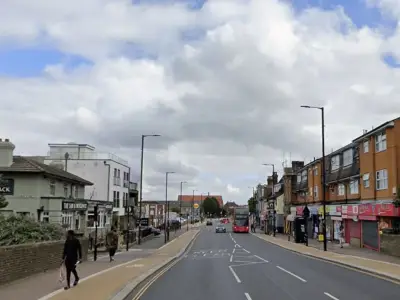
Setting off from Vauxhall with an estimated 45-minute drive to Ealing, the reality quickly proved far more grueling. After the promised time had elapsed, I found myself still stuck in Wandsworth, having not even crossed the River Thames. The journey stretched to over two hours, weaving through areas like Clapham, Earlsfield, Earl's Court, and Shepherd's Bush before reaching Acton. Along the way, I encountered a typical cross-section of London road users: van drivers, aggressive 4x4 operators, reckless cyclists, and hesitant elderly motorists.
In Acton, a van suddenly pulled out in front of me, forcing an emergency brake. At the next traffic lights, I exchanged tense glances with the driver but thought better of confrontation given his intimidating appearance. This incident underscored the stressful nature of London driving even before reaching the main challenge.
The Gyratory Experience
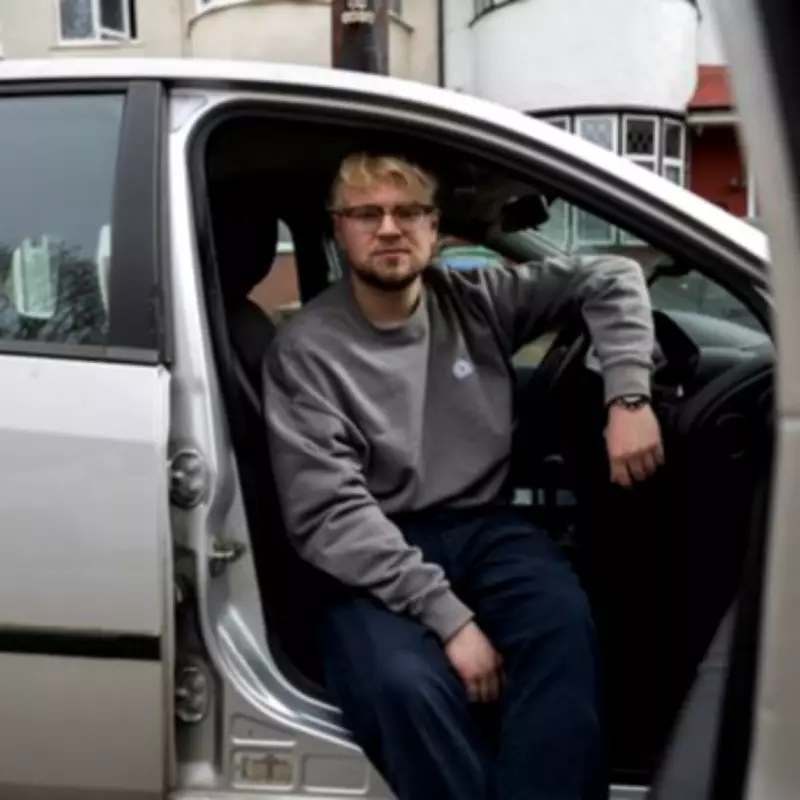
Finally arriving at Hanger Lane, I met photographer Facundo Arrizabalaga at a local McDonald's, where he was nursing a lukewarm coffee on his 27th wedding anniversary. After a brief respite, we approached the gyratory itself—a massive, rectangular, traffic-light-controlled roundabout connecting the A40 Western Avenue and A406 North Circular Road. With four to eight lanes of aggressive London drivers, the atmosphere was immediately tense.
Entering from Ealing Road, I was immediately surrounded by lorries and confused by the complex exit system. A roadside map offered little help since I was already disoriented. Cars cut me off, horns blared, and the pressure mounted as I navigated the labyrinthine junction. Maintaining composure was crucial as I checked mirrors for lane-cutters and carefully followed the flow.
Surviving the Challenge
Miraculously, I emerged unscathed onto the A40 heading toward Ealing, feeling a mix of relief and accomplishment. The experience confirmed the gyratory's reputation as a 'malfunction junction' that tests even competent drivers. The design, with its multiple lanes and confusing exits, creates a perfect storm of stress and potential danger.
This personal test highlights broader issues with London's road infrastructure. While the city continues to develop, junctions like Hanger Lane Gyratory remain bottlenecks that frustrate drivers and compromise safety. The name 'gyratory' itself seems fitting—evoking a sense of being spun into chaos rather than offering clear navigation.
For those who must regularly traverse this junction, the experience is a daily trial. For visitors or occasional drivers, it serves as a stark reminder of why London driving can feel like hell on earth. As I dropped off the photographer, hoping he'd make it home for his anniversary, I reflected on how such infrastructure shapes our urban experience—and why improvements are desperately needed.