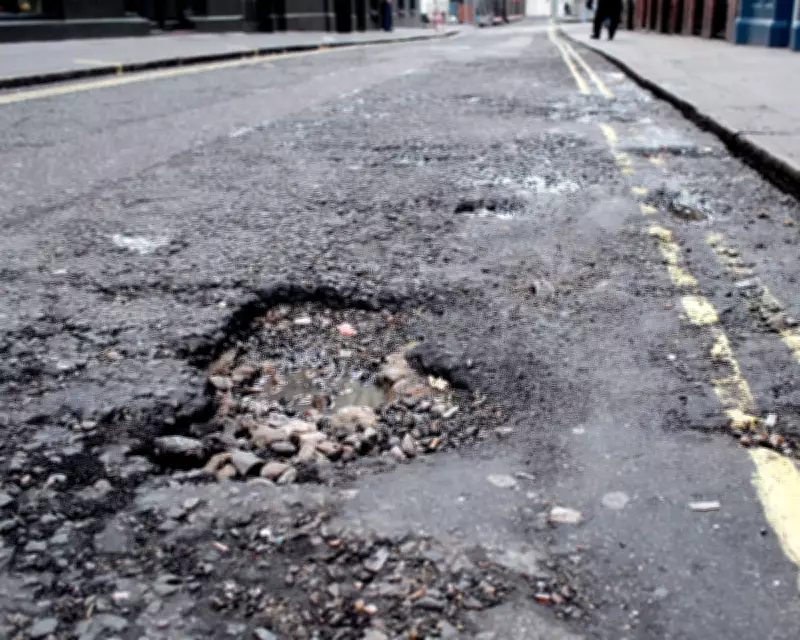
Britain's pothole problem is escalating, with local councils struggling to keep up with the growing number of road defects. Despite increased government funding, experts warn that there is no quick fix to the crisis, which has been exacerbated by years of underinvestment and extreme weather conditions.
The Scale of the Problem
According to the Asphalt Industry Alliance, local authorities in England and Wales need to spend nearly £14 billion to bring roads up to scratch. Currently, councils repair potholes at a rate of around one every 20 seconds, but the backlog continues to grow. The situation is particularly severe in rural areas, where roads are often narrower and more susceptible to damage.
Impact on Drivers and Cyclists
Potholes are not just an inconvenience; they pose serious safety risks. Drivers face damage to tyres, wheels, and suspension, leading to costly repairs. Cyclists are especially vulnerable, with potholes causing accidents and injuries. The RAC reports that breakdowns due to potholes have risen by 25% in the past year, highlighting the urgent need for action.
Why Is It So Hard to Fix?
Several factors contribute to the difficulty of solving the pothole problem. First, the UK's road network is one of the oldest in the world, with many roads built before the advent of modern traffic volumes. Second, climate change is causing more frequent freeze-thaw cycles, which accelerate road deterioration. Third, temporary repairs often fail, leading to repeated work and wasted resources.
Funding Shortfalls
While the government has allocated £500 million for pothole repairs in 2024-25, councils argue this is insufficient. The Local Government Association estimates that the funding gap for road maintenance is £1.2 billion per year. Without a long-term funding commitment, councils are forced to patch up roads rather than resurface them, leading to a cycle of decline.
Innovative Solutions
Some councils are turning to new technologies to tackle the problem. For example, some are using self-healing asphalt that uses bacteria to repair cracks, while others are trialling recycled plastic roads. However, these solutions are still in the early stages and may take years to become widespread.
What Needs to Change?
Experts argue that a comprehensive strategy is needed, including increased and ring-fenced funding, better planning for long-term resurfacing, and adoption of innovative materials. Additionally, improved data collection on road conditions could help prioritise repairs. Without such measures, Britain's pothole problem is likely to worsen, impacting safety and the economy.
In conclusion, while there are no quick fixes, a sustained investment and a shift towards preventative maintenance could eventually smooth the way for British roads.