With just one week remaining until the opening ceremony of the Milano Cortina 2026 Winter Olympics, a critical piece of transport infrastructure is facing serious delays, casting a shadow over the event's logistics in the iconic Dolomite resort.
Apollonio-Socrepes Lift Unfinished Amid Safety Concerns
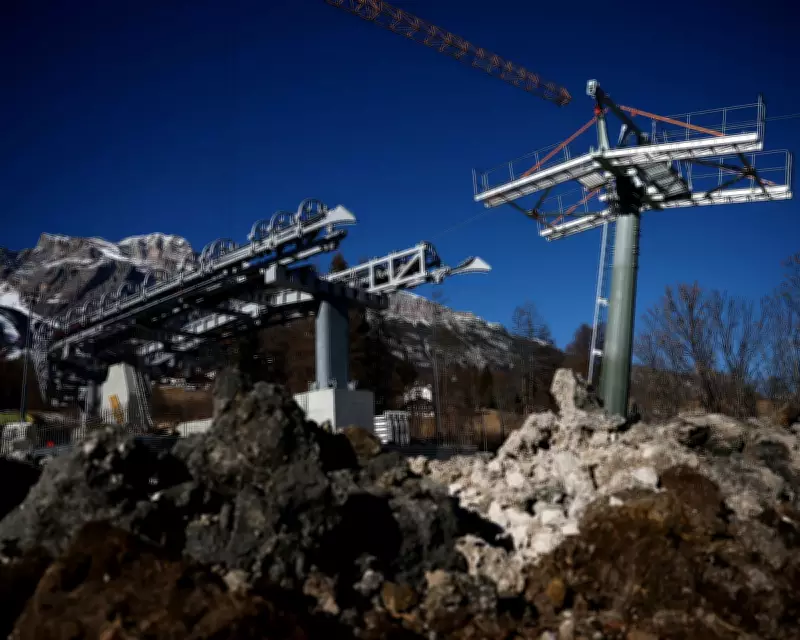
The Apollonio-Socrepes cable car, designed to ferry spectators from the heart of Cortina d'Ampezzo directly to the Alpine skiing slopes, remains incomplete as the Games approach. This lift has been a focal point of controversy since its inception, with construction starting behind schedule and local residents voicing safety apprehensions due to its placement in an area historically susceptible to landslides.
Conflicting Reports from Officials
Simico, the state-backed agency overseeing Olympic infrastructure, asserted on Friday that work on the cable car is progressing according to plan. However, in a previously unreported letter dated 29 January, Andrea Francisi, the chief Games operations officer, disclosed that Simico had informed organisers the day prior that the gondola lift would not be delivered within the intended timeframe.
Francisi emphasised in the correspondence that the cable car is an indispensable component of the Olympic mobility strategy for Cortina, which is also set to host curling, bobsleigh, luge, and skeleton competitions. "The loss of this strategic infrastructure, just ahead of the start of Olympic operations, creates significant organisational challenges," the letter stated, highlighting potential impacts on crowd management, security protocols, and the overall capacity of the transport system.
Organisers Propose School Closures as Contingency
In response to the uncertainty, Games organisers have urgently requested local authorities to close schools in Cortina on 10 and 12 February, with a possible extension to 11 February if feasible. This measure aims to alleviate strain on the town's transport network during peak Olympic activity days, described as "indispensable" for maintaining public order and ensuring functional mobility.
The organising committee has already limited ticket sales for Cortina events pending confirmation of the cable car's operational status. A spokesperson noted that released ticket numbers align with the capacity supported by road transport alternatives, underscoring the reliance on contingency planning.
Transport Challenges in a Historic Resort
Cortina d'Ampezzo, renowned as one of Italy's premier winter destinations and host of the 1956 Winter Games, faces inherent transport limitations. The town lacks a railway station, and access via the sole main road often experiences congestion during busy periods. With approximately 5,500 permanent residents, car travel remains the predominant mode of local transportation, complicating large-scale event logistics.
Broader Olympic Context and Developments
Meanwhile, other aspects of the 2026 Games continue to evolve. It was confirmed on Saturday that AC Milan's Serie A match against Como, initially considered for a venue in Australia, will now take place at San Siro on 18 February during the Olympics. This decision increases the number of Serie A fixtures scheduled in Milan during the Games to three, reflecting the multifaceted nature of hosting a global sporting event.
Simico released a statement on Saturday reiterating that work on the cable car is ongoing, with safety inspections for final commissioning planned for the upcoming week. The agency clarified that logistical matters such as school closures fall outside its jurisdiction, while the Milano Cortina organising committee has declined to comment further on the situation.
As the clock ticks down to the opening ceremony, the unresolved status of the Apollonio-Socrepes cable car exemplifies the intricate challenges of delivering Olympic infrastructure on time, balancing local concerns with international expectations in the spotlight of the Winter Games.