EU's New Biometric Border Checks Launch Tomorrow, Threatening Major Airport Disruptions
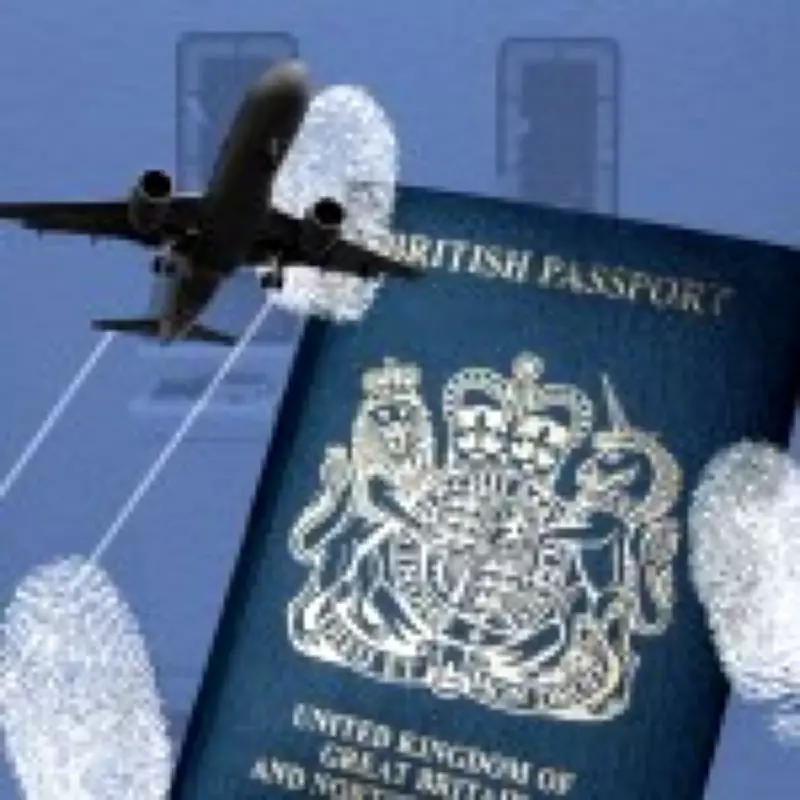
Holidaymakers and business travelers are bracing for significant disruptions as the European Union's new biometric Entry/Exit System becomes fully operational tomorrow, with warnings of airport delays potentially stretching to four hours at peak times. The system, which has been gradually rolling out since late 2025, will require all travelers from non-EU countries including the United Kingdom to undergo facial recognition scans and fingerprinting at EU border points.
What Travelers Need to Know About the New System
The Entry/Exit System represents a fundamental shift in how border controls operate across the European Union and Schengen area. This digital system completely replaces the traditional physical passport stamps that travelers have become accustomed to seeing in their documents. Instead, it creates a comprehensive digital record of each non-EU resident's entry and exit from the Schengen zone, which comprises 25 EU countries plus Switzerland, Norway, Iceland, and Liechtenstein.
Luke Petherbridge, director of public affairs at Abta, the travel agent and tour operator association, has issued stark warnings to travelers: 'What we have said to customers is that, because of the checks, you might need to prepare for delays with extra water and snacks.' The Home Office has echoed these concerns, advising travelers to allow substantial extra time on both sides of their journey.
How the Biometric System Will Operate
Under the new regulations, most travelers from outside the EU will be required to register their passport details along with biometric data during their first entry into an EU country. This biometric information includes:
- Facial photographs captured through specialized scanning equipment
- Fingerprints taken from all fingers
- Digital storage of entry and exit timestamps
Border points are being equipped with self-service kiosks where passengers can input this information themselves, though border officials will remain available to assist with the process and ask additional questions about accommodation, financial means, insurance coverage, and return travel arrangements.
Children are not exempt from these checks, though those under twelve years old will not need to provide fingerprints. All minors will still require facial scanning as part of the biometric registration process.
Potential for Extended Delays and System Challenges
Travel industry experts have expressed serious concerns about the system's implementation coinciding with the beginning of the peak summer travel season. Reports from airports where EES has already been partially implemented show processing times increasing by up to 70%, with some locations experiencing extreme bottlenecks.
Lisbon airport temporarily suspended the system for three months beginning in December after wait times reached more than five hours, causing numerous passengers to miss their flights. The Airports Council International, representing over 600 airports globally, has documented significant increases in border processing times wherever EES checks have been introduced.
Several factors could exacerbate delays:
- IT system glitches and potential outages similar to recent major technology failures
- Staff shortages during peak holiday periods
- Industrial action and strikes affecting border operations
- The learning curve for both travelers and border officials using new technology
Special Considerations for UK Travelers
For British passport holders, the implementation carries particular significance as the first major post-Brexit border system change affecting travel to Europe. The checks will typically occur at the destination airport or port upon arrival, with three notable exceptions where checks happen before departure:
- Port of Dover
- St Pancras International station
- Folkestone terminal
These locations feature dual British and French border facilities, meaning travelers complete their EES checks before departure rather than upon arrival in Europe.
Exemptions and Related Systems
Certain travelers will be exempt from the new biometric requirements:
- EU passport holders, including those from Ireland and Cyprus
- British passport holders with EU residency permits or long-stay visas
- Nationals of Andorra, Monaco, San Marino, and Vatican City State
The EES system is separate from the forthcoming European Travel Information and Authorisation System, scheduled for introduction later in 2026. ETIAS will require non-EU citizens to obtain pre-travel authorization similar to systems used by the United States and Canada, though it won't guarantee entry and will be valid for three years or until passport expiration.
Global Context and Implementation Timeline
The EU's move toward biometric border controls aligns with global trends, with countries including China, Saudi Arabia, the United States, Australia, Canada, and New Zealand already implementing similar systems. The EES launch was originally delayed from October last year after concerns that the untested system could cause severe travel and logistics disruptions.
As the system becomes fully operational tomorrow, travelers are advised to arrive at airports significantly earlier than usual, prepare for extended waits with appropriate provisions, and stay informed about potential disruptions through their airlines and travel providers. The coming weeks will test both the system's technical capabilities and travelers' patience as Europe transitions to this new era of digital border management.