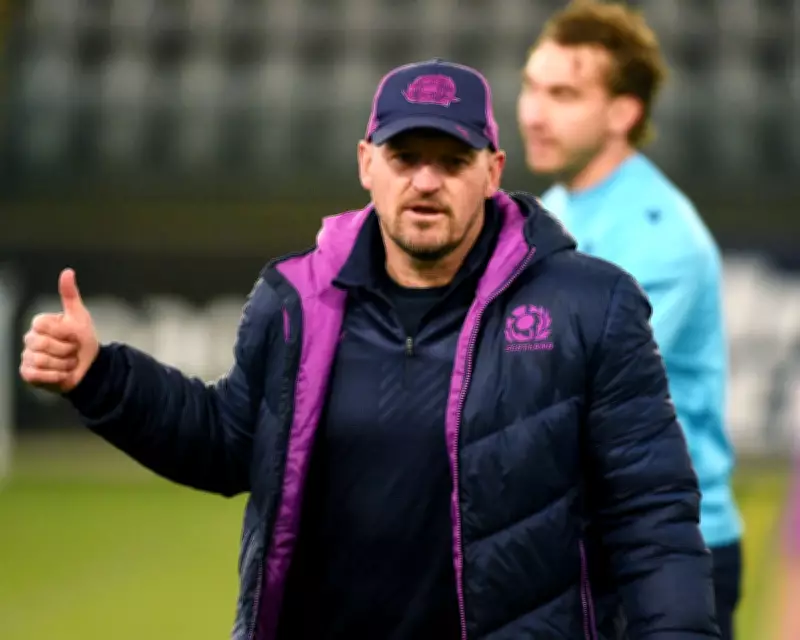
Scotland's Six Nations Journey: A Deep Dive into Gregor Townsend's Leadership
The Six Nations tournament continues to captivate rugby union fans across the UK, with Scotland's campaign under head coach Gregor Townsend drawing particular attention. As the competition unfolds, analysts and supporters alike are closely examining the team's performances, strategies, and overall direction under Townsend's stewardship.
Tactical Evolution and Team Dynamics
Gregor Townsend, a former Scotland international himself, has been at the helm of the national team for several years, bringing a mix of experience and innovation to the role. His coaching philosophy emphasises an attacking style of play, which has seen Scotland adopt a more expansive and dynamic approach on the field. This season, observers have noted subtle shifts in tactics, with a greater focus on set-piece dominance and defensive solidity alongside the traditional flair.
The squad selection has been a topic of discussion, with Townsend blending seasoned veterans with emerging talents. Key players like Finn Russell at fly-half have been instrumental in executing the game plan, but questions remain about consistency and depth in certain positions. Injuries and form fluctuations have tested the team's resilience, prompting Townsend to make adjustments in real-time during matches.

Performance Analysis in the Current Six Nations
In the ongoing Six Nations, Scotland has displayed moments of brilliance interspersed with periods of struggle. Their matches have highlighted both strengths, such as creative backline moves and aggressive breakdown work, and weaknesses, including handling errors and lapses in discipline. The breakdown area, in particular, has been a focal point, with Townsend's strategies around ruck speed and turnover opportunities being scrutinised by pundits.
Comparisons to previous campaigns reveal a team in transition, aiming to build on past successes while addressing recurring issues. The pressure of competing against traditional powerhouses like England and Ireland has pushed Townsend to refine his methods, with an emphasis on mental toughness and game management. Fans have expressed mixed reactions, with some praising the adventurous spirit and others calling for more pragmatic outcomes.
Future Prospects and Challenges Ahead
Looking ahead, Gregor Townsend faces several challenges as he guides Scotland through the remainder of the Six Nations and beyond. The development of younger players will be crucial for long-term sustainability, while maintaining competitive results in the short term. Townsend has spoken about the importance of learning from each match, using data and video analysis to fine-tune strategies.
In the broader context of rugby union, Scotland's journey under Townsend reflects wider trends in the sport, such as the increasing importance of fitness, technology, and tactical innovation. The coach's ability to adapt to these changes while staying true to Scotland's rugby identity will be key. As the Six Nations progresses, all eyes will be on how Townsend navigates the pressures of international rugby, with potential implications for his future and the team's trajectory in global competitions.
Ultimately, the breakdown of Scotland's Six Nations campaign under Gregor Townsend offers a compelling narrative of ambition, adaptation, and the relentless pursuit of excellence in rugby union. Whether this leads to silverware or serves as a building block for future success remains to be seen, but it undoubtedly adds to the rich tapestry of the sport in the UK.